 Written and reviewed by Dr. Vaishnavi Karmawat, B.V.Sc. & A.H., Registered Veterinary Practitioner
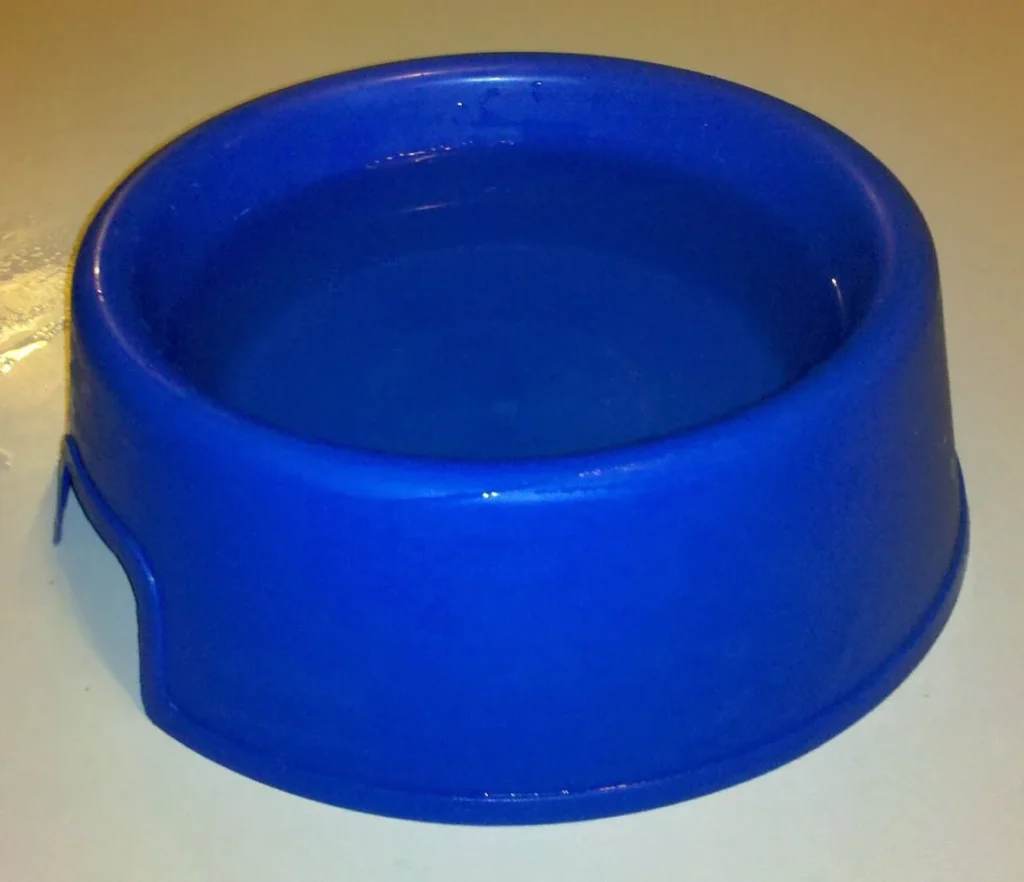
Quick answer: A healthy dog drinks roughly 50 to 60 ml of water per kg of body weight per day, so about 1 litre for a 20 kg dog, more in hot weather or after exercise. Drinking more than 100 ml per kg per day, emptying the bowl again and again, or needing to pee much more often is called polydipsia and polyuria (PU/PD) and is an early warning sign of diseases such as diabetes, kidney disease, Cushing’s disease, pyometra, liver disease and leptospirosis. Never restrict your dog’s water; instead, measure it and see your vet.
In this article
- An unspayed female drinking a lot 2 to 8 weeks after heat may have pyometra: see a vet the same day.
- Increased thirst with vomiting, dullness or not eating needs a vet the same day.
- Steroid tablets or injections commonly cause heavy thirst; ask your vet before stopping them.
- Bring a fresh urine sample to the appointment; it is one of the most useful tests.
How much water is normal?
| Dog’s weight | Typical daily intake (about 50 to 60 ml/kg) | Too much (more than 100 ml/kg) |
|---|---|---|
| 5 kg | 250 to 300 ml | More than 500 ml |
| 10 kg | 500 to 600 ml | More than 1 litre |
| 20 kg | 1 to 1.2 litres | More than 2 litres |
| 30 kg | 1.5 to 1.8 litres | More than 3 litres |
| 40 kg | 2 to 2.4 litres | More than 4 litres |
Dogs naturally drink more in Indian summers, after play, when nursing puppies or when fed only dry kibble. Dogs on wet or home-cooked food often drink less because their food contains water.
How to measure your dog’s water intake
- Use one measuring jug and one water bowl (pick up other bowls for a day).
- In the morning, pour a measured amount, for example 2 litres, into the bowl.
- Every time you top up, note how much you add.
- Next morning, measure what is left. Total added minus what is left is the daily intake.
- Repeat for 2 to 3 days and divide by your dog’s weight in kg.
Spills, other pets and drinking from buckets, toilets or puddles will affect the figure, so note those too. Write down how often your dog pees and whether there are accidents.
Normal reasons for drinking more
- Hot weather and high humidity
- Exercise, play, long walks
- A switch to dry food, or salty treats and leftovers
- Panting from excitement or stress
- Lactation (nursing puppies)
- Puppies, which naturally drink and pee more
These usually cause a modest, temporary increase that matches the situation.
Medical causes of excessive thirst
| Cause | Other clues |
|---|---|
| Diabetes mellitus | Big appetite yet weight loss, sweet or fruity breath, cataracts, tiredness |
| Chronic kidney disease | Older dog, weight loss, poor appetite, vomiting, bad breath, pale or dilute urine |
| Cushing’s disease | Pot belly, thin skin, hair loss on body, panting, big appetite; middle-aged to older small breeds |
| Pyometra (womb infection) | Unspayed female, 2 to 8 weeks after heat; dullness, poor appetite, vomiting, sometimes discharge |
| Leptospirosis | Monsoon, floodwater or rat urine exposure; fever, vomiting, yellow eyes, muscle pain |
| Liver disease | Jaundice, vomiting, weight loss, swollen belly |
| High blood calcium | Often linked to lymphoma (swollen lymph nodes), some poisons or parathyroid disease |
| Urinary tract infection | Frequent small pees, straining, accidents, smelly or pink urine |
| Medicines | Steroids (prednisolone, dexamethasone injections), phenobarbital, diuretics such as furosemide |
| Hypothyroidism or hyperthyroidism | Weight change, coat changes; hyperthyroidism mainly in older cats |
| Diabetes insipidus (rare) | Enormous volumes of water-clear urine; otherwise often well |
| Psychogenic polydipsia | Bored or anxious dogs that drink out of habit; diagnosed only after illness is ruled out |
| Dehydration from vomiting, diarrhoea, fever or heatstroke | Sudden onset with other illness signs |
India-specific points
- Salty home food: roti with salt, namkeen, papad, achar, salted biscuits and spicy curries raise thirst and can upset the stomach and kidneys.
- Steroid injections: dexamethasone and other steroids are often given for itching or “weakness”. They cause marked thirst, hunger and peeing for days to weeks, and repeated doses can trigger Cushing’s-like disease or diabetes.
- Unspayed females are common in India, so pyometra must always be considered.
- Summer heat: in 40°C+ weather, dogs need a lot more water, shade and cool rest; heavy panting with collapse is heatstroke, an emergency.
When to see a vet
- Same day: thirst with vomiting, diarrhoea, not eating, dullness, weakness, yellow eyes, belly swelling, or in an unspayed female after heat
- Emergency: collapse, heavy panting with very red or pale gums, seizures, straining without passing urine
- Within a week: increased thirst in a dog that otherwise seems well; bring your measurements and a urine sample
How vets find the cause
- Urinalysis: urine concentration (specific gravity), sugar, protein, infection, crystals
- Blood tests: glucose, kidney values (urea, creatinine, SDMA), liver enzymes, calcium, electrolytes, blood count
- Urine culture if infection is suspected
- Ultrasound and X-rays: uterus, kidneys, liver, adrenal glands, bladder stones
- ACTH stimulation or low-dose dexamethasone test for Cushing’s disease
- Thyroid tests
- Leptospirosis tests during the monsoon
- A carefully supervised water-deprivation test, only in hospital, for suspected diabetes insipidus or psychogenic drinking
Treatment depends entirely on the cause: insulin for diabetes, kidney diet and support for kidney disease, surgery for pyometra, antibiotics and fluids for leptospirosis, medicines for Cushing’s disease, or adjusting the dose of steroids.
Why you should never restrict water
It is tempting to remove the bowl to reduce peeing, but a dog with kidney disease, diabetes or Cushing’s disease is drinking more because it is losing more water in urine. Taking water away can cause rapid dehydration, kidney damage and collapse. Instead, offer more toilet breaks, use washable pads indoors, and treat the cause.
Thirst at night
Drinking more at night can come from all the causes above, and also from salty dinners, long hours without water during the day, warm rooms, or cognitive decline in senior dogs. Keep water available, feed less salty food, and mention night-time thirst to your vet.
Drinking a lot and vomiting
Dogs with an upset stomach often gulp water and then vomit it. Offer small sips every 15 to 30 minutes instead of a full bowl, and see a vet if vomiting continues, there is blood, or your dog is dull. See our vomit colour guide and dehydration check.
Cats
Cats normally drink little. A cat that suddenly drinks a lot or fills the litter box with large clumps may have kidney disease, diabetes or, in seniors, hyperthyroidism. See your vet promptly.
Frequently asked questions
Is it bad if my dog drinks a lot of water?
Not always: heat and exercise raise thirst. But a lasting increase without an obvious reason is often an early sign of illness and is worth a urine and blood test.
Why is my old dog drinking so much water?
In senior dogs, kidney disease, diabetes and Cushing’s disease are the most common causes. Early diagnosis makes treatment easier.
Can food make my dog drink more?
Yes. Dry kibble, salty treats and leftovers increase thirst. Wet food decreases it.
My dog is drinking a lot after a steroid injection. Is that normal?
Yes, it is a common side effect and usually settles once the drug wears off. Tell your vet if it continues or your dog seems unwell.
Should I bring a urine sample?
Yes. A fresh first-morning sample in a clean container, brought within 1 to 2 hours, is very helpful.
This article is for education and does not replace a veterinary examination. If your dog is drinking much more than usual and seems unwell, see a vet the same day.
References
- Grzyb K. Why Is My Dog Drinking a Lot of Water? PetMD, updated 2023.
- Merck Veterinary Manual. Polyuria and polydipsia in small animals.
- Ettinger SJ, Feldman EC, Côté E. Textbook of Veterinary Internal Medicine. Elsevier.
More on Dog Symptoms and What They Mean
Anaemia in Dogs and Cats: Pale Gums, Tick Fever, Hookworms and IMHA, Reading the Hb and PCV Report, and Why Iron Tonics Are Not Enough
Pale gums or weakness in your dog? Causes of anaemia in India like tick fever, worms and rat poison, tests, treatment and…
UTI in Dogs: Signs, Urine Tests, Right Antibiotics and Why Chemist Norflox or Cipro Can Backfire
Dog peeing often or with blood? Signs of urinary infection, urine culture, antibiotics, why UTIs recur, and when straining is an emergency.