 Written and reviewed by Dr. Vaishnavi Karmawat, B.V.Sc. & A.H., Registered Veterinary Practitioner

Your dog was fine yesterday, and today the back legs are wobbly, or your dog is limping on one leg and then on another. Ticks are a common and often overlooked cause of both problems. In India, the brown dog tick is everywhere, and tick-borne illness is one of the most frequent reasons dogs see a vet.
In this article
This guide covers two tick-related conditions: tick paralysis, where a toxin in tick saliva causes rapidly spreading weakness, and Lyme disease, a bacterial infection that causes shifting-leg lameness and, in some dogs, kidney damage. It also explains how they differ from the tick fevers more common in India, and how to remove ticks safely.
Key Takeaways
- Tick paralysis is caused by a nerve toxin in the saliva of some feeding female ticks. It starts as back-leg weakness and can spread within 1 to 3 days to the front legs, voice, swallowing and breathing.
- Removing every tick usually leads to rapid improvement, often within 24 to 72 hours, but dogs with breathing difficulty need emergency hospital care.
- Lyme disease is caused by Borrelia burgdorferi bacteria. Most exposed dogs never get sick; those that do develop fever and lameness that shifts from leg to leg, and a small number develop serious kidney disease.
- In India, Lyme disease is uncommon, and tick fevers such as ehrlichiosis and babesiosis are far more frequent causes of lameness, fever and low platelets. The same blood tests screen for all of them.
- Year-round tick prevention and daily tick checks are the best protection.
Part 1: Tick Paralysis in Dogs
What is tick paralysis?
Tick paralysis is a sudden, spreading weakness caused by a neurotoxin in the saliva of certain ticks, almost always an engorging adult female. The toxin blocks the release of acetylcholine, the chemical messenger that tells muscles to contract, at the junctions between nerves and muscles. The result is “floppy” (flaccid) paralysis that typically starts in the back legs and climbs forwards.
A tick usually needs to be attached and feeding for at least 3 days before signs appear, which is why daily tick checks prevent most cases. Tick paralysis is most common in North America and Australia, and it is reported less often in India, but several tick species can produce paralysing toxins.
Symptoms of tick paralysis
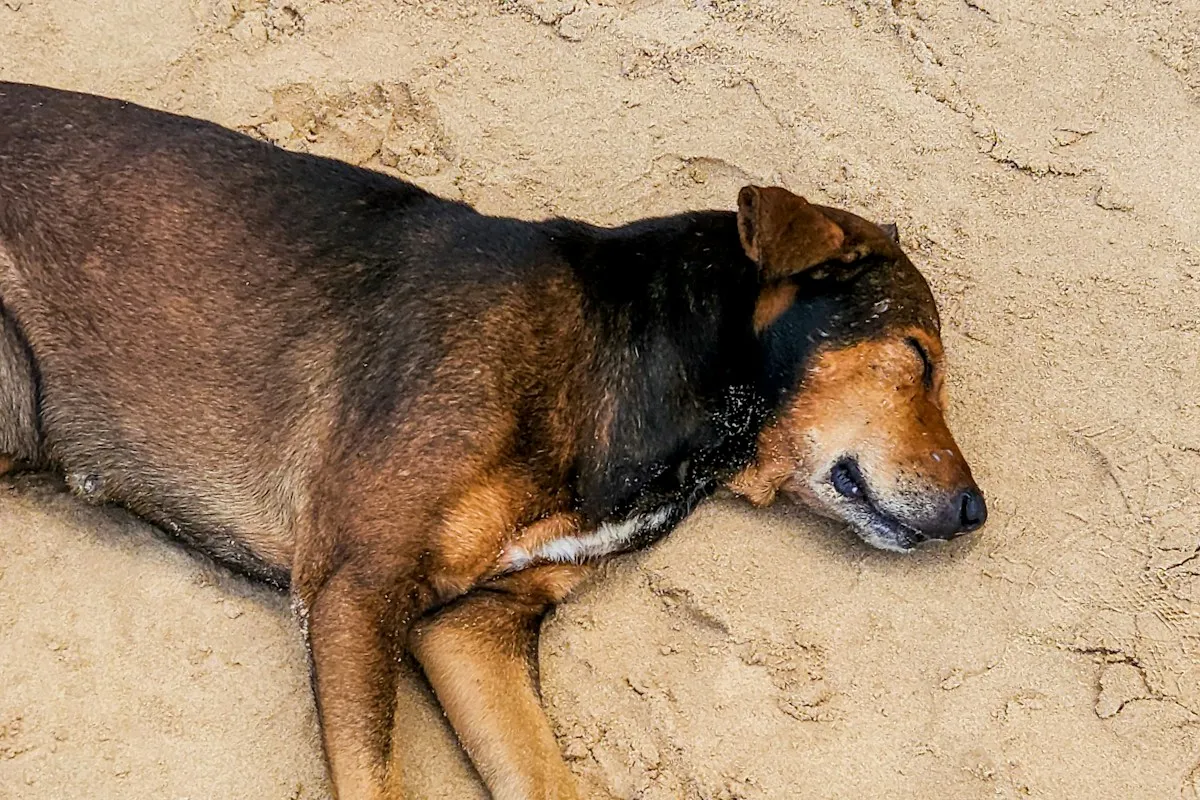
- Wobbly, weak back legs and a change in the way your dog walks
- Weakness spreading to the front legs over 24 to 72 hours, then inability to stand
- A changed, weak or hoarse bark
- Gagging, retching, regurgitating food or difficulty swallowing (the food pipe can become paralysed and widened, a condition called megaoesophagus)
- Drooping face and lips, dilated pupils
- Laboured, shallow or fast breathing
- Loss of bladder or bowel control
The dog usually stays alert and aware, and is not in obvious pain. Breathing difficulty is a life-threatening emergency, because the toxin can paralyse the muscles used for breathing. Dogs that regurgitate are also at risk of inhaling food and developing pneumonia.
What else can cause sudden back-leg weakness?
| Condition | Clues |
|---|---|
| Tick paralysis | Ticks found, alert dog, no pain, weakness spreading forwards over 1–3 days |
| Slipped disc (IVDD) | Back or neck pain, often in Dachshunds, Beagles, Shih Tzus; may follow a jump |
| Krait or cobra bite | Often at night; drooping eyelids, drooling, breathing trouble; may not see a bite mark |
| Tick fever (ehrlichiosis, babesiosis) | Fever, pale gums, bleeding, low platelets, weakness rather than true paralysis |
| Spinal stroke (fibrocartilaginous embolism) | Sudden onset during exercise, often one side worse, not painful after the first hours |
| Botulism | After eating rotten carcass or food; spreading weakness similar to tick paralysis |
Because several of these are emergencies, any dog that suddenly cannot use its back legs should see a vet the same day.
Diagnosis and treatment
There is no single test for tick paralysis. Vets diagnose it from the pattern of weakness, reduced reflexes and, crucially, finding a tick. They search the whole body carefully, including inside and behind the ears, between the toes, under the collar, around the lips and eyes, in the armpits and groin, and under the tail. Sometimes only a small red crater shows where a tick has already dropped off.
- Removing all ticks is the key treatment. Once the toxin source is gone, most dogs improve quickly.
- A fast-acting tick-killing medicine (such as an isoxazoline chew or spot-on) is given to kill any ticks that were missed.
- Hospital care may include oxygen, IV fluids, anti-nausea medicine, bladder care and keeping the dog warm.
- Nothing should be given by mouth to a dog that cannot swallow properly.
- Dogs with severe breathing paralysis may need a breathing tube and ventilation.
Most dogs recover fully within 1 to 3 days of tick removal when treated early. Give your dog a quiet, comfortable place to recover and avoid exercise until your vet says otherwise.
How To Remove a Tick From Your Dog Safely
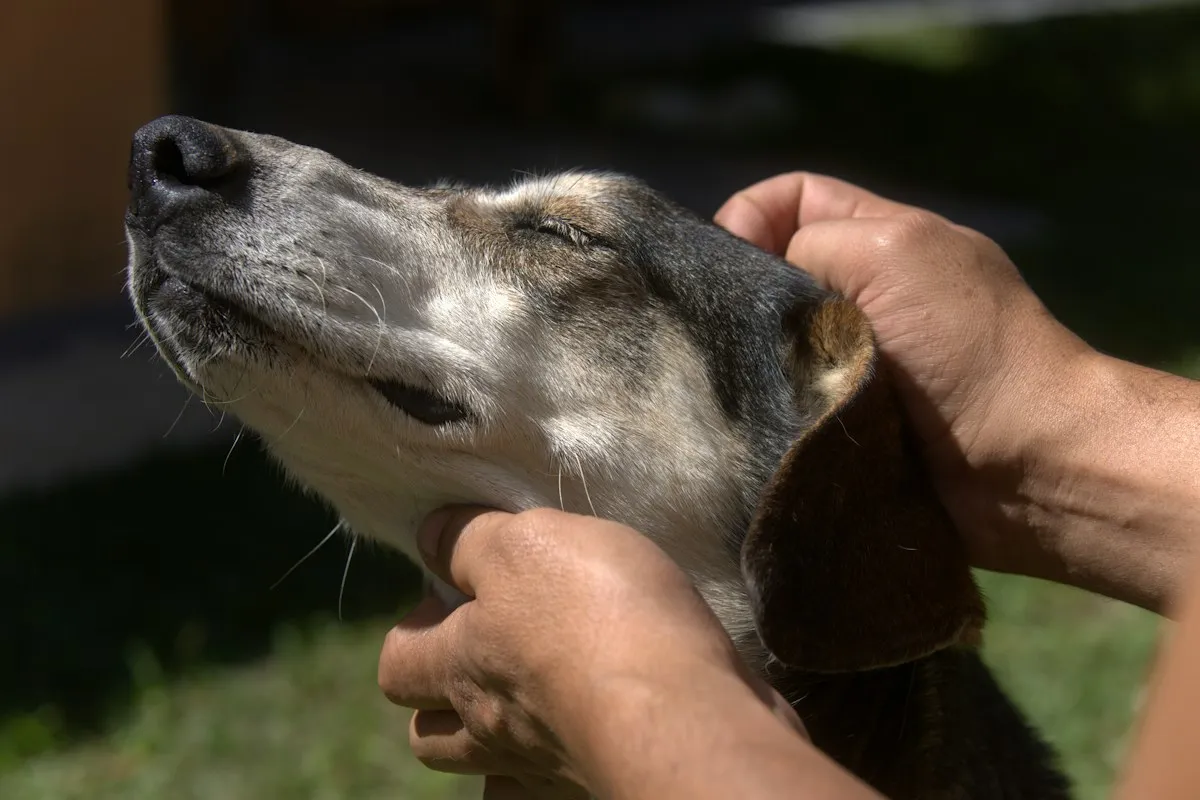
- Use fine-tipped tweezers or a tick-removal hook. Wear gloves if you can.
- Part the fur and grasp the tick as close to your dog’s skin as possible, by its head and mouthparts, not its swollen body.
- Pull straight out with slow, steady pressure. If using a hook, slide it under the tick and twist gently as the instructions describe.
- Do not squeeze the body, burn the tick, or cover it with oil, kerosene, nail polish or alcohol. These can make the tick inject more saliva.
- Clean the bite with an antiseptic and wash your hands.
- Drop the tick in alcohol or seal it in tape so you can show your vet. Never crush ticks with bare fingers.
- Check the rest of your dog’s body: where there is one tick, there are usually more.
A small bump may remain for a few days. If it grows, oozes or your dog becomes unwell, see your vet.
Part 2: Lyme Disease in Dogs
What is Lyme disease?
Lyme disease (borreliosis) is a bacterial infection caused by Borrelia burgdorferi, transmitted by Ixodes (“deer” or blacklegged) ticks. The tick must usually be attached for 24 to 48 hours to transmit the bacteria. Lyme disease is very common in parts of North America and Europe. In India, it is uncommon in dogs, with occasional reports from hilly and forested regions where Ixodes ticks live, so it is mostly a concern for dogs that live in or travel to those areas.
Symptoms of Lyme disease
About 90 to 95 percent of exposed dogs never show signs. When signs appear, usually 2 to 5 months after the tick bite, they include:
- Shifting-leg lameness: limping that moves from one leg to another, caused by inflamed joints (polyarthritis)
- Warm, swollen, painful joints and a stiff, “walking on eggshells” gait
- Fever, dullness and poor appetite
- Enlarged lymph nodes
Lyme nephritis: the serious kidney form
In a small number of dogs (roughly 1 to 2 percent of infected dogs), the immune reaction damages the filters of the kidneys (glomerulonephritis). Labradors, Golden Retrievers and Shetland Sheepdogs are over-represented. Signs include vomiting, weight loss, increased thirst and urination, and fluid swelling of the legs or belly. Protein leaks into the urine, and kidney failure can progress quickly. This form is serious and needs intensive treatment.
Diagnosis
- SNAP 4Dx Plus test: a quick in-clinic blood test that detects antibodies to Lyme (the C6 peptide) and also screens for Ehrlichia, Anaplasma and heartworm, all common in India. Lyme vaccination does not interfere with the C6 result.
- Quantitative C6 antibody test to guide treatment decisions
- Urine protein:creatinine ratio (UPC) to check for kidney protein loss in every dog that tests positive
- Blood tests, joint fluid analysis and PCR when needed
A positive antibody test means exposure, not necessarily disease. Your vet will decide whether to treat based on symptoms and urine protein results.
Treatment
Lyme disease is treated with doxycycline for about 4 weeks (28 to 30 days). Dogs with lameness often feel much better within 1 to 2 days. Amoxicillin is an alternative for dogs that cannot take doxycycline. Pain relief may be added. Dogs with Lyme nephritis need hospital care and longer-term kidney treatment, including medicines to reduce protein loss, blood pressure control, a kidney diet and sometimes immune-suppressing drugs. Read more about kidney disease in dogs.
Is Lyme disease contagious?
No. Dogs do not pass Lyme disease to people or other dogs directly. But a dog that brings infected ticks home can expose the family to the same ticks.
Shifting Lameness in India: Think Tick Fever Too
In India, a dog with fever, joint pain and limping that moves between legs is more likely to have a tick-borne infection such as ehrlichiosis or anaplasmosis, which can cause immune-mediated joint inflammation, along with low platelets, bleeding and anaemia. These are treated with doxycycline too, but they need different monitoring. See our detailed guide to tick fever in dogs.
How To Prevent Tick Paralysis and Lyme Disease
- Use a vet-recommended tick preventive all year round: oral chews (isoxazolines such as fluralaner, afoxolaner, sarolaner or lotilaner), spot-ons or tick collars. In India’s warm climate, ticks are active almost all year.
- Check your dog daily, especially after walks in grass, bushes or farms. Run your fingers over the whole body and look inside ears, between toes and under the collar.
- Remove ticks promptly. Because paralysis needs about 3 days of attachment and Lyme transmission needs 1 to 2 days, early removal prevents most disease.
- Keep grass short and clear bushes around your home and kennel. Treat the environment and kennel walls, where brown dog ticks lay eggs, if your vet advises.
- Treat all dogs in the household at the same time.
See our complete flea and tick prevention guide for India.
Frequently Asked Questions
How quickly does tick paralysis develop?
Signs usually start after a tick has been feeding for at least 3 days, then worsen over 24 to 72 hours if the tick is not removed.
Can a dog recover from tick paralysis?
Yes. Most dogs recover completely once all ticks are removed, especially if treated before breathing is affected.
Can cats get tick paralysis?
Cats can be affected, but less often than dogs. Never use dog tick products on cats unless the label says they are safe for cats; some, especially those containing permethrin, are toxic to cats.
Is there a Lyme vaccine for dogs in India?
Lyme vaccines are used in high-risk regions abroad. Because Lyme disease is uncommon in India, they are rarely needed here; tick prevention is the priority.
My dog has a tick but seems fine. Should I worry?
Remove it properly and watch your dog for 2 to 3 weeks for fever, lethargy, poor appetite, limping or weakness. Start a regular tick preventive to stop the next one.
This article is for education and does not replace veterinary advice. Sudden weakness or breathing difficulty is an emergency; take your dog to a vet immediately.
Related Articles
- Senior Dog Drinking Too Much Water and Peeing a Lot? Diabetes, Cushing’s and Steroid Side Effects
- Dog Bad Breath, Tartar and Bleeding Gums: 4 Stages of Dental Disease and Daily Brushing Guide
- Dog Ear Infection (Otitis): Yeast vs Bacteria, Ear Mites, Treatment and Safe Cleaning
- Distemper in Dogs and Puppies: Symptoms, Stages, Treatment and DHPPi Vaccine
References
- Kleszynski B. Tick Paralysis in Dogs. PetMD, 2024.
- Kleszynski B. Lyme Disease in Dogs. PetMD, 2024.
- Littman MP, et al. ACVIM consensus update on Lyme borreliosis in dogs and cats. Journal of Veterinary Internal Medicine, 2018;32(3):887–903.
- Malik R, Farrow BRH. Tick paralysis in North America and Australia. Veterinary Clinics of North America: Small Animal Practice, 1991;21(1):157–171.
- Tropical Council for Companion Animal Parasites (TroCCAP). Guidelines for the diagnosis, treatment and control of canine endoparasites and ectoparasites in the tropics.
- Merck Veterinary Manual. Tick Paralysis; Lyme Disease in Dogs.
More on Dog Diseases and Infections

Anaemia in Dogs and Cats: Pale Gums, Tick Fever, Hookworms and IMHA, Reading the Hb and PCV Report, and Why Iron Tonics Are Not Enough
Pale gums or weakness in your dog? Causes of anaemia in India like tick fever, worms and rat poison, tests, treatment and…
Liver Disease in Dogs: Yellow Eyes, High SGPT and ALP Explained, Indian Toxins That Destroy the Liver, and What to Feed
Yellow gums, vomiting or high liver values? Causes in India, tests, treatment, liver-friendly diet and what raised ALT really means.