 Written and reviewed by Dr. Vaishnavi Karmawat, B.V.Sc. & A.H., Registered Veterinary Practitioner

Short answer: gabapentin and trazodone are human medicines that vets commonly prescribe “off-label” for dogs and cats. Gabapentin is used for nerve and arthritis pain, some seizures, and to calm pets before vet visits. Trazodone is used for situational anxiety: firecrackers, travel, grooming, vet visits and strict rest after surgery. They are often combined, and are generally safe at vet-prescribed doses. But human liquid gabapentin may contain xylitol, which is poisonous to dogs, and human sleeping pills or anti-anxiety drugs from the family medicine box should never be given to pets.
In this article
- Gabapentin for dogs and cats
- Trazodone for dogs
- Using gabapentin and trazodone together
- Medicines to never give at home
- Behaviour plans matter as much as medicine
- How vets use these medicines for stress-free vet visits
- Other medicines your vet may consider
- Frequently asked questions
- When to call a vet
- Related Articles
- References
Key takeaways
- Gabapentin calms over-excited nerve signalling, so it eases chronic and nerve pain and reduces fear. The main side effects are sleepiness and wobbliness.
- Trazodone increases serotonin activity in the brain to reduce anxiety. It starts working in 1–2 hours and is used before predictable stressful events.
- Doses depend on body weight, kidney function and the reason for use. Your vet will usually trial a dose at home before the big day.
- Do not combine these with other serotonin-affecting drugs (some antidepressants, tramadol, amitraz collars or dips) without vet advice. Stopping long-term gabapentin suddenly can trigger seizures in epileptic pets.
Gabapentin for dogs and cats
How it works
Gabapentin binds to a subunit (α2δ) of calcium channels on nerve cells and reduces the release of excitatory chemical messengers. This dampens abnormal pain signalling (neuropathic pain) and has a calming effect. It does not reduce inflammation, so it is often combined with other pain relief.
Common uses
- Chronic pain: osteoarthritis, spinal and disc disease (IVDD), nerve pain after injury or amputation, cancer pain
- Add-on treatment for seizures that are not controlled by first-line drugs
- Pre-visit sedation for fearful or aggressive cats and dogs (given 1–2 hours before the appointment)
- Post-surgical pain as part of a multimodal plan
Typical doses (reference only)
| Use | Dogs | Cats |
|---|---|---|
| Chronic or nerve pain | About 5–10 mg/kg by mouth every 8–12 hours; vets may increase gradually | About 5–10 mg/kg every 12 hours |
| Pre-visit anxiety or sedation | About 20–30 mg/kg once, 1–2 hours before the visit (often with trazodone) | Commonly 50–100 mg per cat once, 1–2 hours before travel |
| Seizures (add-on) | About 10–20 mg/kg every 8 hours | Vet use |
Lower doses are used in pets with kidney disease, because gabapentin is cleared by the kidneys.
Side effects and cautions
- Sleepiness and wobbliness (ataxia), most noticeable in the first days; usually improves
- Mild vomiting or diarrhoea
- Avoid human oral solutions containing xylitol for dogs; use capsules or tablets, or a vet-compounded liquid
- Do not stop suddenly after long-term use; taper over 1–2 weeks
- Antacids reduce absorption; give gabapentin 2 hours apart
Trazodone for dogs
How it works
Trazodone is a serotonin antagonist and reuptake inhibitor (SARI). It increases serotonin signalling while blocking certain serotonin receptors, giving a calming, mildly sedating effect without heavy sedation. It is also used in cats, at lower doses and more cautiously.
Common uses
- Noise fear: Diwali firecrackers, thunderstorms, wedding bands
- Car travel, vet and grooming visits, boarding
- Keeping dogs calm during crate or cage rest after orthopaedic or spinal surgery
- As an add-on to long-term behaviour medication for separation anxiety. See separation anxiety in dogs.
Typical doses (reference only)
Commonly about 3–7 mg/kg by mouth, 1–2 hours before the event, repeated every 8–12 hours as needed. Vets usually start low and adjust after a trial at home. For long-term daily use it is started at a low dose and increased over 1–2 weeks.
Side effects and cautions
- Sleepiness, wobbliness; sometimes paradoxical excitement or agitation
- Vomiting, especially on an empty stomach (give with a little food)
- Serotonin syndrome if combined with fluoxetine, clomipramine, tramadol, selegiline or amitraz: agitation, tremors, high temperature, fast heart rate. This is an emergency.
- Caution in heart, liver and kidney disease, and in glaucoma
Using gabapentin and trazodone together
The combination, sometimes called a “chill protocol” with other pre-visit medicines, is widely used to make vet visits less stressful for fearful dogs. The two drugs act differently and complement each other. Your vet will give exact timings, usually the night before and again 1–2 hours before the visit.
Medicines to never give at home
| Human medicine | Why it is dangerous for pets |
|---|---|
| Alprazolam, clonazepam, diazepam and similar sleeping or anxiety pills | Dosing is very different; can cause excitement or deep sedation; diazepam by mouth can cause liver failure in cats |
| Zolpidem and other sleeping tablets | Agitation, wobbliness, vomiting in dogs |
| Antidepressants (fluoxetine, sertraline, escitalopram, amitriptyline) | Serotonin syndrome, seizures and heart effects in overdose; only under vet prescription |
| Cough syrups and “sleep” syrups | Combination products with dextromethorphan, codeine, decongestants or alcohol |
| Painkillers (paracetamol, ibuprofen, diclofenac, nimesulide) | Liver, kidney and stomach damage. See paracetamol and pets |
Behaviour plans matter as much as medicine
Medicines work best with behaviour support: a safe den, white noise and curtains during firecrackers, gradual desensitisation to car travel and vet handling, rewarding calm behaviour, and avoiding punishment. Read our Diwali firecracker guide for a festival plan.
How vets use these medicines for stress-free vet visits
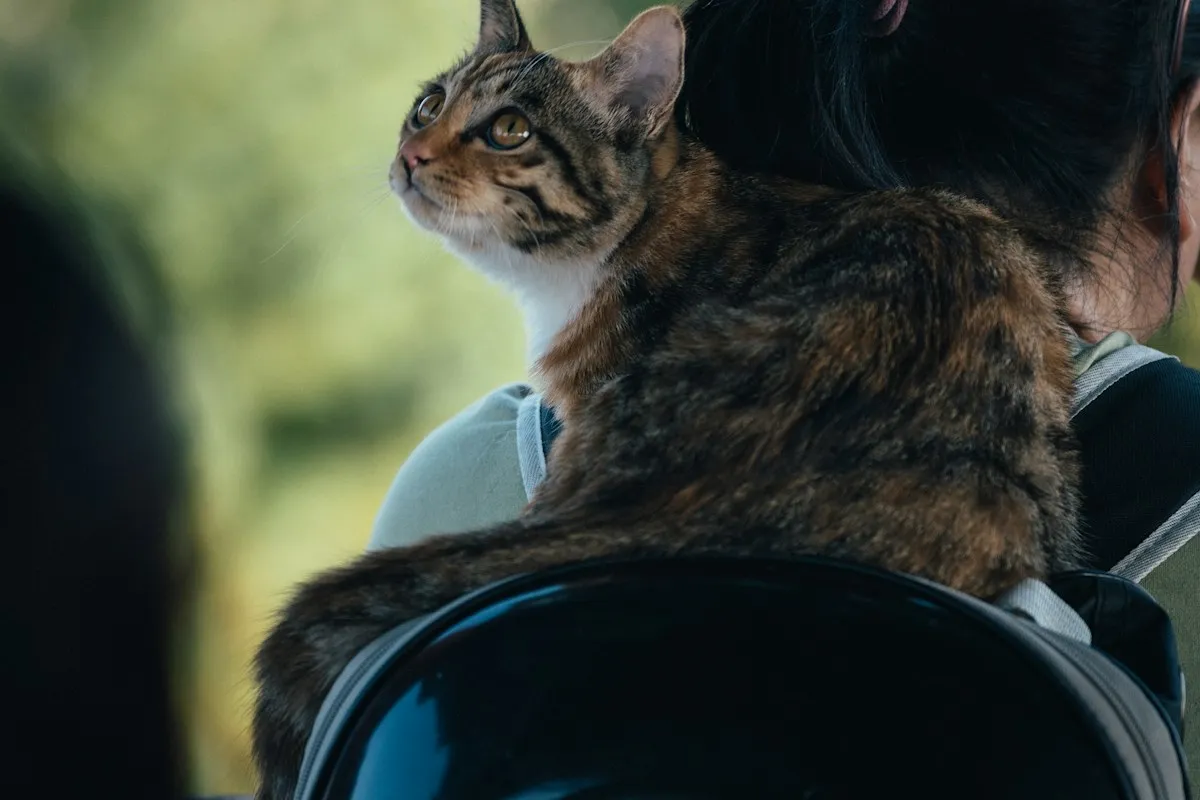
Many dogs and cats are so frightened at the clinic that examinations become unsafe and stressful for everyone. Vets increasingly use pre-visit medication together with gentle handling.
- A single dose of gabapentin (cats and dogs) or trazodone (dogs), given at home about 1.5 to 2 hours before the visit, often makes the pet calmer and easier to examine.
- Your vet will usually suggest a trial dose at home first, on a day with no appointment, to see how your pet responds.
- Combine medicine with practical steps: carrier training for cats, a towel over the carrier, a quiet waiting area, treats, and booking the first or last appointment of the day.
- Tell the clinic that your pet has had medicine, because it can affect sedation and anaesthesia plans.
Other medicines your vet may consider
| Medicine | Type | Typical use |
|---|---|---|
| Fluoxetine | Selective serotonin reuptake inhibitor (SSRI), daily | Long-term anxiety, separation anxiety, compulsive behaviours; takes 4 to 6 weeks for full effect |
| Clomipramine | Tricyclic antidepressant, daily | Separation anxiety in dogs; some compulsive disorders |
| Dexmedetomidine oromucosal gel | Sedative applied to the gums | Noise fears such as fireworks and thunder (licensed in some countries) |
| Alprazolam | Benzodiazepine | Short-term panic, such as storms or fireworks, under close supervision |
| Pheromone diffusers and calming diets | Non-drug support | Mild anxiety; best combined with behaviour training |
None of these should be combined or started without a vet, because several act on serotonin and can interact dangerously. Medicines work best as part of a behaviour plan, which you can read more about in our guide to dog separation anxiety.
Frequently asked questions
How long does gabapentin take to work in dogs?
About 1–2 hours for sedation and anxiety. For chronic pain, the full benefit may take 1–2 weeks of regular dosing.
Can I use my own gabapentin capsules for my dog?
Only if your vet prescribes it and confirms the strength. Capsules (100 or 300 mg) are often used for dogs, but the dose must be calculated for your dog’s weight and kidney function. Never use liquid formulations containing xylitol.
Will trazodone make my dog dopey all day?
At typical doses most dogs are relaxed but still responsive. If your dog is very sedated, wobbly or agitated, tell your vet; the dose can be adjusted.
Is gabapentin safe for older dogs with arthritis?
Generally yes, and it is commonly used in seniors. Kidney function should be checked, and it is often combined with a vet NSAID, joint diets and physiotherapy.
Can I give trazodone only on Diwali night?
Yes, situational use is common. Do a trial dose a few days before so you know how your dog responds, and give it 1–2 hours before the noise starts.
When to call a vet
Call your vet before starting, stopping or changing any of these medicines. Go immediately for tremors, very high temperature, agitation, collapse, or if your pet swallowed someone’s human medicines.
Related Articles
- Cetirizine, Avil and Benadryl for Dogs: Uses, Doses and Safety (India)
- Senior Dog Drinking Too Much Water and Peeing a Lot? Diabetes, Cushing’s and Steroid Side Effects
- Puppy and Kitten Vaccination Schedule in India: Chart, Core vs Non-core Vaccines, Brands, Boosters and Side Effects
- Why Do Dogs Eat Grass, Mud, Stones or Wall Plaster? Pica, Worms, Anaemia and Safe Fixes
References
- Plumb DC. Plumb’s Veterinary Drug Handbook, 10th ed.: gabapentin and trazodone monographs.
- Kruszka TA, et al. Effects of gabapentin and trazodone on anxiety during veterinary visits. J Am Vet Med Assoc.
- Gilbert-Gregory SE, et al. Effects of trazodone on behavioral signs of stress in hospitalized dogs. J Am Vet Med Assoc 2016;249:1281–1291.
- van Haaften KA, et al. Effects of a single preappointment dose of gabapentin on signs of stress in cats during transportation and veterinary examination. J Am Vet Med Assoc 2017;251:1175–1181.
- Epstein M, et al. 2015 AAHA/AAFP Pain Management Guidelines for Dogs and Cats.
- Stevens BJ, Frantz EM, Orlando JM, et al. Efficacy of a single dose of trazodone hydrochloride given to cats prior to veterinary visits to reduce signs of transport- and examination-related anxiety. Journal of the American Veterinary Medical Association. 2016;249(2):202-207.
- van Haaften KA, Forsythe LRE, Stelow EA, Bain MJ. Effects of a single preappointment dose of gabapentin on signs of stress in cats during transportation and veterinary examination. Journal of the American Veterinary Medical Association. 2017;251(10):1175-1181.
More on Dog Behaviour and Training
Car Sickness in Dogs and Puppies: Signs, Training Tips and Safe Medicines (Dramamine, Meclizine and Cerenia)
Why dogs get car sick, motion sickness vs travel anxiety, feeding and training tips, and which travel sickness medicines are safe for…
Why Do Dogs Eat Grass, Mud, Stones or Wall Plaster? Pica, Worms, Anaemia and Safe Fixes
Why do dogs eat grass, mud or wall plaster? Pica and its links to anaemia, worms and diet, the risks, tests and…