 Written and reviewed by Dr. Vaishnavi Karmawat, B.V.Sc. & A.H., Registered Veterinary Practitioner
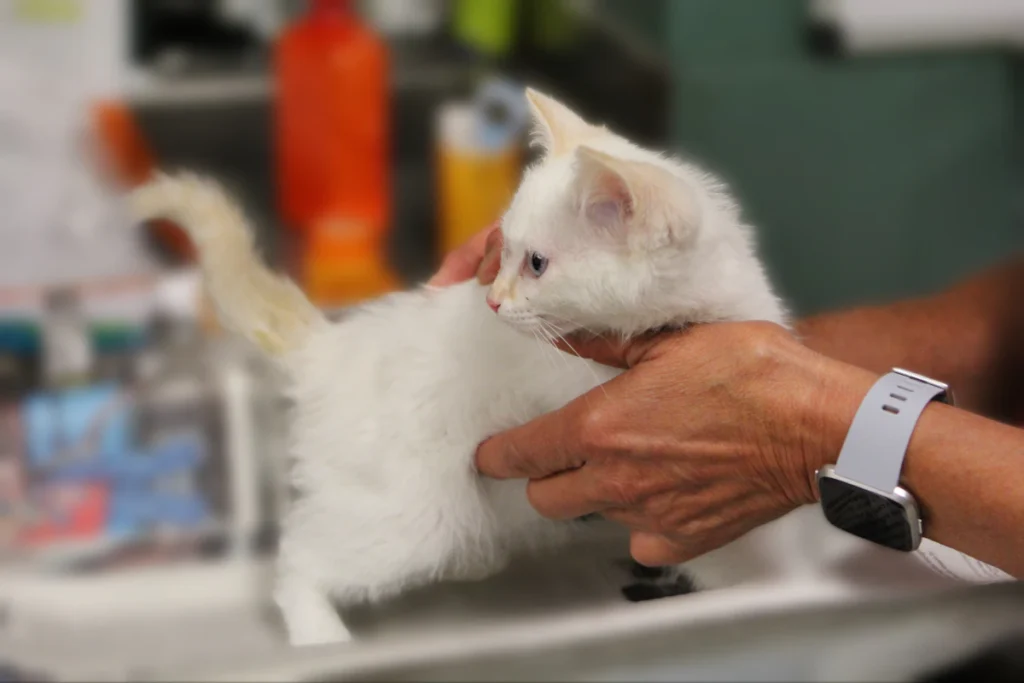
Short answer: feline panleukopenia (“cat parvo” or feline distemper) is a highly contagious virus that causes severe vomiting, diarrhoea, fever and a crash in white blood cells, and it kills many unvaccinated kittens. FeLV (feline leukaemia virus) and FIV (feline immunodeficiency virus) are lifelong viral infections that weaken immunity and can cause anaemia and cancer. Panleukopenia is prevented by core vaccination. FeLV and FIV are prevented by testing, keeping cats indoors, neutering, and FeLV vaccination for at-risk cats.
In this article
- Feline panleukopenia (cat parvo)
- Feline leukaemia virus (FeLV)
- Feline immunodeficiency virus (FIV)
- Testing for FeLV and FIV
- Prevention: vaccination and lifestyle
- Panleukopenia during pregnancy and in very young kittens
- Living with an FIV- or FeLV-positive cat
- Frequently asked questions
- When to call a vet
- Related Articles
- References
Key takeaways
- Panleukopenia is a parvovirus that survives for up to a year in the environment and is not killed by most household cleaners. Diluted bleach is needed.
- Kittens aged 2–6 months and unvaccinated rescued kittens are at highest risk. Sudden death can happen within 24–48 hours of the first signs.
- FeLV spreads through saliva (shared bowls, grooming) and from mother to kittens. FIV spreads mainly through deep bite wounds, often between unneutered male cats.
- Every new cat or rescued kitten should be tested for FeLV and FIV (a quick in-clinic blood test) and vaccinated against panleukopenia, herpesvirus and calicivirus.
Feline panleukopenia (cat parvo)
What it is
Panleukopenia is caused by feline parvovirus (FPV), closely related to dog parvovirus (some canine parvovirus strains can also infect cats). Like dog parvo, it attacks rapidly dividing cells: the intestinal lining, bone marrow (destroying white blood cells, hence “pan-leuko-penia”, a shortage of all white cells) and lymph tissue. In pregnant cats it infects unborn kittens, and in very young kittens it damages the developing brain.
How cats catch it
- Contact with infected cats’ faeces, vomit, saliva or urine
- Contaminated litter trays, bowls, bedding, cages, hands, clothes and shoes. The virus survives for many months.
- From mother to kittens before birth
Signs (usually 3–7 days after exposure)
- Sudden fever, deep lethargy, hiding
- Not eating; crouching over the water bowl without drinking
- Repeated vomiting (often frothy, yellow or bile-stained)
- Watery or bloody diarrhoea (may start later)
- Severe dehydration; painful abdomen
- Low body temperature and collapse in late stages
- Sudden death in young kittens, sometimes before obvious signs
- Kittens infected in the womb or early life: cerebellar hypoplasia, meaning wobbly, high-stepping walking and head tremors that do not worsen with age (affected cats can live normal lives indoors)
Diagnosis
- Faecal antigen test: the canine parvovirus SNAP test often detects FPV and is widely used. Recent vaccination can cause a weak false positive.
- CBC: very low white blood cell count (leukopenia) strongly supports the diagnosis.
- PCR on faeces or blood for confirmation.
Treatment
There is no antiviral cure. Intensive supportive care gives the immune system time to recover:
- Hospitalisation in isolation, with IV fluids and electrolyte correction (potassium, glucose)
- Anti-vomiting drugs (maropitant, ondansetron)
- Broad-spectrum injectable antibiotics, because gut bacteria cross into the blood while white cells are low
- Nutritional support, including feeding tubes
- Plasma or whole-blood transfusions in some cases; feline interferon where available
Survival is much better with early, aggressive treatment, but mortality in young kittens remains high, especially with very low white cell counts or low body temperature. Cats that recover develop long-lasting immunity.
Disinfection after a panleukopenia case
- Use household bleach (sodium hypochlorite, about 5%) diluted 1:32 (about 30 ml of bleach in 1 litre of water), with at least 10 minutes of contact time on cleaned, non-porous surfaces. Prepare it fresh daily.
- Wash bedding in hot water or discard it; throw away litter and cardboard items.
- Accelerated hydrogen peroxide and potassium peroxymonosulfate disinfectants are also effective.
- Do not bring new unvaccinated kittens into the home for several months, and ideally not until they are fully vaccinated.
Feline leukaemia virus (FeLV)
How it spreads
FeLV is a retrovirus shed mainly in saliva. It spreads through mutual grooming, shared food and water bowls, litter trays, bites, and from mother to kittens. Kittens are far more susceptible than adult cats.
What happens after infection
| Outcome | What it means |
|---|---|
| Abortive | The immune system clears the virus completely |
| Regressive | Virus is controlled but its DNA stays in the body; the cat usually stays healthy and is not infectious, but it can reactivate under stress or steroid treatment |
| Progressive | Ongoing infection with shedding; most of these cats develop FeLV-related disease within a few years |
Diseases caused by FeLV
- Severe anaemia (non-regenerative, from bone marrow suppression)
- Lymphoma and leukaemia: FeLV-positive cats have a much higher cancer risk
- Immunosuppression: recurrent infections, gum disease, chronic cold symptoms, poor wound healing
- Weight loss, fever, enlarged lymph nodes, reproductive failure
Feline immunodeficiency virus (FIV)
- Spread mainly by deep bite wounds during fights, so unneutered outdoor male cats are most at risk. Casual contact and shared bowls rarely spread it.
- After a brief early illness (fever, swollen lymph nodes), cats often stay healthy for many years.
- Later: chronic gum inflammation (stomatitis), recurrent infections, weight loss, some cancers.
- Many FIV-positive cats live a normal lifespan with good care, indoor living and prompt treatment of infections.
- FIV cannot infect humans or dogs.
Testing for FeLV and FIV
- A quick in-clinic blood test (combined SNAP FIV antibody / FeLV antigen) gives results in about 10 minutes.
- Test every new cat or kitten, sick cats, and cats with possible exposure (bite wounds), and test before FeLV vaccination.
- A positive FeLV antigen test should be confirmed and repeated after 1–3 months, because some cats clear early infection. PCR helps identify regressive infection.
- Kittens under 6 months may test FIV-positive from their mother’s antibodies. Retest after 6 months of age.
Prevention: vaccination and lifestyle
| Vaccine | Type | Schedule |
|---|---|---|
| FVRCP (panleukopenia + herpesvirus + calicivirus), e.g. Feligen CRP, Nobivac Tricat, Purevax | Core: every cat | Start at 6–8 weeks; repeat every 3–4 weeks until 16–20 weeks; booster at 6–12 months; then every 3 years (herpes/calici more often for high-risk cats) |
| Rabies | Core in India | From 12 weeks; booster per vet and label |
| FeLV | Non-core, but recommended for all kittens and for cats going outdoors or living with FeLV-positive cats | Test negative first; 2 doses 3–4 weeks apart from 8 weeks; booster at 1 year, then per risk |
See the full puppy and kitten vaccination schedule for India. Other prevention steps:
- Keep cats indoors, or give them a secure enclosed outdoor space.
- Neuter males and females (reduces fighting, roaming and bites).
- Quarantine new or rescued cats for 2 weeks, test, and vaccinate before mixing.
- Do not share bowls or litter trays between FeLV-positive and negative cats.
Panleukopenia during pregnancy and in very young kittens
- If a pregnant cat is infected, the virus can cause abortion, stillbirth or cerebellar hypoplasia in the kittens. These kittens are born with an underdeveloped balance centre in the brain and walk with a wobbly, high-stepping gait and head tremors from the time they start moving.
- Cerebellar hypoplasia does not get worse and is not contagious. Many affected cats live happy indoor lives with some adaptation.
- Modified-live panleukopenia vaccines should not be given to pregnant cats or kittens under about 4 weeks old, because the vaccine virus can cause the same damage.
Living with an FIV- or FeLV-positive cat
A positive test is not a death sentence, especially for FIV. Many FIV-positive cats live normal lifespans.
- Confirm the result. A positive rapid test in a healthy cat should be confirmed with a different test method, because false positives occur, and kittens under 6 months can test FIV-positive from their mother’s antibodies.
- Keep the cat indoors to protect other cats and to reduce the cat’s own exposure to infections.
- Neuter to reduce fighting and roaming.
- Feed a complete cooked or commercial diet; avoid raw meat, eggs and unpasteurised milk, which carry infection risk for cats with weak immunity.
- Vet check-ups every 6 months, with weight, dental check and blood tests, so that problems are caught early. Dental disease and mouth inflammation are common in FIV-positive cats.
- Treat illnesses promptly and fully. Infections that a healthy cat would fight off may need longer courses of treatment.
- Housing with other cats: FIV spreads mainly through deep bite wounds, so it rarely passes between calm cats that groom and share bowls. FeLV spreads more easily through saliva and shared bowls and litter trays, so FeLV-positive cats are best kept separate from FeLV-negative cats, or the negative cats should be vaccinated.
- Vaccinate with core vaccines as your vet advises; inactivated (killed) vaccines are often preferred for FeLV-positive cats.
Frequently asked questions
Can a cat survive panleukopenia?
Yes. With early, intensive hospital care many cats survive, particularly older kittens and adults. Survival is lowest in very young kittens and those with extremely low white cell counts.
Can my dog catch panleukopenia from my cat?
Feline panleukopenia virus mainly infects cats. Canine parvovirus can infect cats in some cases. Vaccinate both species, and keep sick animals separated.
Can humans get FeLV, FIV or cat parvo?
No. These viruses do not infect people.
My new kitten tested FeLV positive. What now?
Keep the kitten indoors and separate from other cats, retest in 1–3 months, and give excellent nutrition and regular check-ups. Some kittens clear the virus. Others live months to years with good care.
Is it safe to bring a new kitten home after a cat died of panleukopenia?
Disinfect thoroughly with diluted bleach and wait several months. Ideally, bring home a kitten that has already completed its vaccine course.
When to call a vet
Go immediately if a kitten or unvaccinated cat has vomiting, diarrhoea, fever or severe lethargy, especially after contact with another sick or stray cat. Book testing for any new cat, and see a vet for bite wounds, pale gums, chronic mouth inflammation or repeated infections. For sneezing and runny eyes, see cat flu.
Related Articles
- Heartworm in Dogs and Cats in India: Life Cycle, Stages, Tests, Treatment and Prevention
- Giardia and Coccidia in Dogs and Cats: Symptoms, Stool Tests, Treatment and Stopping Re-infection
- Kidney Disease in Dogs and Cats: IRIS Stages, Symptoms, Renal Diet and Treatment
- Cat Not Peeing or Straining in the Litter Box? Urinary Blockage and FLUTD Emergency Guide
References
- Truyen U, et al. Feline panleukopenia: ABCD guidelines on prevention and management. J Feline Med Surg 2009;11:538–546.
- Little S, et al. 2020 AAFP Feline Retrovirus Testing and Management Guidelines. J Feline Med Surg 2020;22:5–30.
- Stone AES, et al. 2020 AAHA/AAFP Feline Vaccination Guidelines. J Feline Med Surg 2020.
- Day MJ, et al. WSAVA Guidelines for the vaccination of dogs and cats. J Small Anim Pract 2016.
- Merck Veterinary Manual: Feline panleukopenia; Feline leukemia virus; Feline immunodeficiency virus.
- Little S, Levy J, Hartmann K, et al. 2020 AAFP Feline Retrovirus Testing and Management Guidelines. Journal of Feline Medicine and Surgery. 2020;22(1):5-30.
- Truyen U, Addie D, Belák S, et al. Feline panleukopenia. ABCD guidelines on prevention and management. Journal of Feline Medicine and Surgery. 2009;11(7):538-546.
More on Cats

Vomiting and Acidity Medicines for Dogs and Cats: Maropitant (Cerenia), Ondansetron, Pantoprazole and Famotidine
How vets use maropitant, ondansetron, famotidine and pantoprazole for vomiting and acidity in dogs and cats, and why diagnosis must come first.
Meloxicam (Melonex, Metacam) for Dogs and Cats: Safe Dosing and Why You Must Never Mix Painkillers With Steroids
Meloxicam for dogs and cats: uses, weight-based dosing, extra cat precautions, side effects and dangerous drug combinations to avoid.