 Written and reviewed by Dr. Vaishnavi Karmawat, B.V.Sc. & A.H., Registered Veterinary Practitioner
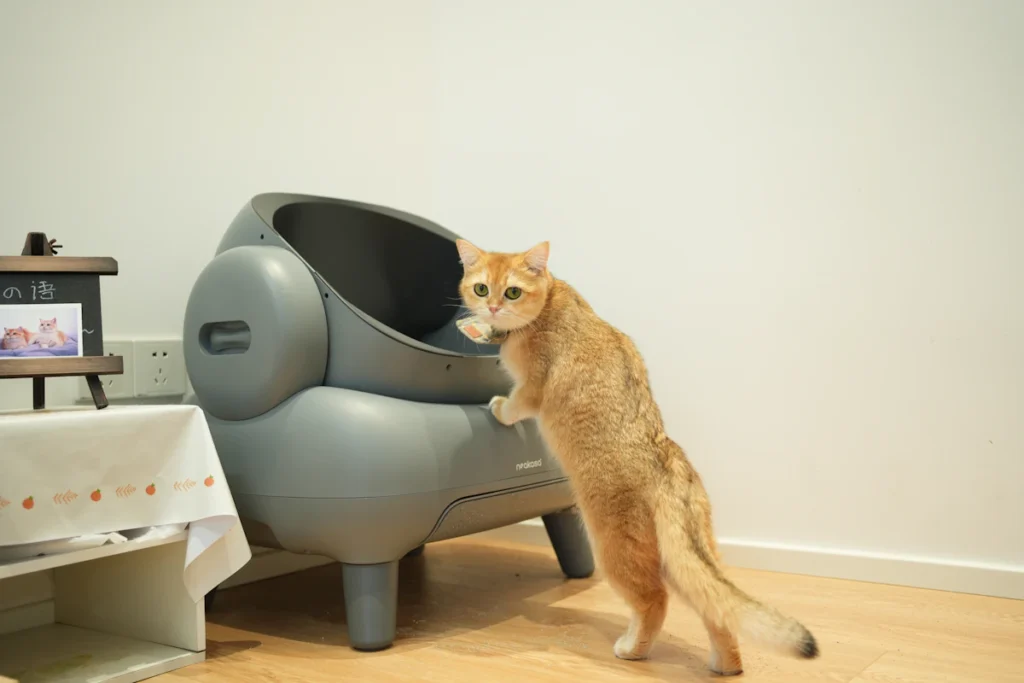
Short answer: if your cat, especially a male cat, keeps going to the litter box and straining but passes little or no urine, treat it as an emergency. A blocked urethra stops urine from leaving the body. Within 24–72 hours, potassium and toxins build up to levels that stop the heart. Owners often mistake it for constipation. Go to a vet immediately, even at night.
In this article
- What is FLUTD?
- Why a blocked cat is an emergency
- Signs to watch for
- Diagnosis
- Emergency treatment for a blocked cat
- Treatment of non-blocked FLUTD
- Prevention at home
- Crystals and stones: struvite vs calcium oxalate
- What happens inside a blocked cat
- Surgery for repeated blockages
- Frequently asked questions
- When to call a vet
- Related Articles
- References
Key takeaways
- FLUTD (feline lower urinary tract disease) is an umbrella term for bladder and urethra problems in cats: stress-related cystitis (the most common), crystals and stones, urethral plugs, and less often infection or cancer.
- Male cats have a long, narrow urethra and are at high risk of complete blockage. Female cats rarely block but still get cystitis.
- Warning signs include straining, frequent trips with small amounts or nothing, crying in the litter box, pink or bloody urine, licking the genitals, peeing outside the box, vomiting and hiding.
- Long-term prevention depends on more water (wet food, fountains), less stress, the right litter box set-up and, for crystals or stones, a prescription urinary diet.
What is FLUTD?
FLUTD describes a set of signs (painful, frequent, difficult or bloody urination) caused by several different conditions of the bladder and urethra:
| Cause | How common | Key points |
|---|---|---|
| Feline idiopathic cystitis (FIC) | Most common, especially in young to middle-aged cats | Sterile bladder inflammation linked to stress, low water intake and changes in the bladder lining and stress-hormone response; flares come and go |
| Urethral plugs | Common cause of blockage in males | A paste of protein, inflammatory cells and crystals that lodges in the narrow urethra |
| Bladder stones (uroliths) | Common | Mainly struvite (can sometimes be dissolved with diet) and calcium oxalate (cannot be dissolved; usually need surgery) |
| Urinary tract infection | Uncommon in young cats; more likely in older cats and those with diabetes, kidney disease or hyperthyroidism | Confirmed by urine culture, not guessed |
| Other | Rare | Bladder tumours, urethral narrowing, injury, birth defects |
Why a blocked cat is an emergency
When the urethra is blocked, the kidneys keep making urine but it cannot leave. The bladder overstretches and pressure backs up into the kidneys (post-renal acute kidney injury). Waste products (urea, creatinine) and potassium build up in the blood. High potassium slows and destabilises the heartbeat, which can cause cardiac arrest. The bladder wall can also be damaged or, rarely, rupture. Untreated, most fully blocked cats die within about 2–3 days.
Signs to watch for
Early FLUTD signs (any cat)
- Frequent visits to the litter box, passing small amounts
- Straining or taking a long time in the box
- Crying or growling while urinating
- Pink, red or brown urine; blood spots on the floor
- Peeing outside the box, often on cool surfaces like tiles, the bathtub or a washbasin. See cat peeing outside the litter box.
- Excessive licking of the genital area
Blockage signs (emergency)
- Straining with no urine, or only drops
- Repeatedly squatting in or out of the box (often mistaken for constipation)
- Painful, tense belly; crying when picked up
- Vomiting, not eating, hiding, weakness
- Collapse, low body temperature, slow heart rate (late stage)
Diagnosis
- Physical exam: a hard, painful, large bladder strongly suggests obstruction. Only a vet should press on it, because a diseased bladder can rupture.
- Blood tests: potassium, kidney values, acid-base status. An ECG checks the heart rhythm in blocked cats.
- Urinalysis: concentration (specific gravity), blood, crystals and white cells. A sterile sample collected by needle (cystocentesis) for culture when infection is possible.
- X-rays: most stones (struvite and calcium oxalate) show up on X-ray.
- Ultrasound: bladder wall, sludge, small stones, kidneys.
Emergency treatment for a blocked cat
- Stabilise first: IV fluids, and drugs to protect the heart from high potassium (calcium gluconate, insulin with dextrose).
- Relieve the bladder: sometimes by draining it with a needle (decompressive cystocentesis) to buy time.
- Unblock the urethra: under sedation or anaesthesia, the vet passes a urinary catheter and flushes the plug or stone back into the bladder.
- Indwelling catheter for typically 24–72 hours, with IV fluids to flush the kidneys while blood values return to normal.
- Pain relief: opioids such as buprenorphine; urethral relaxants are sometimes used (the evidence for prazosin is mixed).
- Monitoring of urine output, potassium and kidney values before going home.
Unfortunately, re-blockage is common: roughly 15–40% of cats block again, many within the first weeks. Watch closely after discharge. Cats that block repeatedly may need a perineal urethrostomy, a surgery that widens the urethral opening. It greatly reduces blockage risk but does not cure FIC.
Treatment of non-blocked FLUTD
- Pain relief is the most important treatment for cystitis flares.
- Antibiotics only if a culture confirms infection. Most young cats with cystitis do not have a bacterial infection, and unnecessary antibiotics drive resistance.
- Struvite stones and crystals: veterinary dissolution diets (for example Hill’s c/d or s/d, Royal Canin Urinary S/O) can dissolve struvite in a few weeks to months.
- Calcium oxalate stones: removed surgically (cystotomy) or by other procedures, then a diet that reduces recurrence.
- FIC: MEMO (multimodal environmental modification): more water, less stress, a better litter box set-up, play and enrichment. Pheromone diffusers (Feliway) may help some cats.
Prevention at home
1. More water
- Feed wet food (pouches or cans) for at least part of the diet. Cats on dry kibble alone often produce concentrated urine.
- Offer several water bowls in different rooms, wide and shallow, cleaned daily.
- Try a pet water fountain; many cats prefer running water.
- Add a little water to wet food.
- In Indian summers, keep bowls in cool, shaded spots and refill often.
2. Litter box rules
- One box per cat plus one, in quiet places, not next to food or noisy appliances.
- Scoop at least daily; wash weekly.
- Large, uncovered boxes with unscented, fine litter suit most cats.
3. Less stress
- Stable routines, hiding places and high perches.
- Daily play that mimics hunting (wand toys).
- Introduce new pets, people or furniture gradually; keep conflict between cats to a minimum.
- Prepare for festivals with firecrackers by giving your cat a quiet, safe room. See Diwali safety for pets.
4. Diet and weight
- For cats with past crystals or stones, feed the prescription diet your vet chooses, long term, and do not mix it with other foods.
- Keep your cat lean; obesity and inactivity raise the risk.
- Do not add salt or random supplements. Cow’s milk is not a substitute for water.
Crystals and stones: struvite vs calcium oxalate
A urine test (urinalysis) and X-rays or ultrasound tell your vet which type of crystal or stone is present. The two common types behave very differently.
| Feature | Struvite (magnesium ammonium phosphate) | Calcium oxalate |
|---|---|---|
| Urine pH | Forms in alkaline urine | Forms in acidic urine |
| Typical cat | Young to middle-aged, overweight, dry-food diet, low water intake | Middle-aged to older cats; some breeds such as Persians and Himalayans |
| Visible on X-ray | Yes | Yes, very dense |
| Can be dissolved by diet? | Yes. Prescription dissolution diets can dissolve sterile struvite stones in a few weeks | No. Must be removed by flushing back into the bladder and surgery |
| Prevention | Wet food, more water, urinary diet as advised | Wet food, more water; avoid over-acidifying diets |
Important points:
- Crystals are not the same as stones. Crystals can form in a urine sample that has cooled or stood for hours, so the sample should be tested fresh.
- Crystals in a cat with no signs do not always need treatment; your vet will interpret them together with the cat’s signs.
- In young cats with bladder signs, feline idiopathic cystitis (FIC) is the most common diagnosis. No crystals, stones or infection are found, and stress and low water intake are major triggers.
- Bacterial urinary infection is uncommon in young cats but becomes more common in older cats, especially those with kidney disease, diabetes or hyperthyroidism, so a urine culture is advised in senior cats.
What happens inside a blocked cat
- When the urethra is blocked, urine cannot leave, and the kidneys stop filtering properly.
- Potassium rises in the blood within 24 to 48 hours. High potassium slows and disturbs the heartbeat, which is the main reason blocked cats die.
- Waste products (urea and creatinine) build up, causing vomiting and depression.
- The bladder wall can be damaged by overstretching, so some cats need a urinary catheter and bladder care for several days, and some cannot empty the bladder properly for a while afterwards.
Surgery for repeated blockages
Cats that block again despite diet and stress management may need a perineal urethrostomy (PU). The surgeon widens the narrowest part of the urethra so that small stones and plugs can pass. It greatly reduces the risk of re-blocking, although cats still need water and stress management, and are more prone to bladder infections afterwards.
Frequently asked questions
How can I tell if my cat is constipated or blocked?
You often cannot tell at home. Both cause straining in the litter box. Check whether there are wet clumps of urine. If your cat is male and you are unsure, assume a blockage and go to a vet immediately.
How long can a cat survive with a urinary blockage?
Usually only 24–72 hours. Some cats become critically ill within a day. Do not wait until morning.
Do female cats get blocked?
Very rarely, because the female urethra is shorter and wider. Female cats still get cystitis, stones and infections with similar early signs.
Can I treat cat cystitis with cranberry or home remedies?
Cranberry products have little proven benefit in cats, and home remedies delay proper pain relief and diagnosis. A vet should examine any cat with urinary signs.
Is dry food bad for cats?
Not on its own, but cats fed only dry food drink less and make more concentrated urine. For cats with a history of urinary problems, vets usually recommend mostly wet food.
When to call a vet
Immediately for a cat straining with no urine, crying in the box, vomiting or lethargy with urinary signs. Within 24 hours for blood in urine or frequent small urination in a cat that is still passing urine normally.
Related Articles
- Cat Constipation (Kabz) and Straining in the Litter Box: Causes, Safe Home Hydration and Fibre, and Why Human Enemas Are Deadly
- Heartworm in Dogs and Cats in India: Life Cycle, Stages, Tests, Treatment and Prevention
- Giardia and Coccidia in Dogs and Cats: Symptoms, Stool Tests, Treatment and Stopping Re-infection
- Kidney Disease in Dogs and Cats: IRIS Stages, Symptoms, Renal Diet and Treatment
References
- Forrester SD, Towell TL. Feline idiopathic cystitis. Vet Clin North Am Small Anim Pract 2015;45:783–806.
- Lulich JP, et al. ACVIM small animal consensus recommendations on the treatment and prevention of uroliths in dogs and cats. J Vet Intern Med 2016.
- Segev G, et al. Urethral obstruction in cats: predisposing factors, clinical, clinicopathological characteristics and prognosis. J Feline Med Surg 2011.
- Buffington CAT, et al. Clinical evaluation of multimodal environmental modification (MEMO) in the management of cats with idiopathic cystitis. J Feline Med Surg 2006.
- Merck Veterinary Manual: Feline lower urinary tract disease.
- Lulich JP, Berent AC, Adams LG, et al. ACVIM Small Animal Consensus Recommendations on the Treatment and Prevention of Uroliths in Dogs and Cats. Journal of Veterinary Internal Medicine. 2016;30(5):1564-1574.
- Buffington CAT, Westropp JL, Chew DJ, Bolus RR. Clinical evaluation of multimodal environmental modification (MEMO) in the management of cats with idiopathic cystitis. Journal of Feline Medicine and Surgery. 2006;8(4):261-268.
More on Cats
Prednisolone (Wysolone) for Dogs and Cats: Uses, Side Effects, Tapering, and the Truth About Steroid Injections
Uses and side effects of prednisolone, why it must be tapered, the danger of mixing with painkillers, and the truth about steroid…

Dog and Cat Spay/Neuter Guide: Right Age, Laparoscopic vs Traditional Spay, 10-Day Stitch Care and Cone Rules
When to spay or neuter dogs and cats, open vs laparoscopic surgery, a day-by-day recovery plan, cone rules and warning signs at…