 Written and reviewed by Dr. Vaishnavi Karmawat, B.V.Sc. & A.H., Registered Veterinary Practitioner
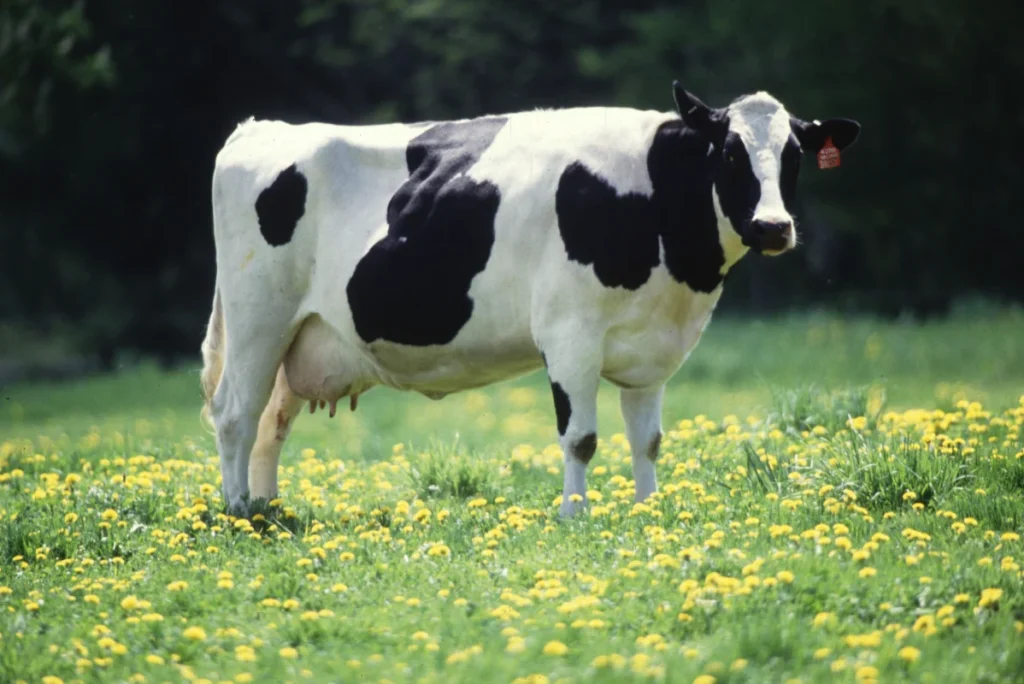
A repeat breeder is a cow that comes into heat normally, looks healthy, but fails to conceive after 3 or more inseminations. For HF and Jersey crossbred cows in India, this is one of the biggest hidden losses: every missed cycle costs 21 days of milk and feed. The good news is that most repeat breeders can be fixed once the real cause is found. This guide explains the seven hidden causes and a step-by-step vet conception protocol.
In this article
Key Takeaways
- A repeat breeder comes into heat normally but fails to conceive after 3 or more inseminations.
- The length of the heat cycle (short, normal or long) is the first clue to the cause.
- Checking the cervical mucus helps detect hidden uterine infection (subclinical endometritis).
- Wrong AI timing, poor semen handling, mineral and energy deficiencies, heat stress and infection are common causes.
- Most repeat breeders can conceive again once the real cause is found and treated by a vet.
First, read the cycle length
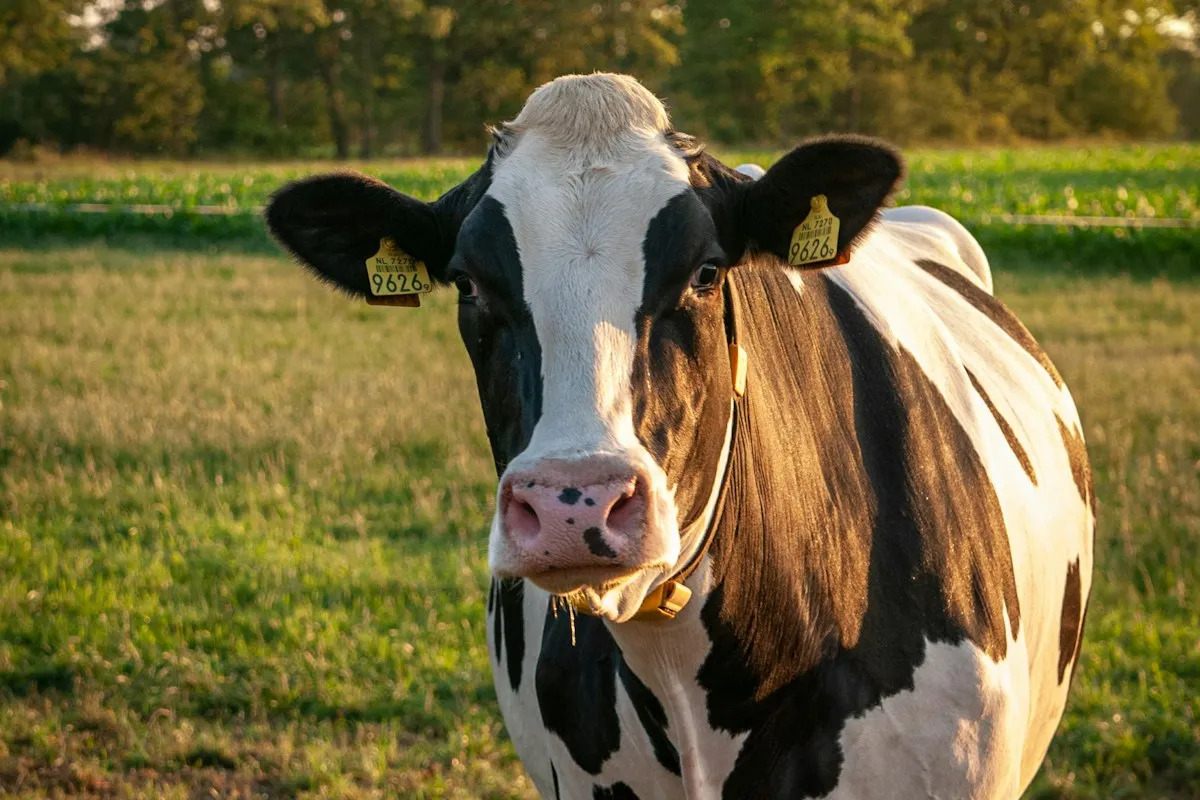
The length of the gap between two heats is the first clue.
| Cycle length | What it usually means | Likely cause |
|---|---|---|
| Short cycle (under 17 days) | Cow returns to heat too soon | Cystic ovaries, or luteal problems; hormonal |
| Normal cycle (18 to 24 days) | Fertilisation failed or embryo died very early | Wrong AI timing, delayed ovulation, subclinical endometritis, poor semen handling, nutrition |
| Long cycle (over 25 days) | Embryo died after about 16 days, or a heat was missed | Late embryo loss (luteal deficiency, infection, heat stress), or missed heat detection |
Then check the mucus (cervico-vaginal mucus, CVM)
| Mucus at heat | Meaning |
|---|---|
| Clear, glass-like, stretchy, flows in a long string | Normal, good heat |
| Cloudy, with flakes or white streaks | Subclinical endometritis (uterine infection) |
| Yellow or pus-like | Clinical endometritis: needs treatment before AI |
| Very little or thick, sticky mucus | Weak heat, possibly hormonal or nutritional |
When a drop of good heat mucus dries on a glass slide, it forms a fern pattern. A clear fern pattern means good estrogen levels and correct timing for AI. Your vet or AI technician can check this.
The 7 hidden causes
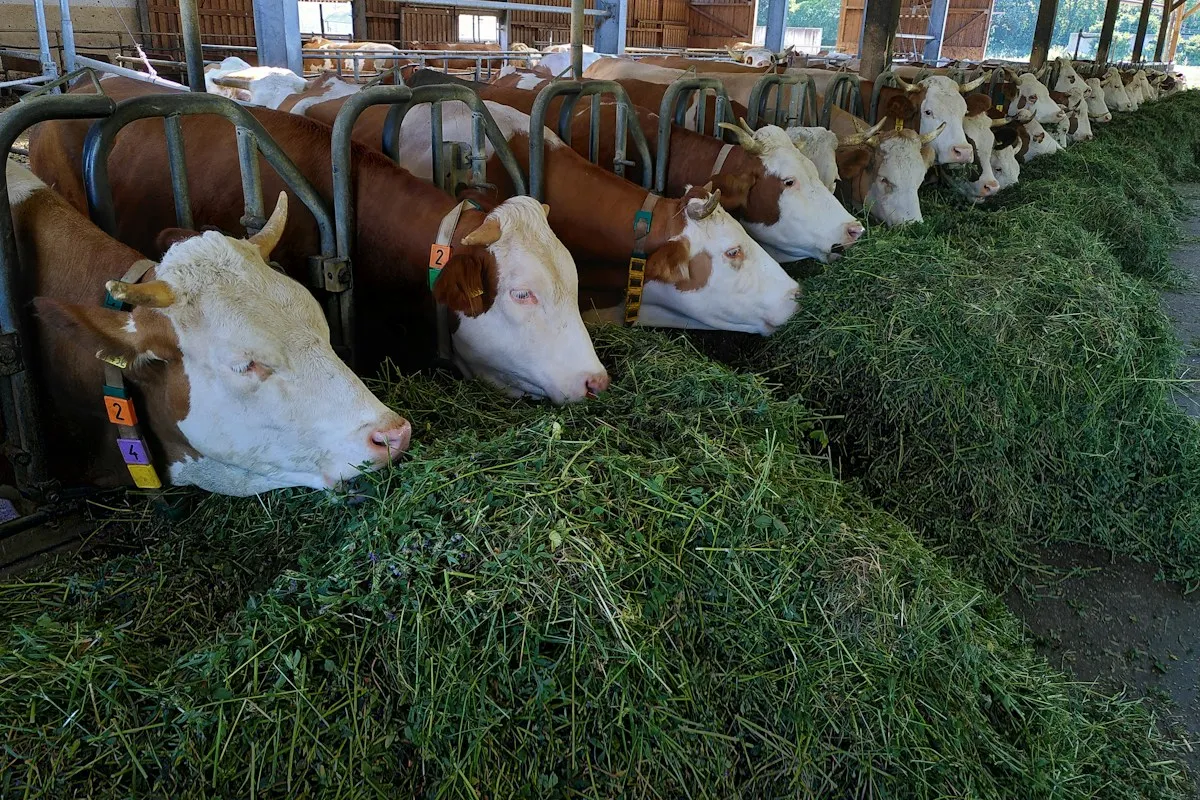
- Wrong AI timing. Follow the AM-PM rule: if heat is first seen in the morning, inseminate in the evening; if seen in the evening, inseminate the next morning. Too early or too late wastes the dose.
- Subclinical endometritis. A low-grade uterine infection with no obvious discharge. It is the most common cause in Indian crossbreds.
- Delayed ovulation. The cow releases the egg late, after the sperm have died. Common in high-yielders and in summer.
- Luteal deficiency (low progesterone). The corpus luteum does not make enough progesterone to hold the pregnancy, causing early embryo loss.
- Mineral deficiencies. Phosphorus, copper and cobalt deficiency, and low vitamin A and E, are very common where no mineral mixture is fed.
- Negative energy balance. High-yielding cows lose body weight after calving; thin cows conceive poorly.
- Poor semen handling. Semen straws must be thawed at the right temperature, usually 37°C water for 30 seconds, and inseminated within about 15 minutes. Exposing a straw to sunlight or cold ruins it. Bull semen straw thawing temperature mistakes are surprisingly common.
The vet conception protocol
Step 1: Examine. Your vet does a rectal examination of the uterus and ovaries and checks the mucus.
Step 2: Treat infection if present. For subclinical endometritis, options include intrauterine infusion. Intrauterine Lugol’s iodine vs antibiotic infusion: a dilute Lugol’s iodine wash is cheap and effective for many mild infections, while antibiotic infusions are used for more severe cases. Your vet chooses which, and inseminates in the next heat after treatment.
Step 3: Fix timing. Use the AM-PM rule, and repeat the insemination after 12 hours if the cow stays in heat (double AI).
Step 4: Hormonal support.
- GnRH (buserelin) injection at AI helps cows with delayed ovulation release the egg on time.
- For luteal deficiency, your vet may give a GnRH or hCG injection 5 to 12 days after AI, or progesterone support, to protect the early pregnancy.
Step 5: Correct nutrition.
- 50 to 60 g area-specific mineral mixture daily
- Enough energy: 1.5 to 2 kg maintenance concentrate plus milk ration
- Green fodder for vitamin A
- Deworming every 3 to 6 months
Step 6: Confirm pregnancy by rectal examination or ultrasound 45 to 60 days after AI.
🩺 Dr. Vaishnavi’s Clinical Picks (Available on Amazon India)
Products I suggest to dairy farmers for this. For a sick animal, call your vet first.
Calcium and phosphorus support for milking cows and buffaloes
Vitamins A, D3, E and B12, often mixed with liquid calcium
As an Amazon Associate, I earn from qualifying purchases. This costs you nothing extra.
Frequently asked questions
How many times can a cow be inseminated before it is a repeat breeder?
A cow that fails to conceive after 3 correctly timed inseminations, with normal cycles and no visible problems, is called a repeat breeder.
What is the best time for AI in cows?
About 12 hours after the first signs of heat: the AM-PM rule.
Does mineral mixture help in repeat breeding?
Yes. Phosphorus, copper, cobalt and zinc deficiencies are among the most common causes in Indian crossbred cows.
Should I sell a repeat breeder cow?
Not before a vet examination. Most repeat breeders conceive after treatment of infection, correct timing and better nutrition.
Cow not conceiving? Book a fertility examination with Dr. Vaishnavi Karmawat.
Related Articles
- Winter Care for Cows and Buffaloes: Keep Milk Yield Up
- FMD in Cows and Buffaloes: Symptoms, Treatment, and Free Vaccine
- Milk Fever in Cows and Buffaloes: Symptoms, Treatment, and Prevention
- How To Increase Milk Production in Cows and Buffaloes Naturally
References
- Merck Veterinary Manual. Management of Reproduction: Cattle.
- Department of Animal Husbandry and Dairying, Government of India. Rashtriya Gokul Mission: scheme guidelines.
- Radostits OM, et al. Veterinary Medicine: A Textbook of the Diseases of Cattle, Horses, Sheep, Pigs and Goats, 10th ed. Saunders; 2007.
More on Cows and Buffaloes
Cows Eating Plastic: Symptoms, Treatment, and Prevention
Cows often swallow plastic and festival waste. Learn the signs of plastic in the stomach, how vets treat it and how to…
Winter Care for Cows and Buffaloes: Keep Milk Yield Up
Protect cows and buffaloes from the winter cold. Learn vet tips on shelter, feeding, water and calf care to keep milk yield…