 Written and reviewed by Dr. Vaishnavi Karmawat, B.V.Sc. & A.H., Registered Veterinary Practitioner
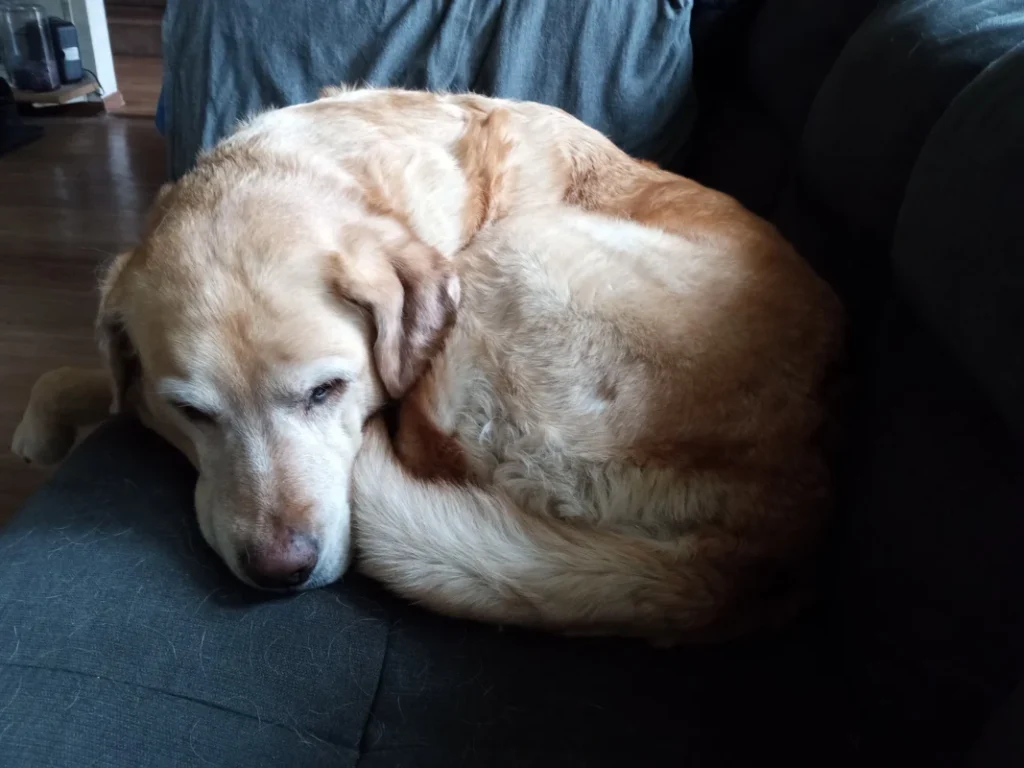
If your dog suddenly starts coughing as if something is stuck in the throat, often with a loud "honking" sound and gagging at the end, kennel cough is a common cause. It spreads easily wherever dogs meet: boarding kennels, grooming salons, dog parks, shelters, training classes and even street dogs in your colony. Cases often rise in winter and during holiday seasons when many dogs are boarded. Most dogs recover with rest in one to three weeks, but puppies, older dogs and flat-faced breeds can develop pneumonia, so it is important to know when to see a vet.
In this article
- What causes kennel cough?
- How it spreads
- Symptoms
- What exactly is kennel cough? (CIRDC)
- Is it kennel cough or something else? The “goose honk” test
- Distemper: the dangerous look-alike in Indian puppies
- Home care for a mildly coughing dog
- How vets treat kennel cough
- How long does kennel cough last?
- Prevention
- Other causes of coughing
- Common myths
- How vets diagnose kennel cough
- Frequently asked questions
- When to call the vet
Key Takeaways
- Kennel cough is an infection of the windpipe and airways spread wherever dogs meet.
- A loud “goose honk” cough that ends in a gag is typical; most dogs stay bright and eating.
- Most dogs recover with rest in 1 to 3 weeks, but puppies, older dogs and flat-faced breeds can develop pneumonia.
- In Indian puppies, distemper can look like kennel cough at first, so fever, eye discharge or dullness need a vet.
- Vaccination and avoiding crowded places when dogs are coughing help prevent it.
What causes kennel cough?
Kennel cough is a nickname for canine infectious respiratory disease, an infection of the windpipe and airways. It is usually caused by a mix of germs:
- Bordetella bronchiseptica bacteria
- Canine parainfluenza virus
- Canine adenovirus type 2
- Other viruses and bacteria, sometimes together
Cold weather, dust, smoke, stress and crowding make infection more likely.
How it spreads
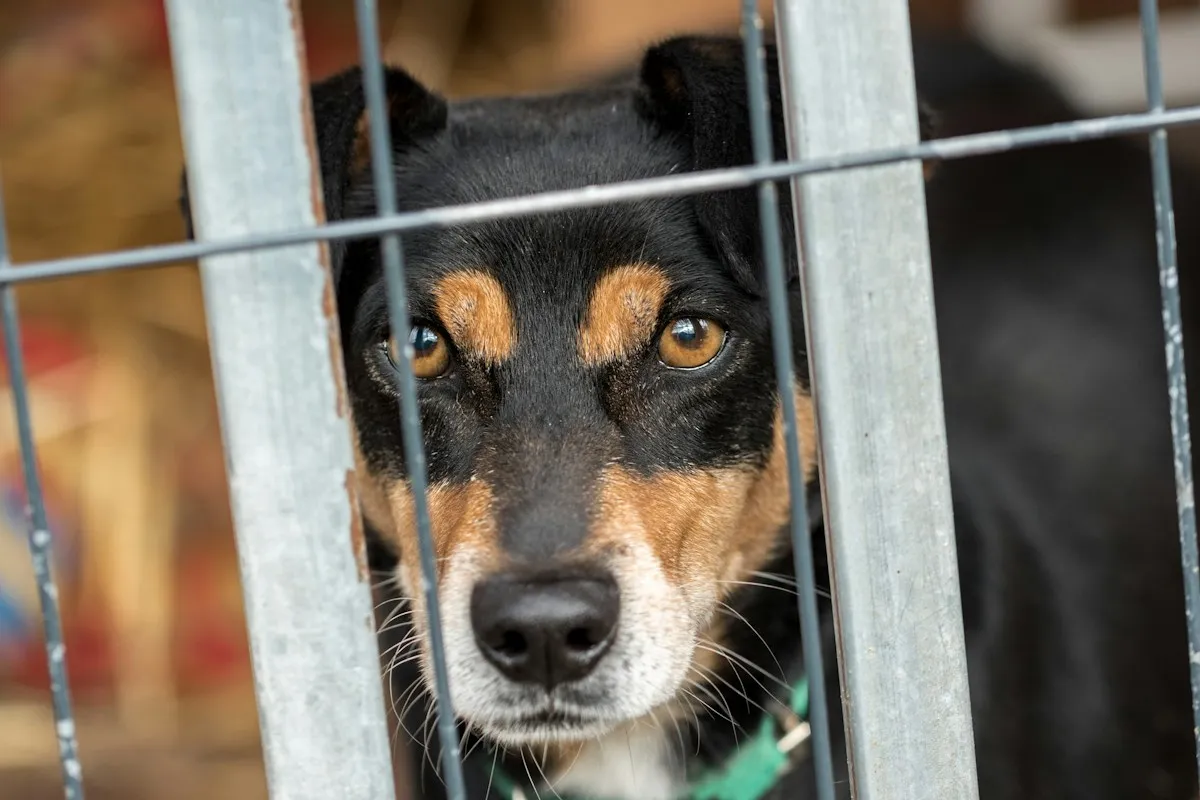
- Coughing and sneezing dogs spread germs through the air
- Sharing water bowls, toys and food bowls
- Nose-to-nose contact at parks, walks and kennels
- Hands and clothes of people who handle many dogs
Dogs can spread the infection for a few days before they start coughing and for some time after they seem better.
Symptoms
| Usually mild kennel cough | Warning signs of something more serious |
|---|---|
| Dry, harsh, honking cough | Fever, dullness, not eating |
| Gagging or retching after coughing, sometimes bringing up white froth | Fast or difficult breathing, breathing with the mouth open |
| Cough worse with excitement, pulling on the collar or after drinking | Thick yellow or green discharge from nose or eyes |
| Mild sneezing or runny nose | Cough that keeps getting worse after a week |
| Dog is otherwise bright and eating | Puppy with cough plus eye discharge, diarrhoea or twitching |
A coughing puppy with fever, thick eye or nose discharge, vomiting, diarrhoea or twitching may have distemper, which is life-threatening. See a vet the same day, especially if the puppy has not completed its vaccines.
What exactly is kennel cough? (CIRDC)
Vets now call kennel cough canine infectious respiratory disease complex (CIRDC), because it is caused by one or more of several viruses and bacteria working together. Stress, crowding and poor ventilation (boarding kennels, shelters, dog shows, grooming salons and even crowded parks) let them spread.
| Organism | Type | Notes |
|---|---|---|
| Bordetella bronchiseptica | Bacterium | The classic cause; damages the tiny hair-like cilia that clear the airway; often combined with viruses |
| Canine parainfluenza virus (CPiV) | Virus | Very common; included in most Indian puppy combination vaccines (the “Pi” in DHPPi) |
| Canine adenovirus type 2 (CAV-2) | Virus | Covered by the “A2/H” part of combination vaccines |
| Canine respiratory coronavirus (CRCoV) | Virus | Different from the intestinal coronavirus; no vaccine in India |
| Canine influenza (H3N8, H3N2) | Virus | Causes outbreaks abroad; not commonly reported in India |
| Mycoplasma cynos | Bacterium | Can contribute to more severe disease |
| Streptococcus equi subsp. zooepidemicus | Bacterium | Rare, but can cause severe, rapidly fatal pneumonia |
| Canine distemper virus | Virus | Not “kennel cough”, but early distemper looks similar; see below |
Is it kennel cough or something else? The “goose honk” test
| Feature | Kennel cough | Heart-related cough | Collapsing trachea |
|---|---|---|---|
| Typical dog | Any age, recently mixed with other dogs | Older small breeds (mitral valve disease) or large breeds (heart muscle disease) | Small breeds: Pomeranian, Yorkie, Chihuahua, Pug |
| Sound | Harsh, dry, hacking, often ending in a gag or retch of white froth | Softer, moist cough, often at night or on lying down | Loud “goose honk”, especially with excitement or collar pressure |
| Energy and appetite | Usually normal in mild cases | Tires easily, faster breathing at rest | Normal between episodes |
| Breathing at rest | Normal | Often fast (over 30 to 40 breaths a minute while asleep) | Normal between episodes |
| Onset | Sudden, 3 to 10 days after exposure | Gradual over weeks | Long-standing, worse with heat, obesity, pulling on the lead |
A cough that comes with fever, dullness, refusing food, thick nasal discharge or fast breathing suggests pneumonia or distemper and needs a vet the same day.
Distemper: the dangerous look-alike in Indian puppies
Canine distemper is still common in unvaccinated Indian puppies and street dogs. It often begins like kennel cough, with cough, eye and nose discharge and fever, but then progresses to vomiting, diarrhoea, thickened nose and paw pads, and later twitching, fits or paralysis. It is frequently fatal. Any coughing puppy that is not fully vaccinated should be examined by a vet.
Home care for a mildly coughing dog
If your vet confirms mild kennel cough, these steps help your dog recover:
- Rest. Keep walks short and calm for one to two weeks; avoid running and rough play
- Use a harness instead of a collar so there is no pressure on the windpipe
- Steam: sit with your dog in a closed bathroom with a hot shower running for 10 to 15 minutes, a few times a day, to loosen mucus
- Honey: half to one teaspoon of plain honey for a medium dog can soothe the throat; avoid in diabetic and obese dogs, and never give honey products with xylitol.
- Keep your dog warm and away from smoke: no incense sticks, mosquito coils, cigarettes or room fresheners near the dog
- Offer fresh water and soft, tasty food; slightly warm food helps dogs with a sore throat eat
- Keep your dog away from other dogs for at least 2 weeks after the cough stops, and do not take them to boarding, grooming or parks
Never give human cough syrups or cold medicines. Many contain ingredients such as codeine, decongestants or xylitol that can poison dogs. Your vet will decide if a cough medicine or antibiotic is needed.
How vets treat kennel cough
- An examination of the throat, chest and temperature, and sometimes a chest X-ray or tests
- Rest and home care for most mild cases
- Antibiotics if a bacterial infection or pneumonia is suspected
- Cough suppressants in some dogs to allow rest, prescribed for your dog's weight
- Hospital care, oxygen or fluids for dogs with pneumonia
How long does kennel cough last?
| Situation | Usual course |
|---|---|
| Healthy adult dog, mild case | Cough improves within 1 to 3 weeks |
| Puppies, senior dogs, flat-faced breeds | Higher risk of pneumonia; need closer watching and earlier vet care |
| Dogs with heart or lung disease | Cough may last longer and can be more serious |
Prevention
- Make sure your dog's core vaccinations are up to date. The common combined vaccine protects against canine parainfluenza and adenovirus, which are part of the kennel cough complex. See our puppy and kitten vaccination schedule
- Ask your vet about a kennel cough (Bordetella) vaccine, especially before boarding, grooming, dog shows or training classes. Vaccinate a few weeks before the visit
- Choose boarding and grooming centres that are clean, well ventilated and ask for vaccination records
- Avoid shared water bowls in parks; carry your dog's own bowl
- Keep coughing dogs at home and tell your groomer or boarding centre if your dog has been coughing
Cold nights can make coughs worse. Read our winter care guide for dogs and cats.
Other causes of coughing
Not every cough is kennel cough. Your vet will also consider:
- Collapsing windpipe in small breeds such as Pomeranians, Pugs and Shih Tzus
- Heart disease, especially in older dogs who cough at night or after exercise
- Heartworm and lungworm infections
- Something stuck in the throat, or allergies and smoke irritation
A cough that lasts more than two weeks always needs a vet check.
Common myths
| Myth | Fact |
|---|---|
| "Kennel cough only happens in kennels." | Any place where dogs meet, including parks, salons and streets, can spread it. |
| "Vaccinated dogs cannot get kennel cough." | Vaccines reduce risk and severity but cannot cover every germ involved. |
| "Human cough syrup is safe in small amounts." | Many human cough medicines are toxic to dogs. Use only what your vet prescribes. |
| "Every cough needs antibiotics." | Many mild cases are viral and recover with rest; your vet decides. |
🩺 Dr. Vaishnavi’s Clinical Picks (Available on Amazon India)
To support appetite and recovery after illness.
Daily vitamins and minerals for coat, growth and appetite
As an Amazon Associate, I earn from qualifying purchases. This costs you nothing extra.
How vets diagnose kennel cough
- Most cases are diagnosed from the typical honking cough and a history of contact with other dogs at a park, kennel, groomer or clinic.
- If your dog has fever, low energy, fast breathing or stops eating, your vet may take a chest X-ray to check for pneumonia.
- In severe cases or outbreaks, a nose and throat swab (PCR panel) can identify the bacteria and viruses involved.
Frequently asked questions
Can people or cats catch kennel cough from dogs?
It is very rare for people to be affected, though people with weak immunity should be careful. Bordetella can occasionally infect cats, so keep a coughing dog away from cats and wash your hands.
Is kennel cough serious?
Usually it is mild in healthy adult dogs. It can turn into pneumonia in puppies, older dogs and flat-faced breeds, so watch for fever, poor appetite and fast breathing.
How long is my dog contagious?
Dogs can spread it before and during the cough, and for some time after. Keep your dog away from other dogs for at least two weeks after the cough stops.
Can I walk my dog with kennel cough?
Short, calm toilet walks on a harness are fine. Avoid parks, other dogs and hard exercise until your vet says your dog has recovered.
My dog coughs and gags. Did it swallow something?
Kennel cough often ends with a gag that looks like choking. If your dog is pawing at its mouth, cannot swallow, or might have chewed a toy or bone, see a vet urgently.
When to call the vet
See your vet the same day if your dog has fever, is not eating, breathes fast or with effort, has thick nasal or eye discharge, or is a young puppy or senior dog. Book a check-up if a mild cough has not improved within a week or lasts longer than two weeks. Read our guide to dogs not eating for more warning signs.
Recommended reading
- The Ultimate Dog Owner’s Handbook by Dr. Vaishnavi Karmawat (Kindle eBook on Amazon)
- Puppy Training for Beginners by Dr. Vaishnavi Karmawat (Kindle eBook on Amazon)
- See all titles on the Books page.
Related Articles
- Why Is My Dog Coughing (Khansi)? Kennel Cough vs Heart Cough vs Tracheal Collapse vs Throat Blockage, and Safe Steam Care
- Heartworm in Dogs and Cats in India: Life Cycle, Stages, Tests, Treatment and Prevention
- Bloody Diarrhoea in Dogs (Raspberry Jam Stool): Colitis vs Hookworms vs Parvo vs AHDS in Indian Dogs
- Giardia and Coccidia in Dogs and Cats: Symptoms, Stool Tests, Treatment and Stopping Re-infection
References
- Merck Veterinary Manual. Infectious Tracheobronchitis of Dogs (Kennel Cough).
- WSAVA Vaccination Guidelines Group. Guidelines for the Vaccination of Dogs and Cats.
- AAHA. Canine Vaccination Guidelines. 2022.
- Ford RB. Canine infectious respiratory disease. In: Greene CE, ed. Infectious Diseases of the Dog and Cat. 4th ed. St. Louis: Elsevier Saunders; 2012.
- Reagan KL, Sykes JE. Canine Infectious Respiratory Disease. Veterinary Clinics of North America: Small Animal Practice. 2020;50(2):405-418.
- Day MJ, Carey S, Clercx C, et al. Aetiology of canine infectious respiratory disease complex and prevalence of its pathogens in Europe. Journal of Comparative Pathology. 2020;176:86-108.
More on Dog Diseases and Infections
Pyometra in Dogs and Cats: Early Signs After Heat, Open vs Closed Pyometra, Surgery Cost in India and Why Heat-Stopping Injections Are Risky
Unspayed dog drinking more, off food or with discharge after heat? Pyometra signs, why it is an emergency, surgery cost in India…
UTI in Dogs: Signs, Urine Tests, Right Antibiotics and Why Chemist Norflox or Cipro Can Backfire
Dog peeing often or with blood? Signs of urinary infection, urine culture, antibiotics, why UTIs recur, and when straining is an emergency.