 Written and reviewed by Dr. Vaishnavi Karmawat, B.V.Sc. & A.H., Registered Veterinary Practitioner
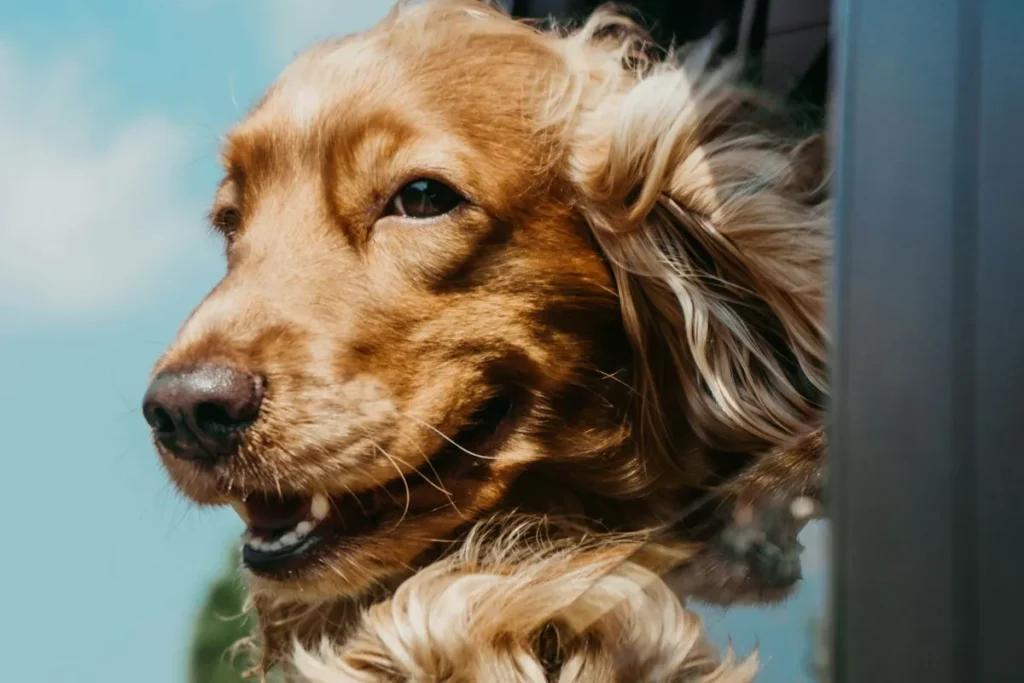
Many dogs love car rides, but for others, especially puppies, every trip ends with drooling, whining and vomiting on the back seat. Car sickness can make vet visits, holidays and moving house stressful for the whole family.
In this article
Here is why dogs get car sick, how to tell motion sickness from travel anxiety, practical training and feeding tips, and the medicines vets use, including whether human travel tablets like Dramamine are safe for dogs.
Key Takeaways
- Car sickness is most common in puppies, because the balance organs in their inner ear are still maturing. Many outgrow it by about one year of age.
- Signs include yawning, lip licking, drooling, whining, restlessness and vomiting.
- Some dogs are not motion sick but anxious about the car, often because car rides have only ever meant vet visits.
- Travelling on an empty stomach, facing forward, fresh air and short practice trips help many dogs.
- Dramamine (dimenhydrinate) and meclizine are antihistamines that can reduce motion sickness but cause drowsiness. Give them only at a dose your vet has worked out for your dog.
- Maropitant (Cerenia) prevents travel vomiting without sedation and is often the most effective option.
Why Do Dogs Get Car Sick?
Motion sickness happens when the brain receives mismatched signals. The vestibular system in the inner ear senses the car’s movement, acceleration and turns, while the eyes inside the car may see a fairly still interior. The conflicting messages stimulate the brain’s vomiting centre through histamine and other chemical messengers, producing nausea.
Puppies are affected far more often than adult dogs because the structures of the inner ear that sense balance are not fully developed. As the puppy matures, many dogs simply grow out of it. In other dogs, a bad first experience leaves a learned association: the sight of the car alone makes them drool and tremble before the engine has even started.
Signs of Car Sickness in Dogs
- Yawning, lip licking and swallowing repeatedly
- Heavy drooling
- Whining, pacing or restlessness
- Unusual stillness, crouching or hiding
- Retching and vomiting
- Passing urine or stool in the car
Motion sickness or travel anxiety?
| Clue | More likely motion sickness | More likely anxiety |
|---|---|---|
| Age | Puppy or young dog | Any age |
| When signs start | After the car has been moving for a while, worse on winding roads | Before the car moves, or as soon as the dog sees the car |
| Main signs | Drooling, nausea, vomiting | Panting, trembling, trying to escape, barking |
| Other places | Fine in the house | May also be anxious at the vet or with loud noises |
Many dogs have both. Treating nausea alone will not help a fearful dog, and calming a dog will not stop true motion sickness, so it is worth working out which problem is bigger.
Practical Tips To Prevent Car Sickness
Feeding before travel
- Avoid a full meal for a few hours before a trip. Many vets suggest travelling on an empty or nearly empty stomach, but do not withhold food from small puppies or toy breeds for long, because they can develop low blood sugar.
- Keep fresh water available, and offer small sips on long journeys.
- On long drives, give only small snacks at stops rather than a meal in the car.
In the car
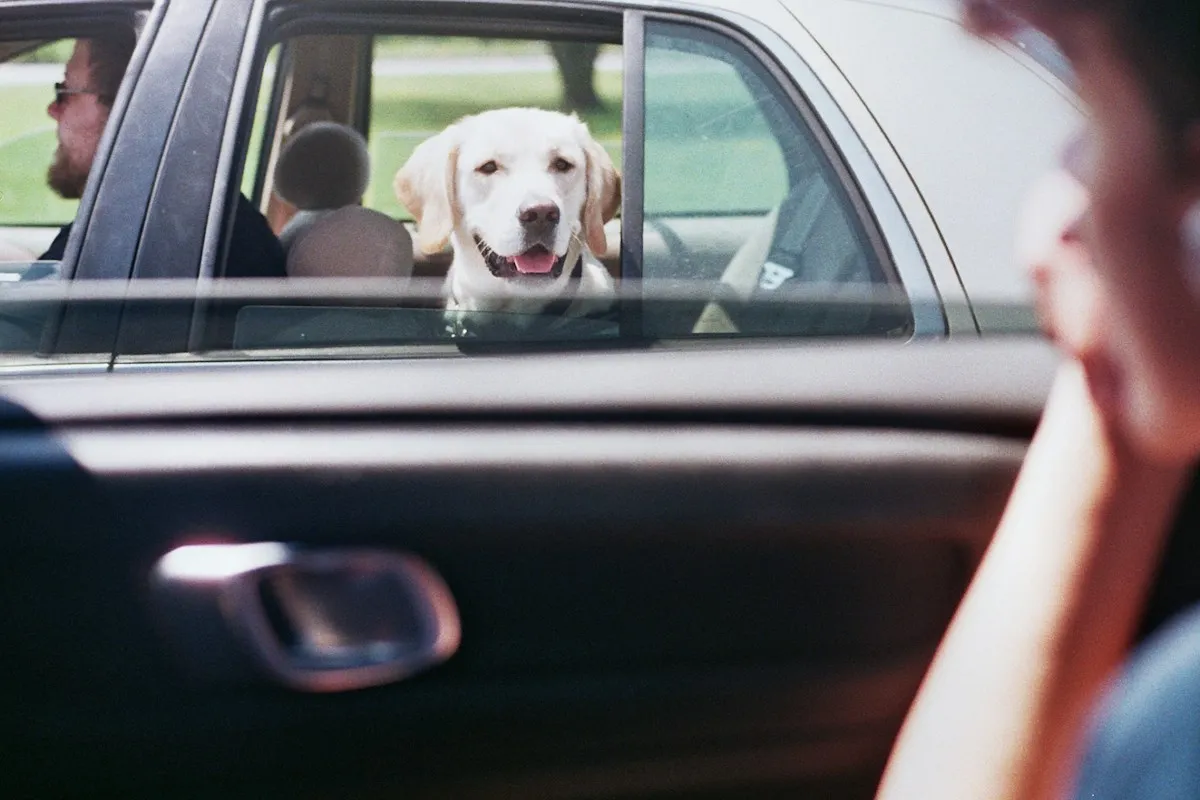
- Secure your dog in a ventilated crate or with a dog seat belt, ideally facing forward in the middle of the back seat, where motion is felt least.
- Lower the windows a little for fresh air and keep the car cool. Heat and stuffy air worsen nausea.
- Avoid strong air fresheners, smoking and agarbatti smells in the car.
- Drive smoothly, brake gently, and stop every one to two hours for a short walk and toilet break.
- Never leave a dog alone in a parked car in India’s heat, even for a few minutes. Car interiors can reach dangerous temperatures very quickly.
Training: build good car associations
- Start with the car parked and the engine off. Let your dog sit inside and give treats and praise, then get out. Repeat for a few days.
- Next, sit with the engine running but do not move.
- Then take very short drives, to the end of the street and back.
- Gradually make trips longer, and end them somewhere fun, such as a park, rather than only at the vet.
- Move at your dog’s pace. If drooling or trembling starts, go back a step.
This gradual desensitisation and counter-conditioning can take weeks, but it often brings lasting results, especially for anxious dogs.
Medicines for Car Sickness in Dogs
| Medicine | How it works | Timing | Main drawbacks |
|---|---|---|---|
| Maropitant (Cerenia) | Blocks the vomiting centre (NK-1 antagonist) | At least 2 hours before travel, with a small snack | Prescription only; does not reduce anxiety |
| Dimenhydrinate (original Dramamine) | Antihistamine (H1 blocker) acting on the inner ear and vomiting pathways | 30–60 minutes before travel | Drowsiness, dry mouth, urine retention |
| Meclizine (Dramamine Less Drowsy and others) | Antihistamine (H1 blocker), longer acting | About an hour before travel | Drowsiness, fast heart rate, dry eyes; not for puppies under 6 months or pregnant dogs |
| Diphenhydramine (Benadryl) | Antihistamine closely related to dimenhydrinate | 30–60 minutes before travel | Drowsiness; check the product contains no decongestant |
| Anti-anxiety medicines (vet prescribed) | Reduce fear of travel, e.g. gabapentin or trazodone | As directed, often 1–2 hours before | Sedation; prescription only |
Is Dramamine safe for dogs?
Dimenhydrinate, the ingredient in original Dramamine, is a human medicine that vets use extra-label in dogs. It is generally safe for healthy dogs at the right dose, but it is not suitable for every dog. Avoid it, or use it only with your vet’s approval, if your dog has:
- Glaucoma
- An enlarged prostate or difficulty passing urine
- A blockage of the bladder or intestines
- Asthma or other lung disease
- Heart disease or high blood pressure
- Seizures
- An overactive thyroid
- A known reaction to antihistamines
Important safety points:
- Use only plain, single-ingredient products. Do not give combination cold, flu or travel products, which may contain decongestants, paracetamol or caffeine.
- Avoid “non-drowsy” ginger formulas and flavoured chewables unless your vet has checked the ingredients, because some contain sweeteners such as xylitol, which is toxic to dogs.
- Overdose is dangerous. Too much can cause agitation, seizures, slow breathing, coma and death. The dose depends on your dog’s weight, so ask your vet rather than using the human pack instructions.
Drowsiness is the most common side effect, and some owners find it helpful on long journeys. Others prefer Cerenia precisely because it stops vomiting without making the dog sleepy. Common Indian travel tablets made for people, such as promethazine products, should not be given to dogs without a vet’s advice.
Does ginger help dogs with car sickness?
Ginger has some evidence for nausea in people, and small amounts of plain ginger are generally safe for dogs. However, there is little research in dogs. Do not give ginger biscuits, sweets or tablets, which may contain sugar, xylitol or other ingredients. Ask your vet before trying ginger, especially if your dog takes other medicines.
When To See the Vet
Talk to your vet if car sickness is severe, if your dog needs to travel often, or if your dog also vomits or seems off-balance at home. Sudden head tilt, circling, falling to one side or flickering eyes (nystagmus) point to vestibular disease rather than simple car sickness and need prompt attention. Vomiting at home is never just car sickness; see our guide to vomiting medicines and vomit colour guide.
Do Cats Get Car Sick?
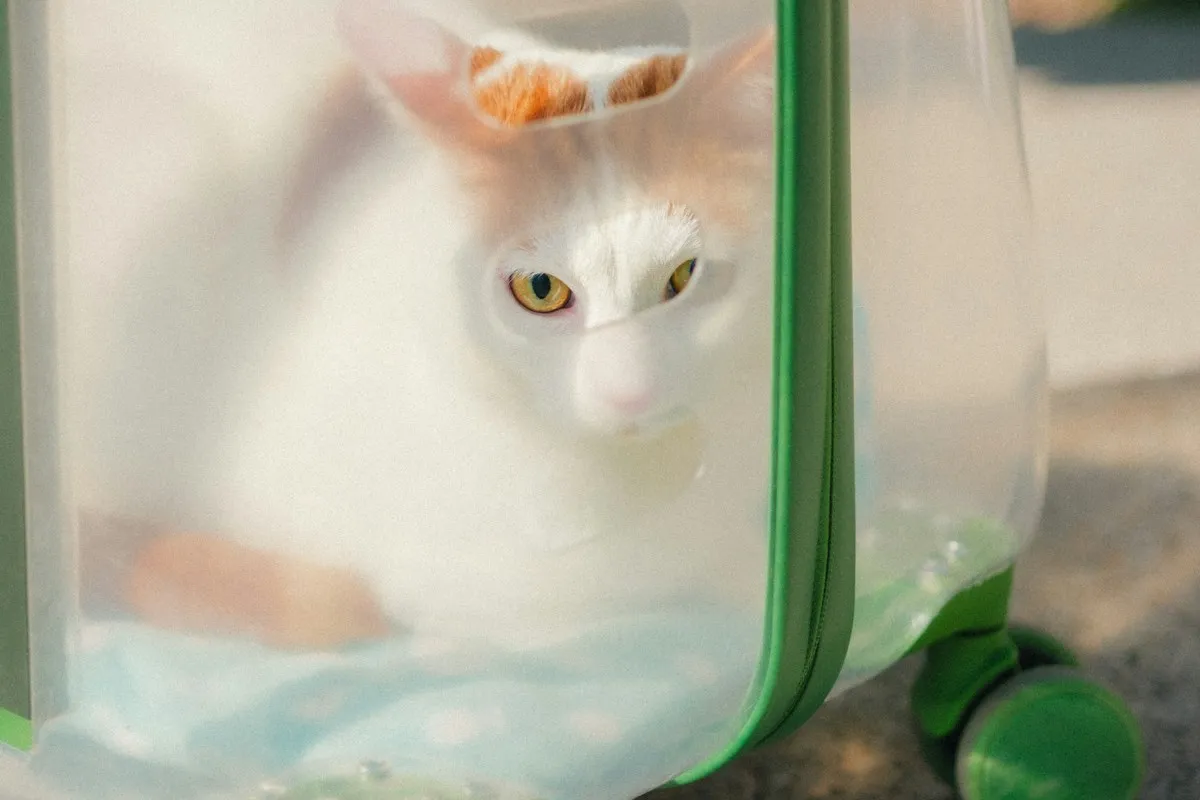
Yes, though cats more often show travel fear: crying, panting, drooling, urinating in the carrier or hiding. Travel in a secure, covered carrier lined with a familiar blanket, and leave the carrier out at home between trips so it is not frightening. Your vet can prescribe maropitant for nausea, or gabapentin for very fearful cats before vet visits. Never give cats human travel tablets.
Frequently Asked Questions
Will my puppy grow out of car sickness?
Many do by around one year of age, as the inner ear matures. Positive, gradual car training in the meantime stops the puppy from learning to fear the car.
How long before travel should I give the medicine?
Antihistamines are usually given 30 to 60 minutes before travel; Cerenia at least two hours before. Follow your vet’s instructions.
Can I give my dog Avomine or another human travel tablet?
Not without your vet’s advice. Human travel tablets are dosed for adults, and some contain drugs that are unsuitable or dangerous for dogs.
My dog vomits even on short trips. What should I do?
Start car training from step one with the engine off, and ask your vet whether Cerenia or an anti-anxiety medicine would help while your dog learns.
This article is for education and does not replace veterinary advice. Never give your pet any medicine, including human medicines, without your vet’s advice and dose.
Related Articles
- Can Dogs Eat Peanut Butter, Rice and Aloo (Potato)? Safe Indian Staples vs Hidden Toxins
- Can Dogs Eat Eggs (Anda)? Boiled vs Raw, Daily Limit for Puppies and the Summer Myth
- Can Dogs Eat Orange (Santra) or Mosambi? Benefits, Risks and Safe Amounts
- Can Dogs Eat Blueberries, Strawberries and Jamun? Safe Berries Guide for Indian Dogs (and Why Jamun Seeds Must Be Removed)
References
- Koehler R. Dramamine for Dogs: Is It Safe? PetMD, 2024.
- Price M, Fung C. Meclizine (NausX) for Dogs and Cats. PetMD, 2023.
- Benchaoui HA, et al. Efficacy of maropitant for preventing vomiting associated with motion sickness in dogs. Veterinary Record, 2007;161(13):444–447.
- Plumb’s Veterinary Drug Handbook, 10th ed. Wiley-Blackwell, 2023.
- Overall KL. Manual of Clinical Behavioral Medicine for Dogs and Cats. Elsevier, 2013.
More on Dog Behaviour and Training
Why Do Dogs Eat Grass, Mud, Stones or Wall Plaster? Pica, Worms, Anaemia and Safe Fixes
Why do dogs eat grass, mud or wall plaster? Pica and its links to anaemia, worms and diet, the risks, tests and…
Diwali Firecracker Anxiety in Dogs: How To Keep Your Dog Calm
Is your dog scared of Diwali crackers? Learn vet-approved ways to calm dogs and cats, set up a safe room, spot panic…