 Written and reviewed by Dr. Vaishnavi Karmawat, B.V.Sc. & A.H., Registered Veterinary Practitioner
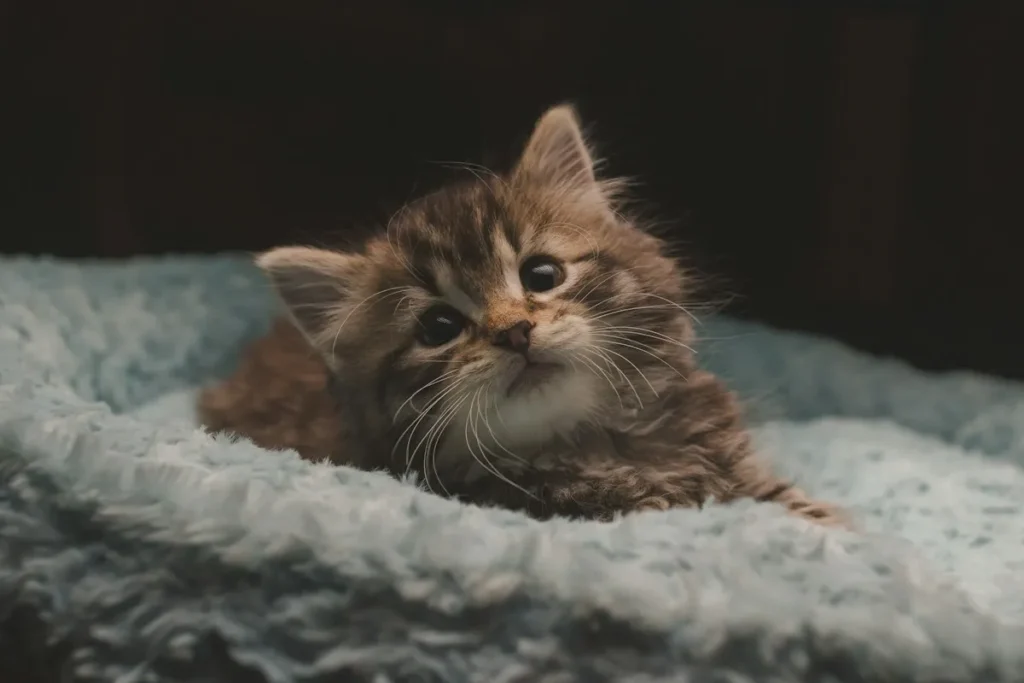
For decades, a diagnosis of feline infectious peritonitis (FIP) meant almost certain death for a young cat. Today, antiviral medicines have changed that: most treated cats now survive. FIP is still a serious, complex disease, and recognising it early gives a kitten or young cat the best chance.
In this article
This guide explains what causes FIP, the difference between wet and dry FIP, how vets diagnose it, modern treatment, and how to reduce the risk in multi-cat homes. At the end, we explain why a cat straining in the litter box usually does not have a bacterial urine infection.
Key Takeaways
- FIP is caused by a mutated form of feline coronavirus (FCoV), a very common gut virus. Only a small percentage of infected cats develop FIP.
- It mostly affects kittens and young cats under 2 years, especially in catteries, shelters and multi-cat homes. Purebreds such as Persians and Himalayans may be at higher risk.
- Wet FIP causes fluid in the belly or chest; dry FIP causes inflammation in organs such as the eyes, brain, kidneys and liver. Persistent fever that does not respond to antibiotics is a common early clue.
- There is no single perfect test. Diagnosis combines signs, blood tests (often a low albumin-to-globulin ratio), fluid analysis and PCR.
- Antiviral drugs such as GS-441524, remdesivir and molnupiravir, given for about 12 weeks, now cure most cats.
What Is FIP in Cats?
Feline coronavirus is extremely common, especially where many cats share litter boxes. In most cats it causes no illness or only mild diarrhoea, and it stays in the gut (feline enteric coronavirus).
In a small proportion of infected cats, roughly 1 to 2 percent overall and more in crowded settings, the virus mutates inside the cat. The mutated virus can infect immune cells called macrophages and spread through the body. The cat’s immune system then overreacts, causing inflammation of blood vessels (vasculitis) and clusters of inflammatory cells (pyogranulomas) in organs. This immune-driven damage is FIP.
Is FIP contagious?
The mutated FIP virus itself is not usually passed from cat to cat. What spreads is the ordinary feline coronavirus, mainly through faeces and shared litter boxes, and less often through saliva and shared bowls. Each cat that develops FIP does so because the virus mutates inside its own body.
Cats at higher risk
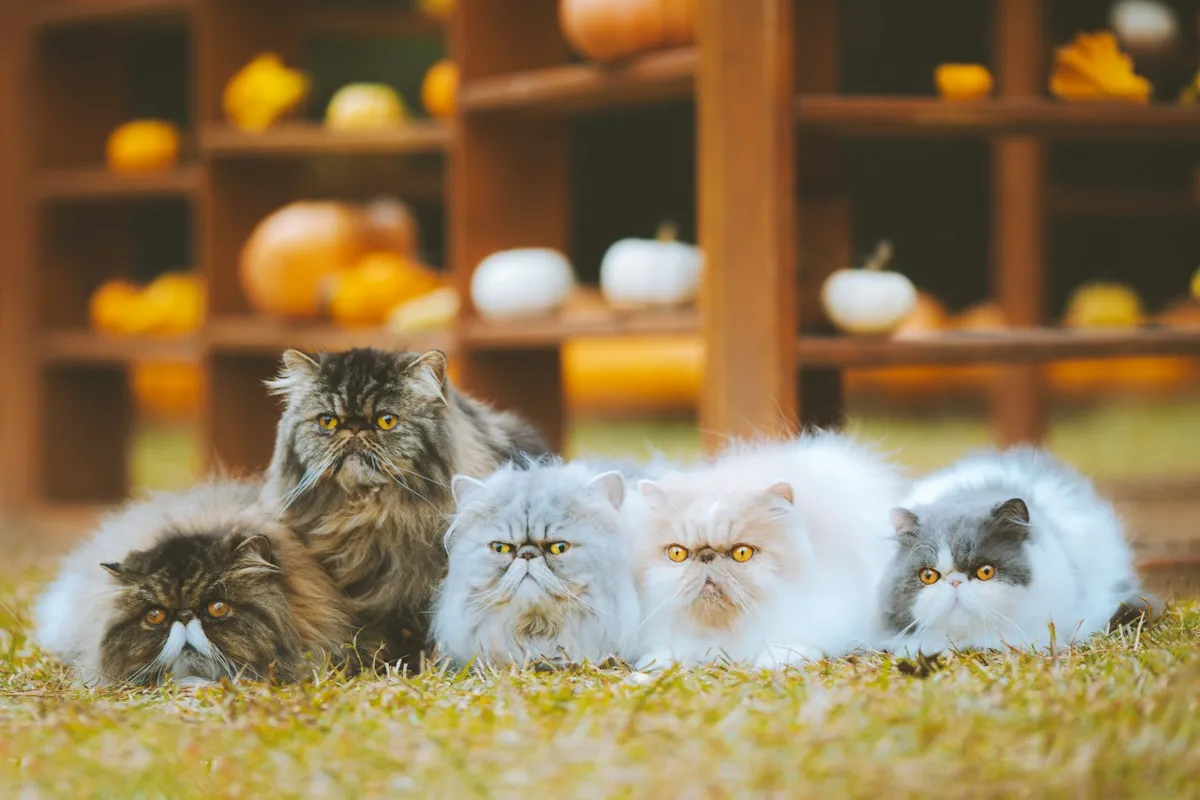
- Kittens and cats aged about 3 months to 2 years
- Cats from catteries, pet shops, shelters and multi-cat homes
- Purebreds, including Persians, Himalayans, Bengals, Abyssinians and Ragdolls
- Intact males
- Cats under stress, such as after rehoming, surgery or a new pet arriving
- Cats with FeLV or other conditions weakening immunity
Symptoms of FIP: Wet vs. Dry
Early signs are often vague: a kitten that stops growing, loses weight, eats less, seems dull, and has a fluctuating fever that does not improve with antibiotics. Signs then depend on the form:
| Wet (effusive) FIP | Dry (non-effusive) FIP |
|---|---|
| Swollen, pot-bellied abdomen from fluid build-up | Eye changes: cloudy or red eyes, blood in the eye, unequal pupils, squinting, blindness (uveitis) |
| Fast or difficult breathing from fluid around the lungs | Neurological signs: wobbliness, head tilt, circling, seizures, behaviour change |
| Yellow gums and skin (jaundice) | Enlarged lymph nodes, kidney or liver involvement |
| Usually progresses quickly over days to weeks | Often progresses more slowly over weeks to months |
Many cats have a mixture of both forms, and dry FIP can become wet, or vice versa.
How Vets Diagnose FIP
FIP can mimic many other diseases, and no single blood test confirms it. Vets build the diagnosis from several pieces of evidence:
- History and examination: age, multi-cat background, fever, fluid, eye or nerve signs
- Blood tests: high globulin proteins with low albumin, so a low albumin-to-globulin (A:G) ratio. A ratio below about 0.4 supports FIP; above about 0.8 makes FIP unlikely. Other findings include low lymphocytes, mild anaemia and raised bilirubin.
- Fluid analysis in wet FIP: the fluid is typically straw-yellow, sticky, high in protein and low in cells. A simple bedside Rivalta test helps.
- PCR or special staining for coronavirus in fluid, lymph node or organ samples, which strongly supports the diagnosis
- Ultrasound and X-rays to detect fluid, enlarged lymph nodes and organ changes
A positive coronavirus antibody test alone does not mean FIP, because many healthy cats carry coronavirus antibodies.
Treatment of FIP in Cats
Antiviral treatment
FIP is now treatable with antiviral drugs that block the virus from copying itself:
- GS-441524, given by mouth or injection, the most widely used drug
- Remdesivir, which the body converts into GS-441524, often given by injection at the start of treatment in very sick cats
- Molnupiravir, an alternative used in some cats, including those that relapse
Treatment typically lasts about 12 weeks (84 days), and some newer protocols are shorter. With treatment, roughly 80 to 90 percent or more of cats recover, including many with neurological or eye disease, which may need higher doses. Cats often improve dramatically within the first one to two weeks: the fever settles, appetite returns and fluid shrinks.
In many countries, including India, the availability and legal status of these drugs for cats varies, and owners sometimes obtain unlicensed products of uncertain quality. Always work with a veterinarian who can confirm the diagnosis, choose the drug and dose by weight and FIP form, monitor blood tests and adjust treatment. Do not start or stop treatment on your own, and do not stop early when the cat looks better, as relapse is more likely.
Supportive care
- Draining fluid from the chest to ease breathing
- Fluids, anti-nausea medicine and appetite stimulants such as mirtazapine
- Feeding support, including a feeding tube if needed
- Eye drops for uveitis and anti-seizure medicine for neurological FIP
- Vitamin B12 if levels are low
- Weekly weighing, because doses depend on weight and kittens grow during treatment
Without antiviral treatment, cats with wet FIP usually survive only days to weeks, and those with dry FIP weeks to months.
Preventing FIP
There is no fully reliable vaccine. Reducing coronavirus exposure and stress lowers the risk:
- Provide one more litter box than the number of cats, keep them away from food, scoop daily and clean them regularly.
- Avoid overcrowding; keep groups of cats small.
- Adopt kittens from clean, low-density homes, and ask about any history of FIP.
- Minimise stress during rehoming, introductions and travel.
- Neuter cats and keep vaccinations and deworming up to date.
- After a cat dies of FIP, wait and clean thoroughly before bringing in a new kitten; ask your vet for advice.
Straining in the Litter Box: UTI or Stress Cystitis?
Many owners assume a cat straining or passing bloody urine has a urine infection. In young and middle-aged cats, however, the most common cause is feline idiopathic cystitis (FIC), a painful, sterile bladder inflammation linked to stress, not bacteria.
| Feature | Feline idiopathic cystitis (FIC) | Bacterial urinary tract infection (UTI) |
|---|---|---|
| Typical cat | Young to middle-aged, indoor, overweight, stressed or in multi-cat homes | Older cats, especially females with kidney disease, diabetes or hyperthyroidism |
| Cause | Stress and abnormal bladder lining; no infection | Bacteria confirmed by urine culture |
| Antibiotics | Do not help | Needed, based on urine culture |
| Treatment | Pain relief, more water (wet food, fountains), stress reduction, sometimes urinary diets | Antibiotics plus treatment of the underlying disease |
Emergency warning: a male cat that strains and passes little or no urine may have a urethral blockage. This can kill within 24 to 48 hours from kidney failure and high potassium. Go to a vet immediately. Learn how to tell this apart from constipation in our guide to constipation in cats.
Frequently Asked Questions
Can a cat with FIP survive?
Yes. With modern antiviral treatment, most cats with FIP recover, including many with severe disease.
How do indoor cats get FIP?
From feline coronavirus already present in the household, often carried by other cats without signs, and spread through shared litter boxes.
Can humans or dogs catch FIP?
No. FIP affects cats only. Feline coronavirus is not the same as the coronavirus that causes COVID-19 in people.
Should my other cats be tested?
Testing healthy cats for coronavirus antibodies is not very useful, as many carry the virus without becoming ill. Focus on hygiene and stress reduction, and watch them for fever, weight loss and lethargy.
What are the first signs of FIP?
Often a young cat that is dull, eats less, loses weight or fails to grow, and has an unexplained fever that does not respond to antibiotics.
This article is for education and does not replace veterinary advice. Always confirm FIP with a veterinarian and treat under veterinary supervision.
Related Articles
- Ear Mites in Cats, Kittens and Dogs: Coffee-Ground Ear Wax, Treatment for All Pets and Home Remedies To Avoid
- Ringworm (Daad) in Dogs, Cats and Persian Kittens: Signs, Treatment, Home Cleaning and Protecting Your Family
- Heart Disease (HCM) in Cats: Silent Signs, Open-Mouth Breathing and Sudden Back-Leg Paralysis (Saddle Thrombus)
- Cat Not Eating: Causes, Emergency Signs, and When To See a Vet
References
- Kleszynski B. Feline Infectious Peritonitis: Signs, Diagnosis, and Treatment of FIP in Cats. PetMD, 2025.
- PetMD. Feline Idiopathic Cystitis (FIC) in Cats.
- Tasker S, Addie DD, Egberink H, et al. Feline infectious peritonitis: European Advisory Board on Cat Diseases guidelines. Viruses, 2023;15(9):1847.
- Pedersen NC, et al. Efficacy and safety of the nucleoside analog GS-441524 for treatment of cats with naturally occurring feline infectious peritonitis. Journal of Feline Medicine and Surgery, 2019;21(4):271–281.
- Thayer V, Gogolski S, Felten S, et al. 2022 AAFP/EveryCat feline infectious peritonitis diagnosis guidelines. Journal of Feline Medicine and Surgery, 2022;24(9):905–933.
More on Cat Health and Symptoms
Prednisolone (Wysolone) for Dogs and Cats: Uses, Side Effects, Tapering, and the Truth About Steroid Injections
Uses and side effects of prednisolone, why it must be tapered, the danger of mixing with painkillers, and the truth about steroid…
Heart Disease (HCM) in Cats: Silent Signs, Open-Mouth Breathing and Sudden Back-Leg Paralysis (Saddle Thrombus)
HCM heart disease in cats: at-risk breeds, open-mouth breathing, saddle thrombus paralysis, diagnosis, treatment and home breath counting.