 Written and reviewed by Dr. Vaishnavi Karmawat, B.V.Sc. & A.H., Registered Veterinary Practitioner
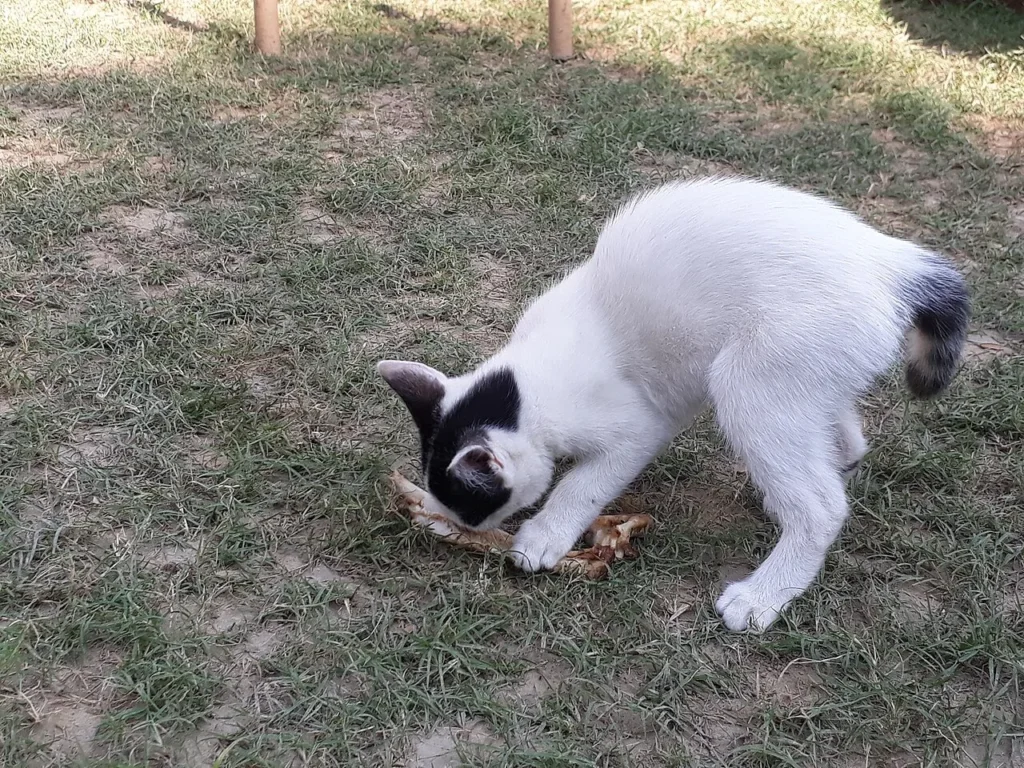
Imported wet food pouches cost ₹40 to ₹70 each, and a cat can eat two or three a day. Many Indian cat parents want a cheaper, fresher option from their own kitchen. That is possible, but cats are not small dogs. A cat is an obligate carnivore: it must get its nutrition from meat, and it needs a nutrient called taurine that only animal tissue provides. This guide gives you seven budget recipes using local fish and chicken, with the cost per week in rupees.
In this article
Key Takeaways
- Cats are obligate carnivores: home-cooked meals must be based on meat or fish, never vegetarian.
- Cats need taurine from heart, liver, dark meat and fish; cook lightly and keep the cooking water to preserve it.
- Balance phosphorus with a calcium source; meat alone causes bone problems over time.
- Moisture-rich meals help prevent urinary crystals.
- Never feed onion, garlic, cooked bones, grapes, chocolate or spiced leftovers.
Why taurine matters
Taurine is an amino acid that cats cannot make enough of on their own. Taurine deficiency causes heart muscle disease (dilated cardiomyopathy), blindness from retinal damage, and poor growth and breeding problems. Taurine is found mostly in heart, liver and dark meat, and in fish.
Taurine dissolves in water and is damaged by long cooking. If you boil chicken for 40 minutes and throw away the water, you throw away much of the taurine. Three rules preserve it:
- Cook lightly. Steam, or boil only until just cooked through, about 10 to 15 minutes.
- Keep the cooking water. Pour it back over the food as a broth.
- Always include organ meat, especially chicken heart, in every recipe.
The basic ratio for every meal

| Part of the meal | Share | Indian examples |
|---|---|---|
| Muscle meat | About 80% | Chicken thigh, boneless fish |
| Organ meat | About 10% (half of it liver) | Chicken liver and heart ratio: about 5% liver, 5% heart and gizzard |
| Other | About 10% | Egg, a little pumpkin, water or broth |
Too much liver causes vitamin A excess, so keep liver to about 5% of the meal, or once or twice a week.
7 low cost recipes (cost per week for one 4 kg cat)
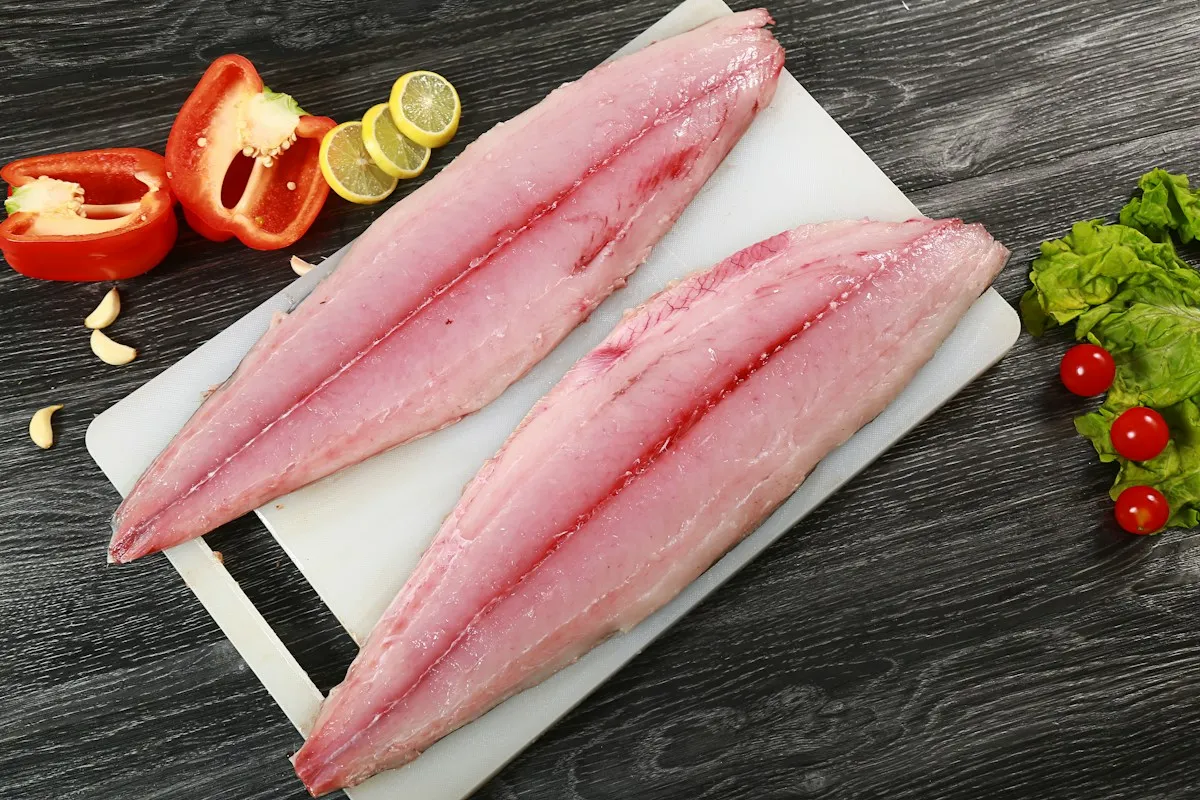
Prices are approximate local market prices and vary by city.
| # | Recipe | Main ingredients | Approx. cost per week |
|---|---|---|---|
| 1 | Chicken and heart mash | Boneless chicken thigh, chicken hearts, cooking broth | ₹250 to ₹350 |
| 2 | Chicken, gizzard and egg | Chicken, gizzards, 2 boiled eggs a week | ₹250 to ₹320 |
| 3 | Boiled mackerel (bangda) bowl | Bangda, deboned, with broth | ₹200 to ₹300 |
| 4 | Sardine (mathi / tarli) mix | Sardines, deboned, with chicken heart | ₹150 to ₹250 |
| 5 | Anchovy (natholi / kati) and chicken | Small anchovies with chicken thigh | ₹200 to ₹280 |
| 6 | Liver day bowl (once a week) | Chicken with liver and heart | ₹50 to ₹80 per day used |
| 7 | Hairball helper | Chicken with 1 teaspoon pumpkin puree | ₹250 to ₹350 |
How to make any of them: cut meat into small pieces, simmer in a little water for 10 to 15 minutes, debone fish fully, mix in the organ meat, and pour the cooking water back. Serve at room temperature. Store in the fridge for up to 2 days.
Because home diets can miss calcium, vitamins and taurine, ask your vet about adding a feline vitamin-mineral and taurine supplement for long-term home feeding. Raw fish should not be fed often, as it destroys vitamin B1 (thiamine). Always cook fish.
Phosphorus balance
Meat is high in phosphorus and low in calcium. A diet of meat alone, without bone or a calcium source, weakens bones over time. Your vet can recommend the right amount of calcium for your cat’s diet. Senior cats and cats with kidney disease need lower phosphorus, so check with your vet before changing their diet.
Moisture: the secret to preventing urinary crystals
Cats come from desert ancestors and drink very little water. Cats fed only dry food often live slightly dehydrated, which concentrates urine and leads to crystals and blockages. This is feline lower urinary tract disease (FLUTD), and blocked male cats are an emergency.
Wet vs dry food hydration: homemade food with broth is about 70 to 80% water, while kibble is only about 10%. That makes homemade or wet food one of the best ways to protect your cat’s bladder. Also:
- Keep water bowls away from the food bowl and litter box.
- Try a wide, shallow bowl or a water fountain.
- Add a few spoons of extra broth to each meal.
Go to the vet immediately if your cat strains in the litter box with little or no urine. This can be fatal within a day.
Pumpkin puree for hairballs
A teaspoon of plain boiled pumpkin puree a few times a week adds fibre that helps hair pass through the gut. Brushing your cat daily is even more effective.
Vegetarian cat food dangers
Some families try to feed cats rice, dal, milk and roti. Cats cannot live on a vegetarian diet. It leads to taurine deficiency, heart failure, blindness, skin problems and weight loss. Milk also gives most adult cats diarrhoea.
Foods never to give cats
Onion, garlic, chocolate, grapes and raisins, cooked bones, spicy curry, dog food as a regular diet, and lilies (the plant is deadly to cats).
🩺 Dr. Vaishnavi’s Clinical Picks (Available on Amazon India)
For days when you can’t cook, a complete commercial food keeps your cat’s taurine intake safe.
Complete, taurine-fortified food for adult cats
Complete wet food to mix with home-cooked meals
Complete cat food with taurine for days you can’t cook
As an Amazon Associate, I earn from qualifying purchases. This costs you nothing extra.
Frequently asked questions
Is homemade food better than packaged cat food?
A well-planned homemade diet with the right supplements can be excellent. A good packaged food is already balanced. Many owners combine both.
Can I feed my cat only fish?
No. Fish-only diets can cause vitamin deficiencies. Rotate fish with chicken and organ meat.
How much homemade food does a cat need daily?
An average 4 kg adult cat eats about 150 to 200 g of wet homemade food a day, split into 2 or 3 meals. Adjust to keep your cat lean.
Can cats eat rice?
A small amount of rice is not harmful, but cats do not need it. Keep the meal mostly meat.
Want a balanced homemade diet for your cat? Book a nutrition consultation with Dr. Vaishnavi Karmawat.
Related Articles
- How to Read Pet Food Labels in India: Complete and Balanced, Dry Matter, Life Stage and Marketing Claims
- What Can Cats Eat? Safe and Toxic Foods in Indian Homes
- Is My Dog or Cat Dehydrated? 1-Minute Gum and Skin Tent Check, ORS and When To See a Vet
- Cat Diarrhoea (Loose Motion): Causes, Why Milk Upsets Cats, Vet Treatment and Home Care
References
- WSAVA Global Nutrition Committee. Global Nutrition Guidelines.
- National Research Council. Nutrient Requirements of Dogs and Cats. Washington, DC: National Academies Press; 2006.
- ASPCA Animal Poison Control Center. People Foods to Avoid Feeding Your Pets.
More on Cat Food and Diet

What Human Food Can Cats Eat? Safe Meat, Fish and Eggs, and Toxic Foods To Avoid
What human food can cats eat? Safe cooked meat, fish and eggs, why milk, onion, garlic and raw fish harm cats, and…

How to Read Pet Food Labels in India: Complete and Balanced, Dry Matter, Life Stage and Marketing Claims
How to choose dog or cat food in India: label claims, guaranteed analysis, dry-matter maths, life stages, grain-free myths and WSAVA checks.