 Written and reviewed by Dr. Vaishnavi Karmawat, B.V.Sc. & A.H., Registered Veterinary Practitioner
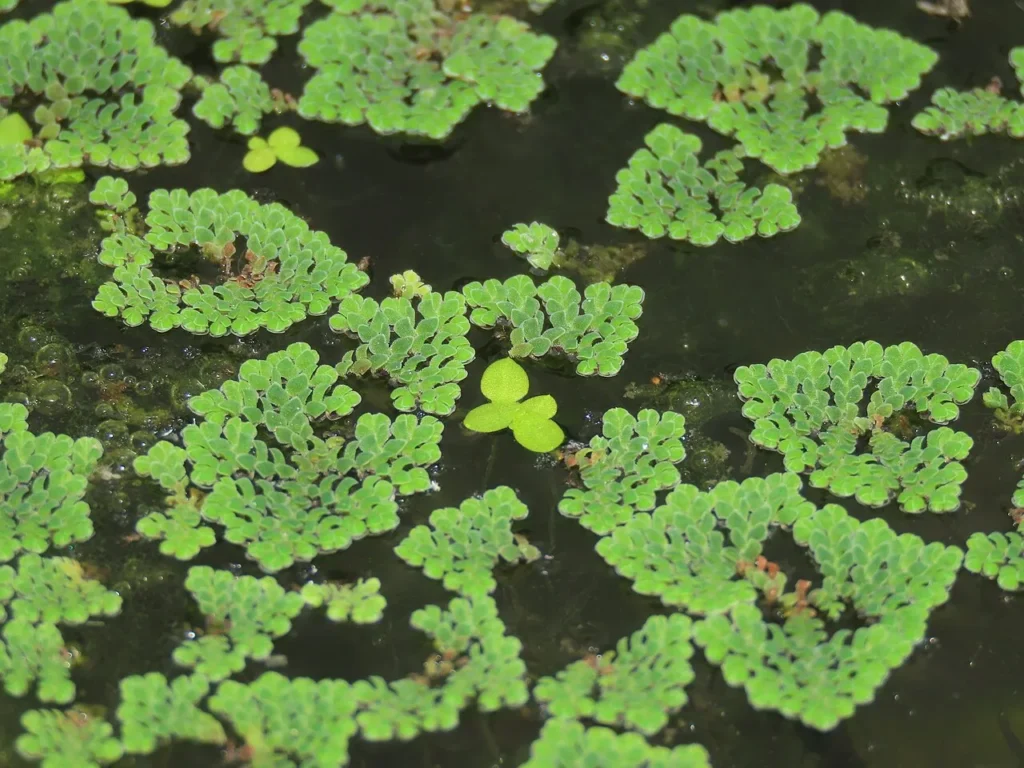
Green fodder is scarce for much of the year, and concentrate feed prices keep rising. Azolla pinnata, a small floating water fern, is one of the cheapest answers. It doubles in 3 to 5 days, contains about 25% crude protein on a dry basis, and is rich in essential amino acids, minerals and carotenoids (vitamin A). Many Indian dairy and goat farmers replace part of their concentrate with fresh Azolla and save money without losing milk.
In this article
- Why Azolla works as an unconventional protein supplement
- Bill of materials: one 6 ft x 4 ft Azolla bed (under ₹1,200)
- Step-by-step: how to make the Azolla pit
- Daily care and harvesting
- Washing away dung smell before feeding
- How much Azolla to feed
- Troubleshooting common Indian farm problems
- Frequently asked questions
- Related Articles
- References
Why Azolla works as an unconventional protein supplement
| Nutrient | Azolla (dry matter basis) |
|---|---|
| Crude protein | 21 to 25% |
| Minerals | Rich in calcium, phosphorus, potassium, iron |
| Vitamins | High in carotenoids (vitamin A precursor) and vitamin B12 |
| Fibre | Low, so easy to digest |
Fresh Azolla is about 90 to 95% water, so 1 kg fresh gives a small but valuable amount of protein.
Bill of materials: one 6 ft x 4 ft Azolla bed (under ₹1,200)
| Item | Quantity | Approx. cost |
|---|---|---|
| Silpaulin sheet (150 GSM or higher) | 1 sheet, about 8 ft x 6 ft | ₹500 to ₹700 |
| Bricks for the border (or dig a pit) | About 30 to 40 bricks, or own labour | ₹150 to ₹250 |
| 50% shade net | 8 ft x 6 ft | ₹150 to ₹200 |
| Fertile soil, sieved | 10 to 15 kg | Free |
| Fresh cow dung | 2 kg | Free |
| Single super phosphate (SSP) fertilizer | 30 to 50 g per batch | ₹20 |
| Azolla seed culture | 1 kg | ₹50 to ₹100 (or from a KVK) |
| Total | About ₹900 to ₹1,200 |
Step-by-step: how to make the Azolla pit
- Choose a shady place near water, protected from direct afternoon sun.
- Make the bed: dig a pit 6 ft long, 4 ft wide and 8 to 10 inches deep, or build a border with bricks at ground level. Level the floor and remove stones and roots.
- Line it with the silpaulin sheet, so the edges come over the bricks. This is the silpaulin sheet pit construction.
- Add soil: spread 10 to 15 kg of sieved fertile soil evenly over the sheet.
- Cow dung slurry inoculation: mix 2 kg of fresh cow dung and 30 g of single super phosphate in 10 litres of water, and pour it over the soil.
- Fill water to a depth of about 4 to 6 inches (10 cm).
- Add Azolla culture: spread 1 kg of fresh Azolla evenly on the water.
- Cover with 50% shade net on a simple frame. The shade net requirement is important in Indian summers.
Within 10 to 15 days the bed will be fully covered.
Daily care and harvesting
- Daily harvesting sieve: from day 15, harvest about 500 g to 1 kg of fresh Azolla every day with a plastic sieve or tray with holes.
- Every 5 days, add a mix of 1 kg cow dung and 20 g single super phosphate in water.
- Every month, replace about 25 to 30% of the water to prevent salt and nitrogen build-up.
- Every 6 months, empty the bed, replace the soil and restart with fresh culture.
- Keep the water level at 4 to 6 inches at all times.
Washing away dung smell before feeding
Animals may refuse Azolla at first because of the cow dung smell. Always wash the harvested Azolla 2 to 3 times in clean water in a bucket or sieve until the smell is gone. Washing also removes small snails and soil.
How much Azolla to feed
| Animal | Fresh Azolla per day |
|---|---|
| Dairy cow or buffalo | 1.5 to 2 kg |
| Goat | 200 to 300 g |
| Calf | 300 to 500 g |
| Backyard poultry | 20 to 30 g per bird |
Mixing ratio with concentrate: mix fresh Azolla with the concentrate in a 1:1 ratio by weight at first so animals accept it. Many farmers then replace about 15 to 25% of their concentrate with Azolla. Introduce it slowly over 7 to 10 days.
Troubleshooting common Indian farm problems
| Problem | Cause | Fix |
|---|---|---|
| Azolla turning brown or red | Extreme summer heat, too much sun, or phosphorus shortage | Add more shade, deepen water, add SSP; replace part of the water |
| Azolla not growing | Low nutrients or too crowded | Add dung and SSP; harvest regularly |
| Maggots or insects in the bed | Too much dung, stagnant water | Reduce dung, change some water, sprinkle neem leaf extract |
| Bad smell | Rotting Azolla, too much dung | Harvest daily; replace water and soil |
| Water leaking | Torn sheet | Replace or patch silpaulin |
🩺 Dr. Vaishnavi’s Clinical Picks (Available on Amazon India)
A simple lining is all you need to start an azolla pit.
Waterproof lining for an azolla pit
As an Amazon Associate, I earn from qualifying purchases. This costs you nothing extra.
Frequently asked questions
How much milk increase can Azolla give?
Farmers commonly report a 10 to 15% rise in milk or a saving of 15 to 25% in concentrate cost when Azolla replaces part of the dana.
Can goats eat Azolla daily?
Yes, 200 to 300 g of washed fresh Azolla a day, mixed with other feed.
Where can I get Azolla culture?
From your nearest Krishi Vigyan Kendra (KVK), veterinary university, or a neighbouring farmer’s bed.
Does Azolla grow in winter?
Growth slows in severe cold. Keep the water deeper and remove the shade net on cold days.
Want to cut feed costs on your farm? Contact Dr. Vaishnavi Karmawat for a feed plan.
Related Articles
- Bloat (Afara) in Cows and Goats: Emergency Treatment at Home
- Repeat Breeding in Crossbred Cows: 7 Causes and Vet Treatment
- PPR (Goat Plague) in Goats and Sheep: Symptoms, Care, and Free Vaccine
- Winter Care for Cows and Buffaloes: Keep Milk Yield Up
References
- Pillai PK, Premalatha S, Rajamony S. Azolla: a sustainable feed for livestock. LEISA Magazine. 2002;18(1):15-17.
- Wagner GM. Azolla: a review of its biology and utilization. The Botanical Review. 1997;63(1):1-26.
More on Cows and Buffaloes
Cows Eating Plastic: Symptoms, Treatment, and Prevention
Cows often swallow plastic and festival waste. Learn the signs of plastic in the stomach, how vets treat it and how to…
Repeat Breeding in Crossbred Cows: 7 Causes and Vet Treatment
Cow not conceiving after 3 AI cycles? Understand repeat breeding in crossbred cows causes and treatment in India, from subclinical endometritis to…
One Response