 Written and reviewed by Dr. Vaishnavi Karmawat, B.V.Sc. & A.H., Registered Veterinary Practitioner
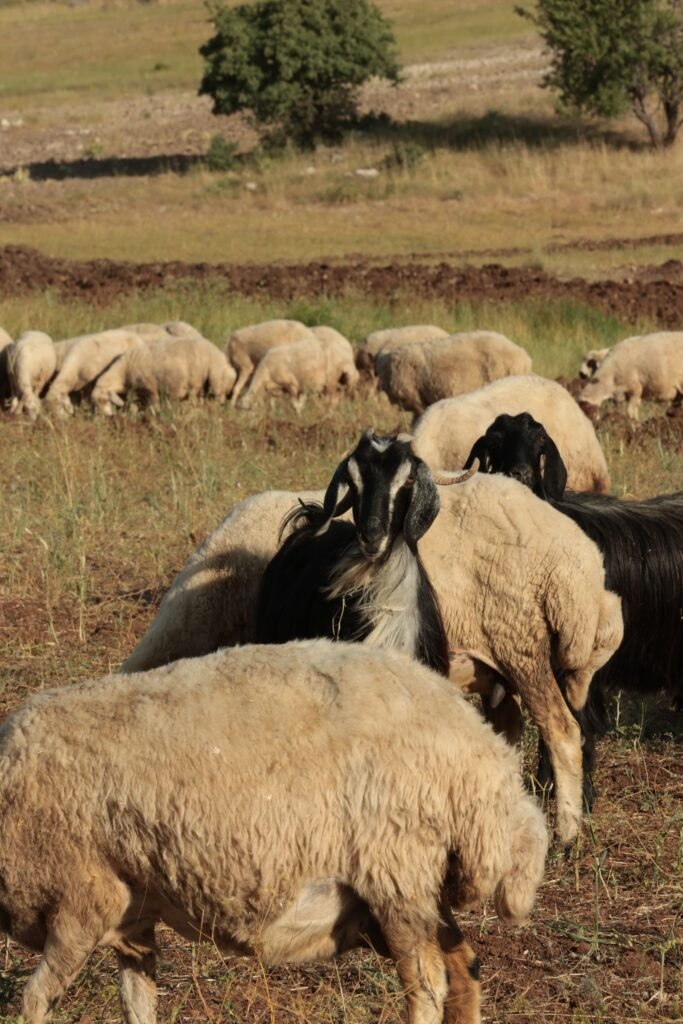
Internal parasites are the most common health problem in goats and sheep across India. Stomach and intestinal worms feed on blood and nutrients, slowing growth, reducing milk and making animals weak. The barber's pole worm (Haemonchus) is especially dangerous because it sucks blood and can kill young animals through anaemia, particularly in the monsoon.
In this article
Key Takeaways
- The barber’s pole worm (Haemonchus) is the main killer of goats and sheep in India, causing anaemia and bottle jaw, especially in the monsoon.
- Check inner eyelid colour (FAMACHA) and treat the pale animals, rather than drenching the whole flock every month.
- Different parasites need different drugs: roundworm dewormers do not kill liver flukes or rumen flukes.
- Goats break down many dewormers faster than sheep, so they often need a higher, vet-advised dose.
- Test whether your dewormer still works with a faecal egg count before and 10 to 14 days after treatment; less than a 95% drop means resistance.
Signs your animals may have worms
- Weight loss or poor growth despite good feed
- Pale pink or white inner eyelids and gums instead of a healthy red
- Soft swelling under the jaw (bottle jaw)
- Diarrhoea and dirty hindquarters
- Dull, rough coat and weakness
- Coughing, in the case of lungworms
- Sudden deaths in kids and lambs during heavy outbreaks
The eyelid colour check
Checking the colour of the inner lower eyelid is a quick, free way to spot anaemia from blood-sucking worms. Gently pull down the lower lid:
- Bright red to red-pink: good
- Pink: keep watching
- Pale pink to white: anaemia; the animal needs deworming and a vet check
This method (known as FAMACHA) lets you treat the animals that need it instead of the whole flock every time.
When to deworm
Worm numbers on pasture rise sharply in warm, wet months. Many vets advise:
- Deworming before the monsoon and after the monsoon
- Extra treatment for animals with pale eyelids, bottle jaw or poor condition
- Special attention to kids and lambs, pregnant animals close to delivery and newly purchased animals
Your vet can test dung samples (a faecal egg count) to show whether treatment is really needed and whether the dewormer is working.
Which medicine for which parasite?
| Parasite | Common drug groups that work | Notes |
|---|---|---|
| Barber’s pole worm and other stomach worms | Benzimidazoles (albendazole, fenbendazole), levamisole, macrocyclic lactones (ivermectin), closantel | Resistance to benzimidazoles is widespread in India; closantel acts mainly on blood-sucking worms |
| Tapeworms (Moniezia) | Praziquantel; albendazole at higher doses | Segments look like rice grains in dung; mainly a problem in young animals |
| Liver fluke (Fasciola) | Triclabendazole (kills young and adult flukes); oxyclozanide or closantel (adults) | Common where animals graze near ponds, canals and waterlogged land |
| Rumen flukes (amphistomes) | Oxyclozanide | Young flukes cause severe diarrhoea in kids and lambs after grazing near water |
| Lungworms | Levamisole, ivermectin, fenbendazole | Persistent cough, worse in cool, damp weather |
| Coccidia (not worms) | Amprolium, toltrazuril, sulphonamides | Dewormers do not work; diarrhoea in kids aged 3 weeks to 4 months |
Goats are not small sheep
Goats break down several dewormers in the liver faster than sheep do. Parasitology guidelines therefore often advise a higher dose for goats: commonly about twice the sheep dose for benzimidazoles and ivermectin, and about one and a half times for levamisole. Levamisole has a narrow safety margin, so never increase any dose without your vet’s advice, and dose by weighed or tape-measured body weight.
Doing it right
- Weigh animals, or estimate weight carefully, and dose for the heaviest animal in each group; underdosing leaves worms behind and builds resistance
- Use the right product for the species: goats often need different doses from sheep and cattle; follow your vet's advice
- Give the drench slowly over the back of the tongue so it is swallowed fully
- Record the date, product, dose and animals treated
- Follow withdrawal periods for milk and meat
Avoiding resistance
Using dewormers too often, or always the same one, breeds worms that the medicine no longer kills. To slow this down:
- Deworm based on need and signs, not on a fixed monthly routine
- Change the class of dewormer only on your vet's advice
- Quarantine and deworm new animals before they join the flock
- Rotate grazing areas and avoid grazing very short grass, where worm larvae are concentrated
- Avoid grazing early in the morning in the wet season when larvae climb up dewy grass
- Keep feed and water troughs off the ground
Is your dewormer still working? The egg count reduction test
- Choose 10 to 15 animals that have not been dewormed for at least 8 weeks.
- Collect fresh dung samples directly from the rectum, label each animal, and take them to a vet lab for a faecal egg count.
- Deworm those animals with the product you want to test, at the correct dose for their weight.
- Repeat the egg count 10 to 14 days later (7 days for levamisole).
- Calculate the fall in egg count. A reduction of 95% or more means the drug works; less than 95% suggests resistance, and less than 90% means the drug is failing on your farm.
Targeted selective treatment and refugia
Worms that are never exposed to a dewormer (for example in untreated healthy animals or on pasture) are called refugia. They stay susceptible and dilute resistant worms. Treating only the animals that need it, using the eyelid check, body condition and dung tests, keeps refugia alive and helps your dewormers work for longer. Avoid deworming the whole flock and then moving it straight onto a clean pasture; only resistant worms survive to seed the new pasture.
Five-point check at every handling
| Point | What to look for |
|---|---|
| Eye | Pale inner eyelid (anaemia, barber’s pole worm) |
| Jaw | Soft swelling under the jaw (bottle jaw) |
| Back | Thin body condition along the spine and loin |
| Tail | Dirty hindquarters (scouring) |
| Nose | Nasal discharge (nasal bots, lungworm, infection) |
Other parasites
- Liver flukes occur in animals grazing near water and marshy land
- Tapeworms may be seen as white segments in dung
- Coccidiosis causes diarrhoea in young kids and lambs, especially in damp, crowded pens
Your vet can tell which parasites are present and choose the right treatment.
Flukes and the monsoon
Liver and rumen flukes need water snails to complete their life cycle. Animals that graze around ponds, canals, paddy fields and waterlogged pasture after the monsoon are most at risk. Fence off or avoid such areas where you can, cut fodder from them rather than grazing it, and ask your vet about a fluke treatment in late monsoon and winter if your area has a history of fluke.
Good nutrition helps
Well-fed animals with enough protein and minerals resist worms better and recover faster. Combine deworming with good feeding and vaccination.
🩺 Dr. Vaishnavi’s Clinical Picks (Available on Amazon India)
Useful tools for farmers working on this. For a sick animal, call your vet first.
Gives liquid dewormers and medicines by mouth without waste
Mark treated animals or note heat signs on the tail head
As an Amazon Associate, I earn from qualifying purchases. This costs you nothing extra.
Dr. Vaishnavi’s advice: I encourage goat and sheep keepers to check eyelid colour every time they handle their animals and to treat the pale ones, rather than drenching the whole flock every month. Once a year, ask your vet to test whether your dewormer still works; it is the cheapest way to protect your flock and your money.
Frequently asked questions
How often should I deworm goats?
There is no single fixed interval. Many vets advise deworming before and after the monsoon and treating individual animals with pale eyelids. A dung test gives the best guidance.
Can I deworm a pregnant goat?
Some dewormers are not safe in pregnancy. Always ask your vet before deworming pregnant animals.
Why are my goats still thin after deworming?
The worms may be resistant, the dose may have been too low, or there may be another problem such as poor feeding or disease. Ask your vet for a dung test.
Is the same dewormer used for goats and sheep?
Many products are used in both, but doses can differ, especially for goats. Follow your vet's advice for each species.
Recommended reading
- Dr. Vaishnavi’s animal-care books are available on her Amazon author page.
- See all titles on the Books page.
Related Articles
- Goat Vaccination and Deworming Schedule Chart for India
- PPR (Goat Plague) in Goats and Sheep: Symptoms, Care, and Free Vaccine
- Bloat (Afara) in Cows and Goats: Emergency Treatment at Home
- How To Grow Azolla for Cows and Goats in India: Step by Step
References
- ICAR-Central Institute for Research on Goats, Makhdoom. Goat health management and vaccination calendar.
- Kaplan RM, et al. Validation of the FAMACHA eye color chart for detecting clinical anemia in sheep and goats on farms in the southern United States. Veterinary Parasitology. 2004;123(1-2):105-120.
- Merck Veterinary Manual. Gastrointestinal Parasites of Sheep and Goats.
More on Goats and Sheep

Pneumonia in Goats and Kids: Symptoms, Treatment, and Winter Care
Pneumonia kills many goat kids in winter. Learn the early signs, treatment your vet may give, and simple housing steps to prevent…

PPR (Goat Plague) in Goats and Sheep: Symptoms, Care, and Free Vaccine
PPR spreads fast through goats and sheep. Learn the symptoms, how to care for sick animals, how to stop the spread and…