 Written and reviewed by Dr. Vaishnavi Karmawat, B.V.Sc. & A.H., Registered Veterinary Practitioner

Canine distemper is one of the most serious viral diseases a dog can catch. In India, where many puppies come from the street, from breeders who skip vaccines, or from homes with unvaccinated mothers, vets still see distemper regularly, often in pups only a few months old.
In this article
Distemper can look like a simple cold at first. By the time the twitching and seizures start, the virus has already reached the brain. Here is how distemper spreads, the two stages of symptoms, how vets diagnose and treat it, and how the DHPPi vaccine protects your dog.
Key Takeaways
- Canine distemper is a highly contagious, often fatal virus that attacks the respiratory system, gut, skin and nervous system of dogs.
- It spreads mainly through coughing and sneezing, and through shared bowls, bedding and contact with infected dogs.
- Early signs include fever, thick yellow-green eye and nose discharge, cough, vomiting and diarrhoea. Later signs include muscle twitching, “chewing-gum” fits, seizures and hard, cracked paw pads and nose.
- There is no medicine that kills the virus. Treatment is intensive supportive care, and dogs that survive the neurological stage often have lifelong twitching or seizures.
- Distemper is almost entirely preventable with a complete puppy vaccine series (DHPPi) and on-time boosters.
What Is Distemper in Dogs?
Canine distemper is caused by canine distemper virus (CDV), a morbillivirus in the same family as the human measles virus. It infects dogs and many wild carnivores, including foxes, jackals, wolves, mongooses and big cats. There is no evidence that it infects people.
After a dog breathes in the virus, it multiplies first in the tonsils and lymph nodes of the throat. Within about a week it spreads through the blood to the whole body. It attacks the lining cells (epithelium) of the airways, gut, skin, eyes and urinary tract, and it destroys white blood cells, leaving the dog with a weak immune system. In many dogs the virus then crosses into the brain and spinal cord.
This combination of organ damage and immune suppression is why distemper is so dangerous: dogs often die not only from the virus itself but from secondary bacterial pneumonia and other infections.
How Do Dogs Get Distemper?
Distemper spreads mainly through respiratory droplets when infected dogs cough or sneeze. The virus is also present in eye and nose discharge, saliva, urine and stool.
- Direct contact with an infected dog, including sniffing and play
- Shared food and water bowls, bedding and toys
- From mother to puppies, including across the placenta before birth
- Contact with infected wildlife, such as jackals and foxes on the edge of towns and farms
The good news is that the virus is fragile outside the body. It survives only hours at warm room temperature and is killed by sunlight, drying and ordinary disinfectants. That means most infections come from close contact with sick dogs rather than from the environment.
Which dogs are at highest risk?
- Puppies between about 3 and 6 months old, when protection from the mother’s milk is fading and vaccination is not yet complete
- Unvaccinated or partly vaccinated dogs of any age
- Rescued street puppies and pups bought from pet shops or unregistered breeders
- Dogs in shelters, boarding kennels and crowded colonies
- Dogs with weak immunity from malnutrition, heavy worm burdens or other illness
Symptoms of Distemper in Dogs
Distemper symptoms usually appear about 1 to 2 weeks after infection. Some dogs have such a mild illness that it goes unnoticed, while others become severely ill. The disease typically progresses in two overlapping stages.
Stage 1: Respiratory and digestive signs
A first spike of fever often happens 3 to 6 days after infection and passes unnoticed. A second fever comes with the visible signs:
- Thick yellow or green eye discharge (pus) and crusty eyelids, often the first sign owners notice
- Thick nasal discharge and sneezing
- Coughing, fast breathing and, often, pneumonia
- Fever, dullness and loss of appetite
- Vomiting and diarrhoea, sometimes with blood, leading to dehydration
- Small pus-filled spots (pustules) on the belly skin of puppies
At this stage distemper is easily mistaken for kennel cough, conjunctivitis or a simple viral fever. A puppy with pus from both eyes, a cough and diarrhoea should always be checked for distemper.
Stage 2: Skin and neurological signs
Neurological signs may appear during the first stage, or weeks to months later, when the dog seems to be recovering. Once the virus reaches the brain, the outlook becomes much more guarded.
- Myoclonus: rhythmic, jerky twitching of one muscle group, often a leg, the jaw or the head. It typically continues even when the dog is asleep.
- “Chewing-gum” fits: repeated chomping or champing of the jaw with drooling, a type of focal seizure classic for distemper
- Generalised seizures (fits)
- Wobbly walking, weakness or paralysis of the back legs
- Head tilt, circling, flickering eyes (nystagmus)
- Sudden blindness from inflammation of the optic nerves
- Behaviour changes, such as confusion, pacing or head pressing
“Hard pad disease”
Some dogs develop hyperkeratosis: thickening and hardening of the paw pads and nose, which may crack. Owners sometimes notice a clicking sound as the dog walks on a hard floor. This sign helps vets distinguish distemper from other causes of fits and cough.
Long-term effects in survivors
- Persistent twitching (myoclonus) for life
- Recurring seizures (epilepsy)
- Pitted, brown, poorly formed tooth enamel (enamel hypoplasia) in dogs infected as young puppies
- Dry eye and recurring eye infections
- Rarely, “old dog encephalitis”, a slow brain disease appearing years later
| Sign | Distemper | Kennel cough | Parvovirus |
|---|---|---|---|
| Eye discharge | Thick yellow-green pus, both eyes | Usually mild or clear | Not typical |
| Cough | Common, often with pneumonia | Classic dry “honking” cough | Not typical |
| Diarrhoea | Common | Rare | Severe, often bloody, foul-smelling |
| Twitching or fits | Common in later stages | No | Rare (low sugar or late stage) |
| Hard paw pads and nose | Yes, in some dogs | No | No |
Read more about why dogs cough, eye discharge in dogs, and muscle twitching and spasms.
How Vets Diagnose Distemper
Distemper is suspected from the dog’s age, vaccination history and combination of signs. Because these overlap with other illnesses, tests help confirm it:
- Rapid antigen test kits, widely used in Indian clinics on eye discharge or blood. They give an answer in minutes, but a negative result does not fully rule distemper out.
- RT-PCR on a conjunctival (eye) swab, whole blood, urine or cerebrospinal fluid, the most reliable test. A dog vaccinated with a live vaccine in the previous few weeks can test positive, so tell your vet when the last vaccine was given.
- Blood tests, which often show low lymphocytes (a type of white blood cell) and sometimes viral inclusion bodies in blood cells.
- Chest X-rays to check for pneumonia.
- Spinal fluid analysis or MRI in dogs with neurological signs, at referral centres.
Treatment of Distemper in Dogs
There is no antiviral drug that cures distemper. Treatment supports the dog’s body while its immune system fights the virus, and controls complications. Most dogs with more than mild signs need hospitalisation or daily treatment at the clinic.
- Fluids through a drip to correct dehydration from fever, vomiting and diarrhoea, with electrolytes and sugar as needed
- Antibiotics for secondary bacterial pneumonia and other infections. These do not kill the virus, but secondary infections are a major cause of death.
- Breathing support: nebulisation, gentle chest physiotherapy (coupage) and oxygen for severe pneumonia
- Anti-vomiting and gut-protecting medicines
- Nutrition support, including appetite stimulants or a feeding tube for dogs that will not eat
- Anti-seizure medicines such as phenobarbital or levetiracetam for fits, and sometimes for severe chewing-gum seizures
- Eye care: cleaning discharge and lubricating or antibiotic eye drops prescribed by the vet
Sadly, when seizures cannot be controlled or the dog is suffering without hope of recovery, vets may discuss humane euthanasia.
Nursing a dog with distemper at home

Once your vet says your dog can be cared for at home, good nursing makes a real difference:
- Isolate the dog in a warm, quiet, well-ventilated room away from other dogs.
- Clean the eyes and nose several times a day with cotton soaked in lukewarm boiled water or sterile saline, using a fresh piece for each eye.
- Help breathing with steam: sit with your dog in a closed bathroom with a hot shower running for 10 to 15 minutes, if your vet agrees.
- Offer warm, soft, tasty food in small portions and keep fresh water nearby. Track how much your dog eats and drinks.
- Keep the dog warm and dry, especially in winter, and turn a weak dog from side to side every few hours.
- Make the space seizure-safe: a low padded bed, away from stairs and furniture. See our dog seizure first-aid guide.
- Give every medicine exactly as prescribed and keep all follow-up visits.
- Watch for signs of dehydration, laboured breathing or more frequent fits, and call your vet straight away if they appear.
Can a Dog Recover From Distemper?
Yes, some dogs recover, especially adult dogs with mild respiratory signs that get early treatment. The outlook is much poorer in young puppies and in dogs that develop neurological signs. Even after recovery, twitching and seizures may remain for life, though many such dogs still live comfortable lives with medication.
How long is a dog with distemper contagious?
Infected dogs usually shed the virus for at least 2 weeks, and some, especially those with neurological signs, shed it for up to 3 to 4 months. Keep a recovering dog away from other dogs, particularly puppies and unvaccinated dogs, until your vet confirms it is safe.
Cleaning your home after distemper
Wash bedding and bowls in hot water and detergent. Clean floors and hard surfaces, then disinfect with a diluted household bleach solution (about 1 part bleach to 30 parts water) or a veterinary disinfectant. Because the virus does not survive long in the environment, a thorough clean and a few weeks’ wait are usually enough before bringing in a new, fully vaccinated puppy. Ask your vet for advice for your situation.
How To Prevent Distemper in Dogs
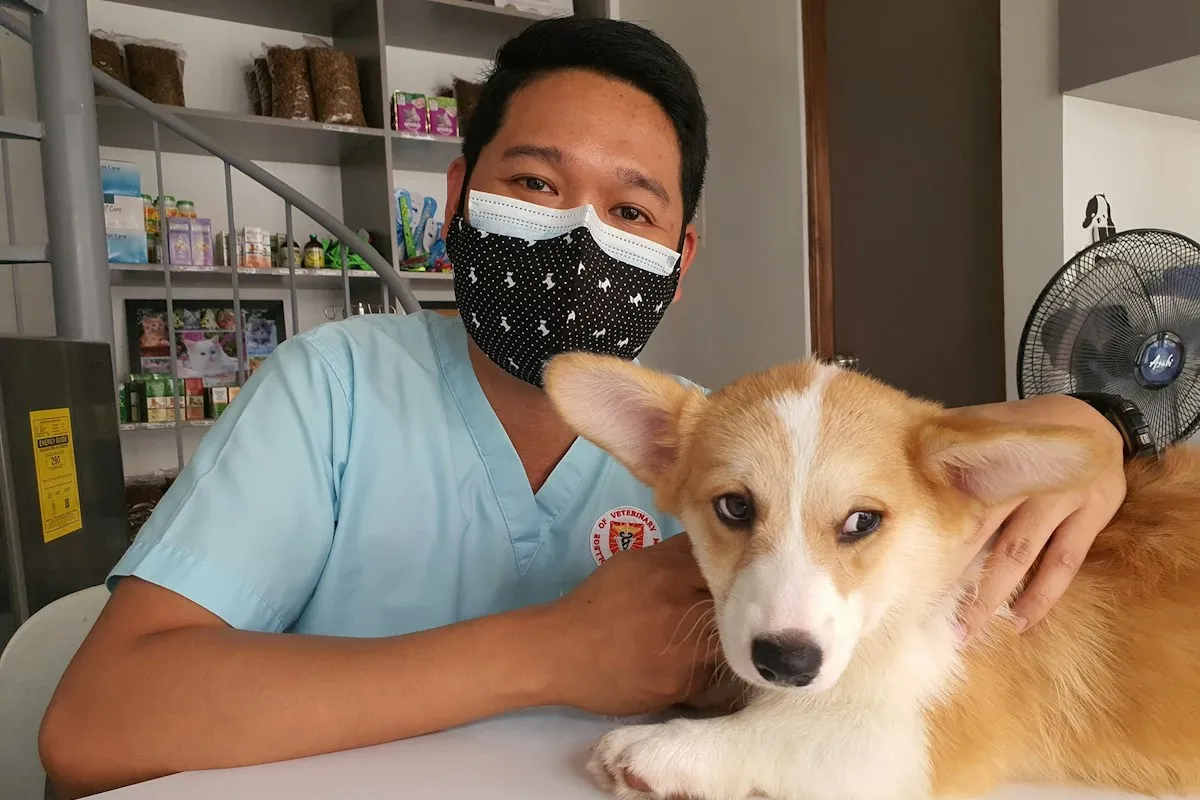
Vaccination is by far the best protection. Distemper is part of the core combination vaccine, often labelled DHPPi or DHPPi+L in India (distemper, hepatitis/adenovirus, parvovirus, parainfluenza, plus leptospirosis).
| Age | Vaccine |
|---|---|
| 6–8 weeks | First DHPPi |
| Every 3–4 weeks | Repeat DHPPi until the puppy is at least 16 weeks old |
| 6 months to 1 year | Booster |
| Adult dogs | Boosters as advised by your vet (commonly every 1 to 3 years) |
Puppies need a series of shots because antibodies from the mother’s milk can block a single early vaccine. A puppy is not fully protected until about 2 weeks after its final puppy vaccine. Until then, avoid parks, streets and contact with unknown dogs. See our full puppy vaccination schedule for India.
- Make sure a new puppy’s vaccination card is genuine and up to date, and repeat the series if in doubt.
- Vaccinate breeding females before pregnancy so puppies get stronger maternal protection.
- Keep newly adopted street pups separate from your other dogs for 2 weeks and get them checked.
- Support community vaccination drives for street dogs in your area.
Frequently Asked Questions
Can a vaccinated dog get distemper?
It is uncommon. Most cases occur in dogs that are unvaccinated, received only one or two puppy shots, or whose vaccines were stored badly (vaccines must be kept cold). Completing the series and giving boosters on time gives strong protection.
Can humans or cats catch distemper from dogs?
No. Canine distemper does not infect people. Cats do not get canine distemper; “feline distemper” is a different disease caused by feline panleukopenia virus.
Is the twitching from distemper painful?
Myoclonus itself is not usually painful, and many dogs live with it comfortably. Your vet may try medicines to reduce it, although it often does not disappear completely.
How long does distemper last?
The respiratory and digestive stage usually lasts 1 to 3 weeks. Neurological signs can appear later and may last for months or for life.
Can a puppy with distemper be saved?
Some can, particularly with early, intensive veterinary care. Puppies that develop seizures have a poorer outlook. Take any puppy with eye discharge, cough and fever to a vet without delay.
This article is for education and does not replace veterinary advice. If you suspect distemper, keep your dog away from other dogs and contact your vet immediately.
Related Articles
- Parvo in Dogs and Puppies: Stages, Treatment, Recovery Diet and Home Care (Day by Day)
- Heartworm in Dogs and Cats in India: Life Cycle, Stages, Tests, Treatment and Prevention
- Kidney Disease in Dogs and Cats: IRIS Stages, Symptoms, Renal Diet and Treatment
- Dog Bad Breath, Tartar and Bleeding Gums: 4 Stages of Dental Disease and Daily Brushing Guide
References
- Tupler T. Distemper in Dogs: Symptoms, Causes and Treatment. PetMD.
- Coates J. 5 Signs of Canine Distemper in Dogs. PetMD.
- Greene CE, Vandevelde M. Canine distemper. In: Sykes JE, ed. Infectious Diseases of the Dog and Cat. 5th ed. Elsevier, 2023.
- Squires RA, et al. 2024 guidelines for the vaccination of dogs and cats. World Small Animal Veterinary Association (WSAVA).
- Martella V, Elia G, Buonavoglia C. Canine distemper virus. Veterinary Clinics of North America: Small Animal Practice, 2008;38(4):787–797.
- Merck Veterinary Manual. Canine Distemper.
More on Dog Diseases and Infections

Metronidazole (Metrogyl, Flagyl) for Dogs and Cats: When Vets Use It for Loose Motion and Giardia, and Why Overdose Causes Wobbling
Metronidazole for dogs and cats: uses for Giardia and gut infections, when it is not needed, giving the bitter pill, and neurotoxicity…

Congestive Heart Failure in Dogs: Night Coughing, Sleeping Breath Count, Stages and Heart Care for Senior Dogs
Heart failure in dogs: mitral valve disease vs DCM, stages, murmurs, cough and fast breathing, medicines, and counting sleeping breaths at home.