 Written and reviewed by Dr. Vaishnavi Karmawat, B.V.Sc. & A.H., Registered Veterinary Practitioner

PPR (peste des petits ruminants), known in villages as goat plague or *bakri plague*, is one of the biggest killers of goats and sheep in India. It spreads quickly through a flock, and in goats without immunity many animals can die within one to two weeks. Outbreaks are often seen in the cooler months and after animals are bought, sold or taken to markets and fairs. PPR cannot be cured, but it can be prevented with a vaccine that the government gives free under its PPR Eradication Programme, which aims to wipe out the disease from India by 2030.
In this article
Key Takeaways
- PPR (goat plague) is a viral disease that can kill many goats in a flock within one to two weeks.
- Fever, eye and nose discharge, mouth sores, diarrhoea and pneumonia are the classic signs.
- It spreads through close contact, markets, shared grazing and newly bought animals.
- There is no cure, but a free government vaccine protects goats and sheep; India aims to eradicate PPR by 2030.
- Isolate sick animals, quarantine new ones, and call your vet hospital at the first signs.
What is PPR?
PPR is caused by a virus related to the one that once caused cattle plague (rinderpest). It mainly affects goats and sheep; goats usually get much sicker. Cattle and buffaloes can carry the virus without showing illness. PPR does not infect people.
How PPR spreads
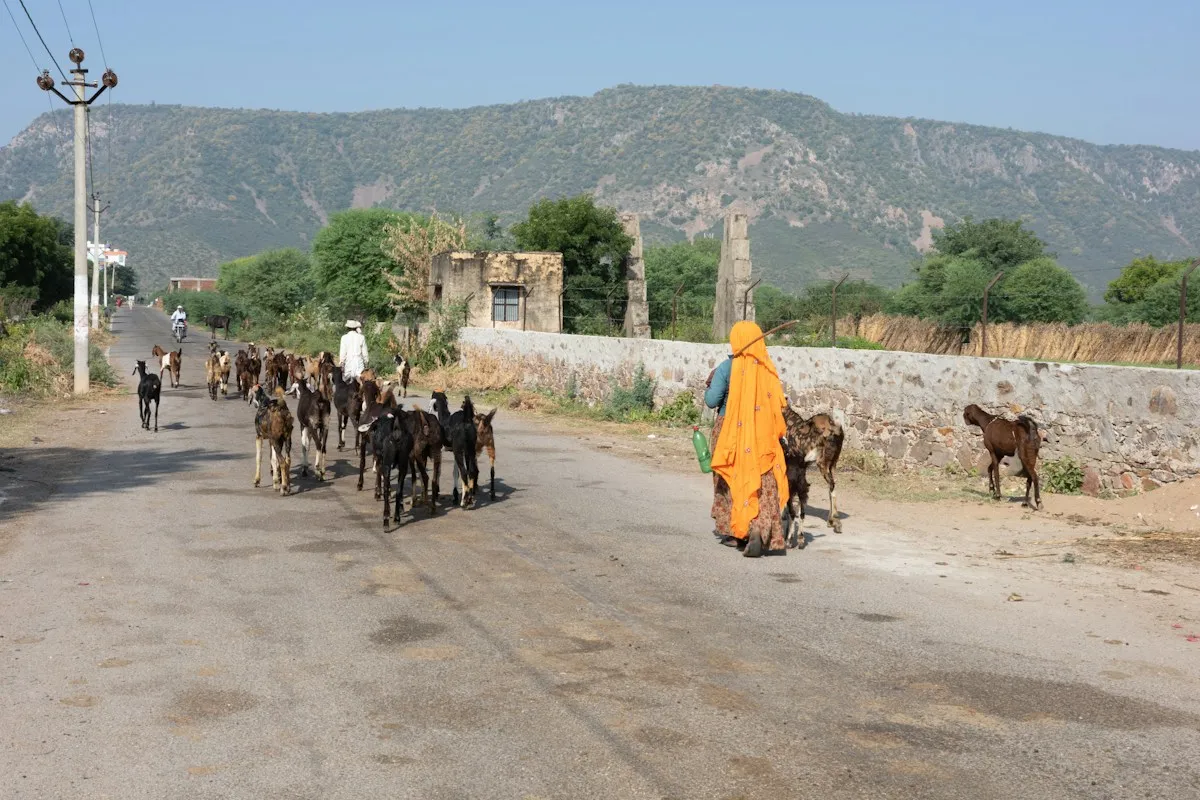
- Close contact with sick animals, especially their coughs, sneezes, nasal and eye discharge, and dung
- Mixing flocks at markets, fairs, shared grazing and water points
- Newly bought animals that look healthy but are already infected
- Contaminated feed troughs, water, bedding and the hands and clothes of people
Symptoms of PPR
| Stage | What you may see |
|---|---|
| Early (first 2 to 3 days) | Sudden high fever, often 104 to 106°F (40 to 41°C), dullness, not eating |
| Discharges | Watery eyes and nose that become thick and sticky; crusts block the nostrils |
| Mouth sores | Painful sores and dead tissue on gums, tongue and lips; foul smell; drooling |
| Diarrhoea | Severe, watery, often foul-smelling diarrhoea leading to dehydration |
| Breathing | Cough and fast, laboured breathing as pneumonia sets in |
| Outcome | Many goats die within about a week; pregnant animals may abort |
If several goats or sheep get fever, runny eyes and nose, mouth sores and diarrhoea together, suspect PPR. Separate them immediately and call your vet or the 1962 helpline.
PPR can look like other diseases such as pneumonia (pasteurellosis), goat pox or FMD, so your vet may take swabs or samples to confirm it. PPR is a notifiable disease, so cases are reported to the animal husbandry department.
Caring for sick animals
There is no medicine that kills the PPR virus. Good nursing and vet treatment for secondary infections can save many animals, especially adults.
- Isolate sick animals in a clean, dry, sheltered pen away from the healthy flock.
- Keep them warm and out of cold wind, especially at night.
- Offer clean drinking water and an oral electrolyte solution to fight dehydration, as your vet advises.
- Give soft, tasty feed: tender green leaves, soaked grain or gruel that is easy to eat with a sore mouth.
- Gently clean the eyes, nose and mouth with clean water or a mild antiseptic solution recommended by your vet, so animals can breathe and eat.
- Ask your vet about antibiotics for pneumonia and secondary infections, and other supportive treatment.
Do not force-feed or drench animals that are struggling to breathe or swallow.
Stopping PPR spreading in your flock
- Do not buy, sell or move animals during an outbreak in your area
- Keep new animals separate for 21 days before mixing them with your flock
- Keep healthy animals away from shared grazing and water used by sick flocks
- Clean and disinfect pens, troughs and equipment, and remove dung and bedding regularly
- Wash hands and change clothes after handling sick animals
- Bury dead animals deep with lime, away from water sources; do not leave carcasses in the open
Prevention: free PPR vaccination
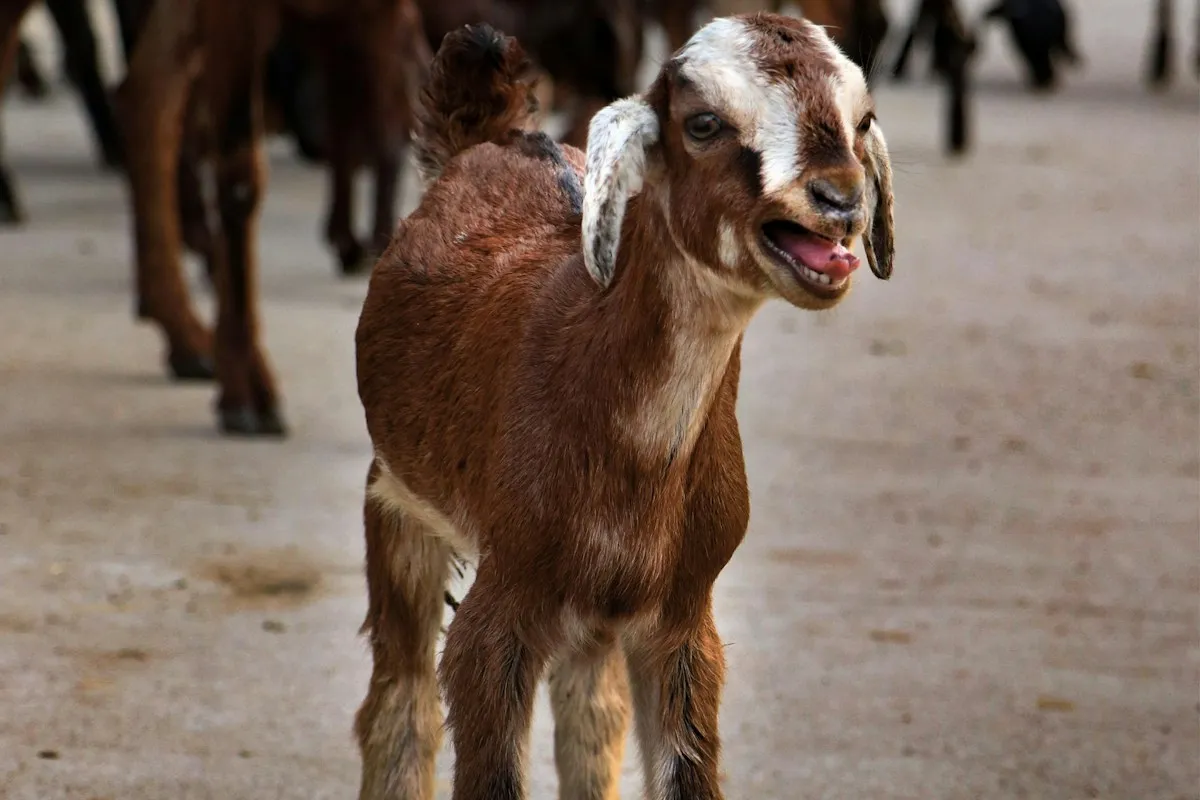
The government vaccinates goats and sheep free of charge under the PPR Eradication Programme.
| What | Details |
|---|---|
| Who | Goats and sheep |
| First vaccination | From about 4 months of age |
| Protection | A single dose gives long-lasting protection; your vet will advise on boosters for your flock |
| Cost | Free under the government programme |
| Where | Government vaccination drives, your local veterinary hospital, or by calling 1962 |
- Vaccinate every goat and sheep, including newly bought animals and kids that have reached vaccination age
- Healthy animals respond best; deworm a couple of weeks before vaccination where possible. See our goat and sheep deworming guide
- Keep vaccination records and ear tags safe for insurance and compensation
- Follow the full goat and sheep vaccination schedule, which also covers goat pox, enterotoxaemia and FMD
Common myths
| Myth | Fact |
|---|---|
| "PPR is just a cold; it will pass." | PPR can kill most of an unvaccinated goat flock within days. |
| "Only weak goats get PPR." | Healthy, well-fed goats also die if they are not vaccinated. |
| "Antibiotics cure PPR." | Antibiotics only treat secondary infections; the virus has no cure. |
| "Vaccination makes goats sick." | Approved vaccines are safe; mild short-term dullness can occur. |
🩺 Dr. Vaishnavi’s Clinical Picks (Available on Amazon India)
Useful tools for farmers working on this. For a sick animal, call your vet first.
Check temperature at home before calling the vet
Low-cost disinfectant for floors, drains and foot baths
As an Amazon Associate, I earn from qualifying purchases. This costs you nothing extra.
Frequently asked questions
Can PPR spread to people or cattle?
PPR does not infect people. Cattle and buffaloes can pick up the virus without getting sick, but goats and sheep are the animals that fall ill and die.
Can goats recover from PPR?
Yes, some animals, especially adults with good nursing, recover. Recovered animals are usually immune for life, but recovery can take weeks and kids and young goats often die.
Should I vaccinate pregnant goats?
Ask your vet. Many vaccination programmes vaccinate the whole flock, but your vet can advise on timing for heavily pregnant animals.
Is goat meat or milk from a PPR-affected flock safe?
Never slaughter or sell sick animals. Boil all milk, and follow advice from your vet and animal husbandry department during an outbreak.
How soon after buying new goats should I vaccinate them?
Keep them separate, ask your vet to check them, and vaccinate them if they have no vaccination record before mixing them with your flock.
For more on starting and running a goat farm, read our goat farming for beginners guide and our guide to free livestock vaccination and the 1962 helpline.
When to call the vet
Call your vet or the 1962 helpline the same day if any goat or sheep has a high fever with runny eyes and nose, mouth sores, diarrhoea or fast breathing, especially if more than one animal is sick. Early reporting can save the rest of your flock and protect neighbouring villages.
Recommended reading
- Dr. Vaishnavi’s animal-care books are available on her Amazon author page.
- See all titles on the Books page.
Related Articles
- Deworming Goats and Sheep: Schedule, Medicines, and Resistance
- Bloat (Afara) in Cows and Goats: Emergency Treatment at Home
- Goat Farming for Beginners in India: Complete Guide
- FMD in Cows and Buffaloes: Symptoms, Treatment, and Free Vaccine
References
- World Organisation for Animal Health (WOAH). Peste des petits ruminants: technical disease card.
- Department of Animal Husbandry and Dairying, Government of India. PPR Eradication Programme (PPR-EP) under NADCP.
- Merck Veterinary Manual. Peste des Petits Ruminants.
More on Goats and Sheep

Pneumonia in Goats and Kids: Symptoms, Treatment, and Winter Care
Pneumonia kills many goat kids in winter. Learn the early signs, treatment your vet may give, and simple housing steps to prevent…

Goat Vaccination and Deworming Schedule Chart for India
Month-wise vaccine and deworming calendar for goats and sheep: PPR, enterotoxaemia, FMD, goat pox, HS. Free printable chart from a vet.