 Written and reviewed by Dr. Vaishnavi Karmawat, B.V.Sc. & A.H., Registered Veterinary Practitioner
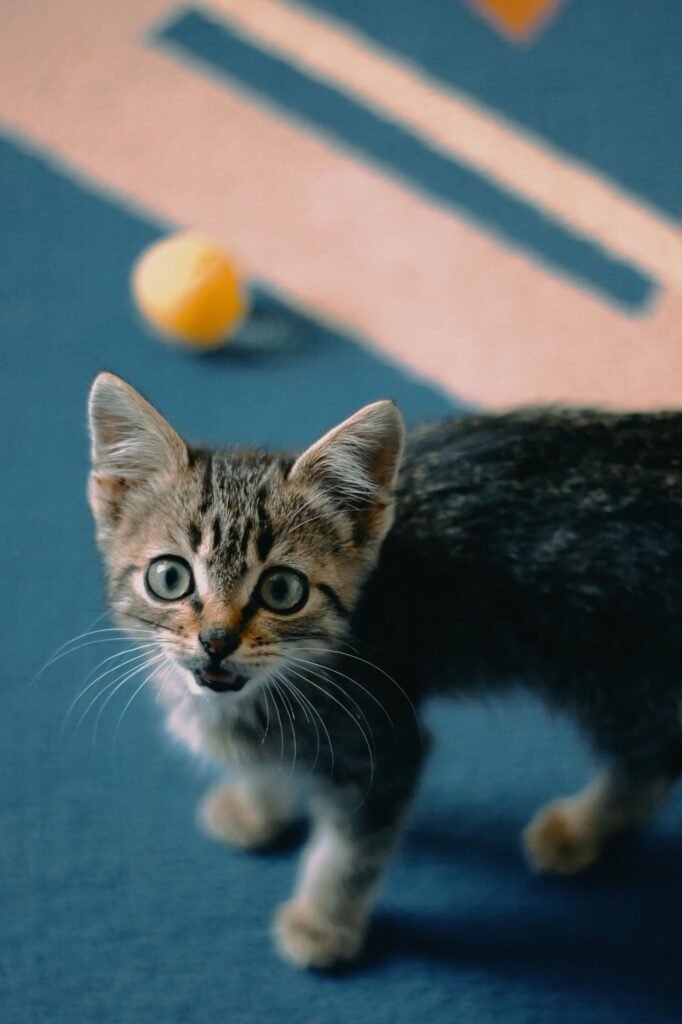
Bringing home a kitten is exciting, and a little overwhelming. Kittens grow fast, get into everything and hide illness well, so the first few months set the foundation for a healthy, confident cat. Whether you have adopted a kitten from a shelter, rescued one from the street or bought one from a breeder, this guide walks you through everything a first-time owner in India needs to know.
In this article
- How old should a kitten be before leaving its mother?
- Before you bring your kitten home
- Kitten-proofing your home
- Feeding your kitten
- Litter training
- Which vaccinations are needed?
- Deworming and parasite control
- Spaying and neutering
- Play, handling and socialisation
- Grooming
- Caring for orphan kittens
- Warning signs: see a vet
- Your first vet visit
How old should a kitten be before leaving its mother?
Kittens learn eating, litter use and social skills from their mother and littermates. Ideally a kitten should stay with its mother until about 8 to 12 weeks of age. Kittens separated earlier often have more health and behaviour problems, so if you rescue a very young kitten, it will need extra care (see the section on orphan kittens below).
Before you bring your kitten home
Get these ready:
- Kitten food (dry and wet) made for kittens
- Two shallow bowls, one for food and one for water
- A litter tray and cat litter
- A soft bed or box with a blanket in a quiet corner
- A scratching post
- A few safe toys such as balls and wand toys
- A cat carrier for vet visits
Kitten-proofing your home
Kittens are curious climbers and chewers. Before your kitten arrives:
- Secure windows and balconies with netting. Falls from balconies and windows are one of the most common serious injuries in Indian cities.
- Hide electrical cables and phone chargers
- Keep strings, rubber bands, hair ties, needles and thread out of reach; swallowed thread can be deadly
- Remove toxic plants, especially lilies, which can cause fatal kidney failure in cats
- Store medicines, cleaning products, naphthalene balls (mothballs) and insecticides safely
- Keep washing machine and cupboard doors closed
- Keep the toilet lid down
Feeding your kitten
Kittens need much more energy and protein than adult cats.
- Feed a good-quality kitten food (labelled "complete" for kittens) until about 12 months of age
- Feed 3 to 4 small meals a day until about 6 months, then 2 to 3 meals
- Mix wet and dry food; wet food helps hydration
- Always provide fresh, clean water
- Do not give cow's or buffalo milk; most cats cannot digest it well and get diarrhoea
Cats must eat meat-based food. A home vegetarian diet of rice, roti (Indian flatbread) and milk will not meet a kitten's needs. Read our guide to what cats can and cannot eat.
Litter training
Most kittens learn quickly because they instinctively dig and bury.
- Place the litter tray in a quiet spot away from food and water
- Put your kitten in the tray after meals, after naps and after play
- Let it sniff and dig; praise softly when it uses the tray
- Scoop the tray at least once a day and change the litter regularly
- Never punish accidents; clean them with an enzyme cleaner so the smell does not attract the kitten back
If you have more than one cat, provide one tray per cat plus one extra.
Which vaccinations are needed?
Kittens need a series of vaccines:
- 6 to 8 weeks: first core vaccine (FVRCP, protecting against panleukopenia, calicivirus and herpesvirus)
- 9 to 12 weeks: second core vaccine
- 12 to 16 weeks: third core vaccine and rabies
- One year later: boosters
Indoor cats still need vaccines, because viruses travel on shoes and clothes. See our full vaccination schedule guide.
Deworming and parasite control
- Deworm every two weeks until three months of age, then monthly until six months, then every three months, using a product your vet recommends for kittens
- Check for fleas and ear mites; use only products made for cats
Never use a dog flea or tick product on a cat. Some, especially those containing permethrin, can kill cats.
Spaying and neutering
Most vets recommend spaying or neutering at about 5 to 6 months of age. It prevents unwanted litters, reduces spraying and roaming in males, and protects females from uterine infections and some cancers. Discuss timing with your vet.
Play, handling and socialisation
- Play with your kitten every day using wand toys and balls; play builds confidence and burns energy
- Never use your hands as toys, or your kitten will learn to bite and scratch hands
- Handle paws, ears and mouth gently each day so grooming and vet visits are easier later
- Provide a scratching post and reward your kitten for using it
Grooming
Short-haired kittens need occasional brushing; long-haired breeds such as Persians need daily brushing to prevent mats. Cats rarely need baths. Trim claw tips if needed, and check ears and eyes regularly.
Caring for orphan kittens
If you rescue very young kittens without their mother:
- Keep them warm with a covered hot water bottle or heating pad and blanket; chilled kittens cannot digest food
- Feed kitten milk replacer, never cow's milk, with a small bottle or syringe, every 2 to 4 hours depending on age
- Stimulate them to pee and poop after each feed by gently rubbing the bottom with a warm, damp cotton ball
- See a vet as soon as possible; orphan kittens become sick very quickly
Warning signs: see a vet
Take your kitten to a vet the same day if it:
- Stops eating or drinking for more than 12 to 24 hours
- Has vomiting or diarrhoea, especially with blood
- Has difficulty breathing, sneezing with thick discharge, or eyes stuck shut
- Seems very weak, cold or limp
- Strains in the litter tray without passing urine
- Has a fall, injury or may have eaten something toxic
Kittens have small reserves and can become dangerously ill within hours.
Your first vet visit
Book a check-up within the first week. Your vet will examine your kitten, start or continue vaccines and deworming, check for fleas and ear mites, and answer your questions about feeding and care.
Recommended reading
- The Ultimate Cat Owner’s Handbook by Dr. Vaishnavi Karmawat (Kindle eBook on Amazon)
- See all titles on the Books page.
🩺 Dr. Vaishnavi’s Clinical Picks (Available on Amazon India)
Useful basics for first-time kitten owners.
Complete food made for growing kittens
No-water grooming for cold days or after surgery
Digestive support for puppies, kittens and dogs off their food
Small kibble made for Persian kittens
As an Amazon Associate, I earn from qualifying purchases. This costs you nothing extra.
Frequently asked questions
Can kittens drink cow’s milk?
No. Cow and buffalo milk often cause diarrhoea in kittens. Orphan kittens need a kitten milk replacer, and weaned kittens need kitten food and fresh water.
When should a kitten get its first vaccine?
Most kittens start their vaccines at around 6 to 8 weeks of age, with boosters every few weeks until they are about 16 weeks old. Your vet will set the exact schedule for your kitten.
How often should a kitten be dewormed?
Young kittens need deworming often, usually every two weeks at first and then monthly for the first few months. Follow the deworming schedule your vet gives you and dose by the kitten’s weight.
How do I litter train a kitten?
Place your kitten in a clean litter tray after meals, naps and play. Keep the tray in a quiet spot away from food and water, scoop it daily and never punish accidents.
Related Articles
- Puppy and Kitten Vaccination Schedule in India: Chart, Core vs Non-core Vaccines, Brands, Boosters and Side Effects
- Cat Peeing Outside the Litter Box: Medical Causes, Spraying, 10 Litter Box Rules and How To Litter Train a Kitten
- Cat Parvo (Panleukopenia), FeLV and FIV in India: Symptoms, Testing and Vaccines
References
- WSAVA Vaccination Guidelines Group. Guidelines for the Vaccination of Dogs and Cats.
- AAFP and AAHA. Feline Life Stage Guidelines. 2021.
- WSAVA Global Nutrition Committee. Global Nutrition Guidelines.
More on Cats

Vomiting and Acidity Medicines for Dogs and Cats: Maropitant (Cerenia), Ondansetron, Pantoprazole and Famotidine
How vets use maropitant, ondansetron, famotidine and pantoprazole for vomiting and acidity in dogs and cats, and why diagnosis must come first.

Meloxicam (Melonex, Metacam) for Dogs and Cats: Safe Dosing and Why You Must Never Mix Painkillers With Steroids
Meloxicam for dogs and cats: uses, weight-based dosing, extra cat precautions, side effects and dangerous drug combinations to avoid.