 Written and reviewed by Dr. Vaishnavi Karmawat, B.V.Sc. & A.H., Registered Veterinary Practitioner
✔ Written and medically reviewed by Dr. Vaishnavi Karmawat, B.V.Sc. & A.H., Registered Veterinary Practitioner · Last reviewed 10 November 2026 · Editorial policy
In this article
Every week someone asks me, “Doctor, which cat breed is hypoallergenic? My child sneezes around cats but really wants one.” The honest answer: no cat is truly allergy-free. But some cats produce less of the main allergen, and some households manage very well with the right cat and a few habits. This guide gives you a realistic plan, with Indian availability and prices in mind.
What actually causes cat allergy?
It is not the fur itself. The main culprit is a protein called Fel d 1, made mostly in a cat’s saliva and skin glands. When a cat grooms, it coats its fur with saliva; the protein dries into tiny, light particles (dander) that float in the air and stick to sofas, curtains and clothes for months. Fur simply spreads it around.
So “hypoallergenic” cats are those that either produce less Fel d 1 or spread less dander because they shed less. That reduces symptoms for many mildly allergic people, but not for everyone.
Factors that matter more than breed
- Sex and neutering: unneutered males produce the most Fel d 1. Females and neutered males produce noticeably less.
- The individual cat: allergen levels vary a lot between cats of the same breed. Some people react to one cat and not another.
- Age: kittens produce less than adults, so testing yourself with a kitten can be misleading.
- How much the cat sheds and grooms: heavy shedders spread more allergen.
Breeds often suggested for allergy sufferers, and their reality in India
| Breed | Why it may help | In India |
|---|---|---|
| Siamese | Short, fine coat with little shedding; some evidence of lower allergen levels | Available from breeders in larger cities; vocal and very social |
| Balinese / Oriental / Javanese | Siamese relatives; single coat, low shedding | Rare |
| Bengal | Short pelt-like coat, low shedding | Available in metros; expensive; very active, needs lots of play |
| Russian Blue | Dense coat but reported lower allergen levels | Rare |
| Devon Rex / Cornish Rex | Short curly coats that shed little | Rare, mostly imported |
| Sphynx | Almost hairless, so little dander spread; still produces Fel d 1 and needs weekly baths | Rare and very expensive; sensitive to cold and sunburn on Indian terraces |
| Siberian | Long coat, but some cats produce less Fel d 1 | Very rare in India |
Imported or pedigree kittens in India commonly cost anywhere from about ₹25,000 to well over ₹1 lakh, depending on breed and breeder. Be very careful of “hypoallergenic kitten” listings online; ask to see the parents, health records and vaccination cards, and never pay in full before meeting the kitten.
Why Persians are usually a poor choice for allergy sufferers
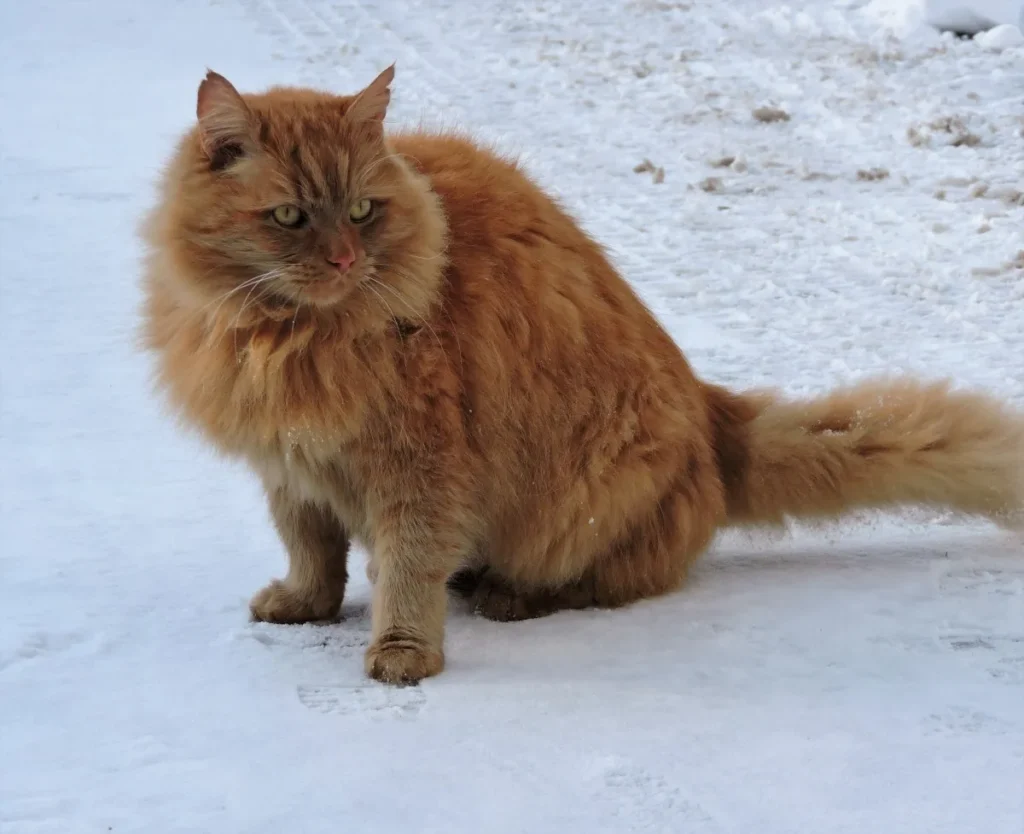
Persians are India’s most popular pedigree cat, but their long, dense double coat sheds heavily and needs daily brushing, spreading dander everywhere. Maine Coons and Himalayans are similar. If allergies are a concern, these are usually the hardest breeds to live with.
What about a desi (Indian) cat?
Our native short-haired cats are not a “hypoallergenic breed”, but many have short, single coats that shed moderately. A spayed female or neutered male desi cat, chosen after you have spent time with that particular adult cat, can be a sensible, healthy and affordable option. Shelters and rescue groups can often tell you how a cat’s foster family with allergies has managed.
Test yourself before you adopt
- See a doctor first, especially if you or a family member has asthma. An allergy test can confirm cat allergy and how strong it is. Asthma triggered by cats is not something to experiment with.
- Spend real time with the specific cat, ideally an adult: at least 1 to 2 hours, on more than one visit, in a closed room, petting and holding it.
- Watch for delayed reactions later that day or the next morning.
- Ask if a trial stay or foster-to-adopt is possible. Many rescues allow this.
- Have a back-up plan agreed in advance, so a cat is not given up suddenly if it does not work out.
Living with a cat when you have allergies
- Make the bedroom a cat-free zone. You spend a third of your life there; this one step helps most people more than anything else.
- Use a HEPA air purifier in the main living area and bedroom.
- Choose easy-to-clean surfaces: hard floors, washable covers, fewer heavy curtains and rugs.
- Vacuum with a HEPA-filter vacuum twice a week; damp-mop floors.
- Wash the cat’s bedding, throws and sofa covers weekly in hot water.
- Brush the cat daily, ideally outdoors or on a balcony, by a non-allergic family member.
- Wiping the cat with a damp cloth or pet wipe a few times a week may reduce allergen on the coat for a short time.
- Feed a good diet with omega-3s for healthy skin and less flaking. Some countries sell a cat food that reduces active Fel d 1 in saliva; ask your vet whether such products are available to you.
- Neuter your cat.
- Wash your hands after playing and before touching your face.
- In the monsoon, damp homes also grow dust mites and mould, which worsen allergy symptoms; keep rooms ventilated and dry.
- Ask your doctor about allergy medicines or immunotherapy (allergy shots) if you are committed to living with cats.
Hypoallergenic cats: frequently asked questions
Is any cat 100% hypoallergenic?
No. All cats, including hairless ones, produce Fel d 1. Some produce less, and some people react less to certain cats.
Are male or female cats better for allergies?
Females and neutered males generally produce less allergen than unneutered males.
Can allergies get better after living with a cat?
Some people find their symptoms settle over months; others get worse. It cannot be predicted, which is why testing and a doctor’s advice come first.
Is a dog better than a cat for allergies?
Dog and cat allergies are separate; some people are allergic to one and not the other. See our upcoming guide on hypoallergenic dog breeds for dog options.
This article is general guidance for pet parents. For your own allergy or asthma symptoms, please consult a doctor. Prices are approximate and change often.
More on Cats
Diabetes in Cats: Signs, Remission Is Possible, Insulin Used in India, Low-Sugar Emergency First Aid, and Why Doodh-Bhaat Diets Raise the Risk
Cat drinking and peeing more? Signs of feline diabetes, insulin and diet, home monitoring, and how many cats can go into remission.

Prednisolone (Wysolone) for Dogs and Cats: Uses, Side Effects, Tapering, and the Truth About Steroid Injections
Uses and side effects of prednisolone, why it must be tapered, the danger of mixing with painkillers, and the truth about steroid…