 Written and reviewed by Dr. Vaishnavi Karmawat, B.V.Sc. & A.H., Registered Veterinary Practitioner
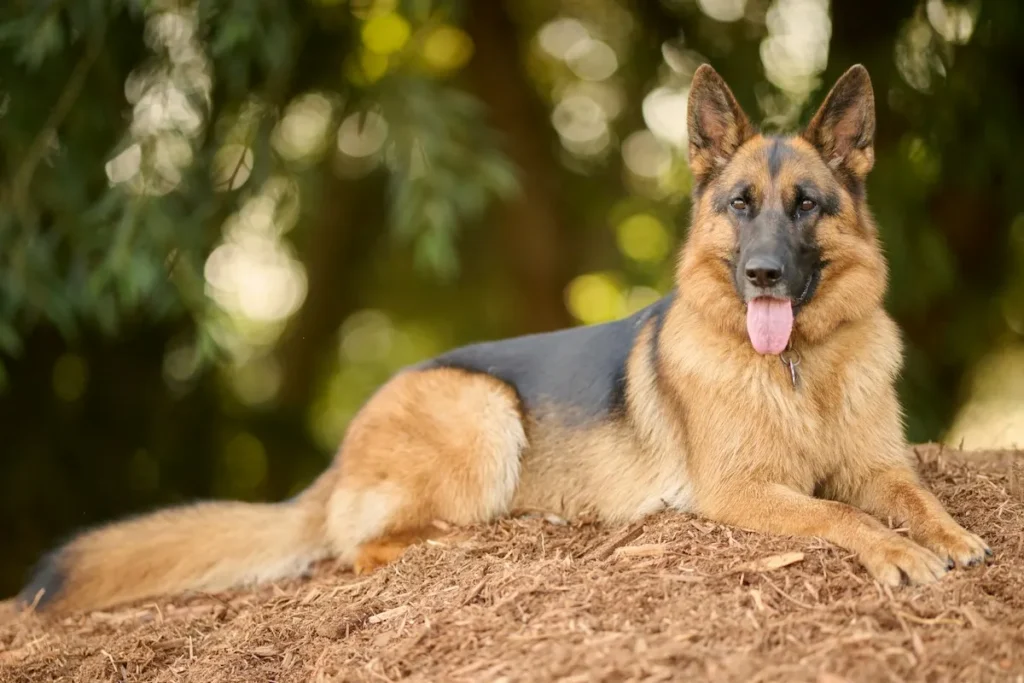
Your young Labrador hops up the stairs with both back legs together, or your German Shepherd struggles to stand up after a nap. These can be early signs of hip dysplasia, one of the most common orthopaedic problems in large-breed dogs, and very common in India’s most popular breeds.
In this article
Hip dysplasia cannot be fully prevented by owners, but how a puppy is fed, exercised and housed makes a real difference to how bad it becomes. Here is what hip dysplasia is, the signs to watch for, how vets diagnose it, treatment options from weight control to surgery, and simple changes at home, including fixing slippery tile floors.
Key Takeaways
- Hip dysplasia is a developmental condition in which the ball and socket of the hip fit loosely, leading to wear, pain and arthritis.
- It is most common in large and giant breeds such as Labradors, German Shepherds, Golden Retrievers, Rottweilers and Saint Bernards, but any dog can be affected.
- Warning signs include “bunny hopping,” stiffness when getting up, reluctance to climb stairs or jump, a narrow back-leg stance and thin thigh muscles.
- Keeping your dog lean is the single most effective way to slow it down. Treatment combines weight control, controlled exercise, physiotherapy, pain relief and, in some dogs, surgery.
- Never give human painkillers. Feed growing large-breed puppies a proper large-breed puppy food and do not add calcium supplements.
What Is Hip Dysplasia in Dogs?
The hip is a ball-and-socket joint. The ball is the head of the thigh bone (femur), and the socket is a cup in the pelvis called the acetabulum. In a healthy hip, the ball sits snugly in the socket and glides smoothly.
In hip dysplasia, the joint is loose (lax) while the puppy is growing. The ball partly slides in and out of the socket (subluxation) with every step. This abnormal movement stretches the joint capsule, wears down the cartilage and changes the shape of the bones. Over months to years, the body responds by laying down bone spurs and thickened tissue, producing osteoarthritis.
Many dogs show signs as young as 4 to 12 months, when the loose joint is painful. Some then seem to improve as the joint stiffens, only to develop arthritis pain in middle age.
What Causes Hip Dysplasia?
Hip dysplasia is inherited, involving many genes, but environment strongly influences how severe it becomes:
- Genetics: puppies from parents with poor hips are much more likely to be affected.
- Rapid growth and overfeeding: puppies fed too many calories grow too fast, stressing developing joints.
- Excess calcium: giving calcium syrups or tablets to large-breed puppies on a complete puppy food disturbs normal bone development. This is a common practice in India and should be avoided unless your vet prescribes it.
- Excess body weight at any age
- Slippery floors: puppies splaying their legs on polished tiles and marble put abnormal force on the hips.
- Too much high-impact activity in young puppies, such as repeated jumping from heights or long runs on hard ground
Breeds at higher risk
German Shepherds, Labrador Retrievers, Golden Retrievers, Rottweilers, Saint Bernards, Great Danes, Mastiffs, Bulldogs and Newfoundlands. Indian Pariah dogs (Indies) are affected less often, but it can occur in any dog.
Signs of Hip Dysplasia in Dogs
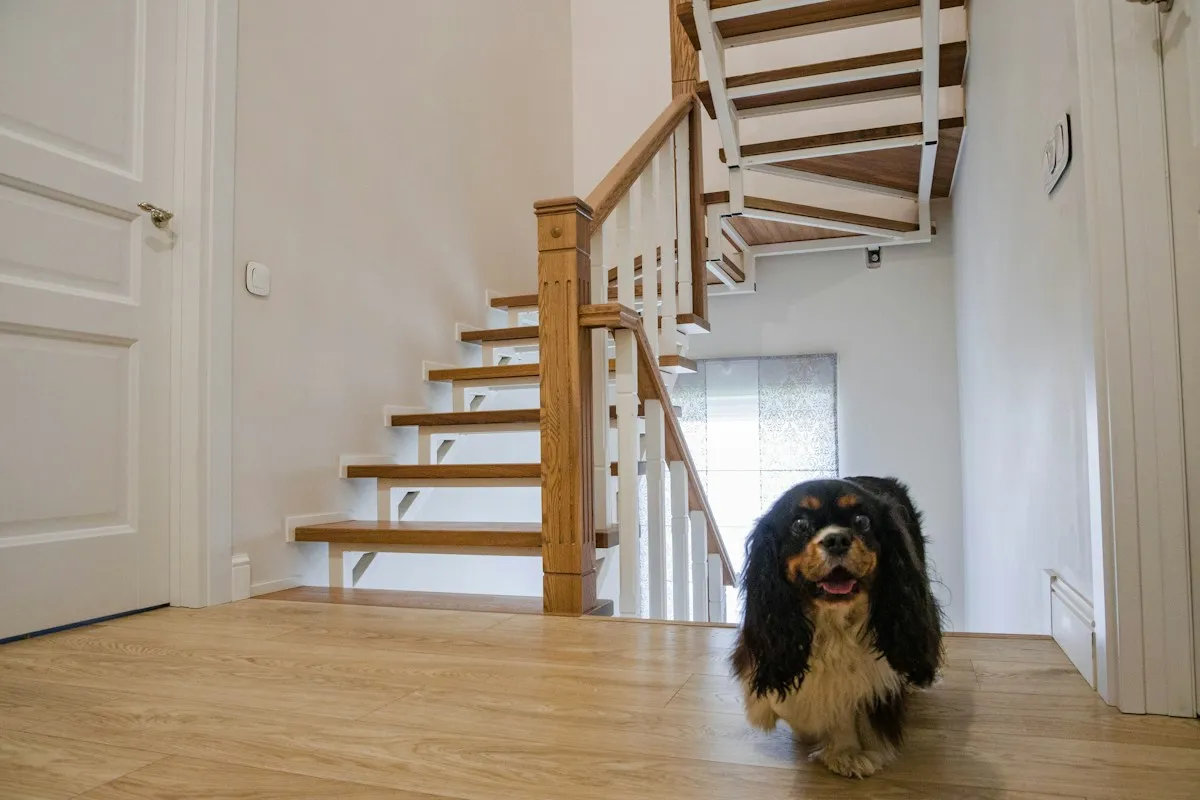
- “Bunny hopping”: moving both back legs together when running or climbing stairs
- Stiffness or difficulty getting up, especially after rest or in cold weather
- Reluctance to climb stairs, jump onto the sofa or into a car
- Limping on one or both back legs, often worse after exercise
- A swaying, waddling walk, or a narrow stance with the back feet close together
- Sitting with the back legs splayed to one side (“lazy sit”) or lying frog-legged
- Loss of muscle on the thighs and rump, with relatively large shoulder muscles as the dog shifts weight forward
- Pain when the hips are touched or extended; a clicking or grinding sound from the hip
- Less interest in play and walks, or irritability when handled
Dogs hide pain well. Slowing down is often put down to “age” or “laziness” when it is actually arthritis pain.
How Vets Diagnose Hip Dysplasia
- Physical and orthopaedic examination: watching the dog walk, feeling the muscles, checking hip range of motion and pain. In young dogs, the vet may feel the ball pop back into the socket (the Ortolani sign), usually under sedation.
- X-rays of the hips, normally under sedation so the legs can be positioned correctly. These show how deep the socket is, how well the ball sits, and any arthritis.
- Screening schemes: breeders and owners of working dogs may have hips scored. The OFA and FCI schemes grade X-rays taken from 1 to 2 years of age; the PennHIP method measures joint looseness from 16 weeks.
- Blood tests before starting long-term pain medicines.
Other conditions can mimic hip dysplasia, including cruciate ligament injury of the knee, spinal problems and nerve disease, so a proper examination matters.
Treatment of Hip Dysplasia in Dogs
Treatment depends on the dog’s age, size, pain level and how advanced the changes are. Most dogs do best with a combination of approaches (multimodal management).
1. Weight control: the most powerful treatment
Every extra kilo adds load to painful hips. In a long-term study of Labrador Retrievers, dogs kept lean throughout life developed hip arthritis later and lived about two years longer than their overfed littermates. Aim for a body where you can easily feel the ribs and see a waist from above. Your vet can calculate a target weight and calorie allowance.
2. Controlled exercise and physiotherapy
- Regular, moderate, low-impact exercise maintains muscle, which supports the joint. Several short leash walks are better than one long run.
- Swimming and underwater treadmill therapy are excellent where available.
- Avoid sudden sprints, jumping from heights, rough play on hard ground and fetch with sharp turns.
- A veterinary physiotherapist can teach strengthening and range-of-motion exercises.
3. Pain relief medicines
Your vet may prescribe:
- Veterinary NSAIDs such as carprofen, meloxicam, firocoxib or grapiprant, which reduce pain and inflammation. Your vet will check blood values before and during long-term use.
- Monthly anti-NGF antibody injections (bedinvetmab) for osteoarthritis pain, where available
- Gabapentin or amantadine as add-ons for chronic pain
- Polysulfated glycosaminoglycan injections to support cartilage
Never give human painkillers such as paracetamol, ibuprofen, diclofenac, nimesulide or Combiflam. They can cause stomach ulcers, kidney failure or liver damage in dogs. Read our guide on why human painkillers are dangerous for dogs.
4. Joint supplements and diet
Omega-3 fatty acids (EPA and DHA from fish oil) have the best evidence for reducing arthritis pain and can lower the dose of other medicines needed. Glucosamine, chondroitin and green-lipped mussel are widely used; evidence is mixed, but they are safe for most dogs. Veterinary joint diets combine several of these.
5. Other therapies
Laser therapy, acupuncture, massage and regenerative treatments such as platelet-rich plasma or stem cells may help some dogs as part of a wider plan.
6. Surgery
| Surgery | Best for | What it does |
|---|---|---|
| Juvenile pubic symphysiodesis (JPS) | Puppies under about 18–20 weeks | Closes a growth plate in the pelvis early so the sockets rotate over the hips as the puppy grows |
| Triple or double pelvic osteotomy (TPO/DPO) | Young dogs, about 6–10 months, without arthritis | Cuts and rotates the pelvis to cover the ball better |
| Femoral head ostectomy (FHO) | Smaller dogs (usually under about 20 kg), or when other options are not possible | Removes the ball; a false joint of scar tissue forms |
| Total hip replacement (THR) | Adult dogs with painful arthritis | Replaces the joint with an artificial ball and socket; offered at specialist centres |
Recovery from hip surgery usually involves about 6 to 8 weeks of strict rest followed by gradual rehabilitation.
Home Changes That Help: Fixing Slippery Floors
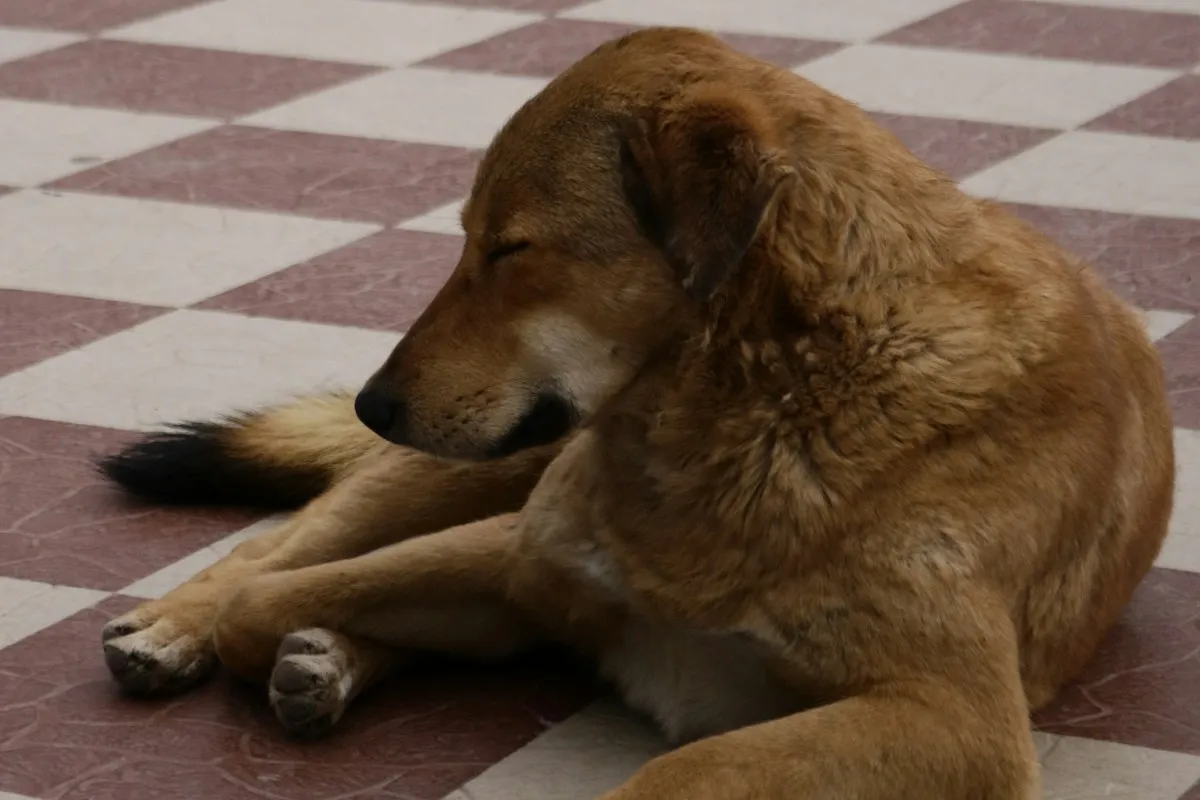
Polished tiles, marble and granite floors are common in Indian homes and are hard on dogs with weak hips. Simple changes reduce slips and pain:
- Lay non-slip rugs, runners or interlocking yoga or gym mats along your dog’s usual routes, especially near the bed, water bowl and doorways.
- Keep toenails short and trim the hair between the paw pads so the pads grip.
- Use a ramp or steps for sofas, beds and cars instead of letting your dog jump.
- Provide a thick, supportive orthopaedic bed in a warm, draught-free spot.
- Use a supportive harness or a towel sling under the belly to help a stiff dog up stairs.
- Block access to steep stairs in multi-storey homes if possible.
Preventing Hip Dysplasia in Puppies
- Choose a puppy from parents whose hips have been X-rayed and scored, and ask the breeder for proof.
- Feed a complete large-breed puppy food until 12 to 18 months of age, with controlled calcium and calories.
- Do not add calcium syrups, milk-and-calcium powders or bone meal to a complete diet unless your vet prescribes them.
- Keep your puppy slim: you should be able to feel the ribs easily.
- Avoid slippery floors, repeated stair climbing and jumping from heights in growing puppies.
- Give plenty of free play on grass or soil, and short, gentle walks that gradually increase.
- Ask your vet about hip screening, including JPS, if your puppy is a high-risk breed.
Frequently Asked Questions
What are the first signs of hip dysplasia?
Bunny hopping, stiffness when rising, reluctance to use stairs or jump, and an unusual sitting position are common early signs.
Can a dog live a normal life with hip dysplasia?
Yes. With weight control, exercise management, pain relief and, when needed, surgery, most dogs live long, active and comfortable lives.
Is walking good for dogs with hip dysplasia?
Yes, in moderation. Regular, gentle walks on soft surfaces keep muscles strong. Avoid long, exhausting walks and high-impact play.
At what age does hip dysplasia show?
Signs can appear as early as 4 months, but many dogs show them only in middle or old age when arthritis develops.
Can hip dysplasia be cured?
Medical management controls pain but does not change the shape of the joint. Some surgeries correct or replace the joint and can give excellent results.
This article is for education and does not replace veterinary advice. Always ask your vet before starting any pain medicine or supplement.
Related Articles
- Joint Pain in Senior Dogs: Winter Care, Supplements, and Massage
- Congestive Heart Failure in Dogs: Night Coughing, Sleeping Breath Count, Stages and Heart Care for Senior Dogs
- Dog Suddenly Dull, Tired and Not Eating? 10 Causes of Lethargy in India and When To Worry
- Dog Heat Cycle and Pregnancy Guide: 63-Day Timeline, Diet, Whelping Box and When to Call the Vet
References
- Tupler T, Koehler R. Hip Dysplasia in Dogs: What It Is, Signs, and Treatment. PetMD.
- PetMD. Hip Dysplasia Surgery in Dogs.
- Kealy RD, et al. Effects of diet restriction on life span and age-related changes in dogs. Journal of the American Veterinary Medical Association, 2002;220(9):1315–1320.
- Smith GK, et al. Lifelong diet restriction and radiographic evidence of osteoarthritis of the hip joint in dogs. Journal of the American Veterinary Medical Association, 2006;229(5):690–693.
- Orthopedic Foundation for Animals (OFA). Hip Dysplasia.
- Merck Veterinary Manual. Hip Dysplasia in Dogs.
More on Dogs
Pyometra in Dogs and Cats: Early Signs After Heat, Open vs Closed Pyometra, Surgery Cost in India and Why Heat-Stopping Injections Are Risky
Unspayed dog drinking more, off food or with discharge after heat? Pyometra signs, why it is an emergency, surgery cost in India…
Dog or Cat Ate Rat Poison? Bromadiolone Cakes, Zinc Phosphide and Phosphorus Paste: Symptoms, What To Do Now and Treatment in India
Dog ate rat poison? Which Indian rat poisons are most dangerous, first steps, why vomiting must be induced fast, vitamin K treatment…