 Written and reviewed by Dr. Vaishnavi Karmawat, B.V.Sc. & A.H., Registered Veterinary Practitioner
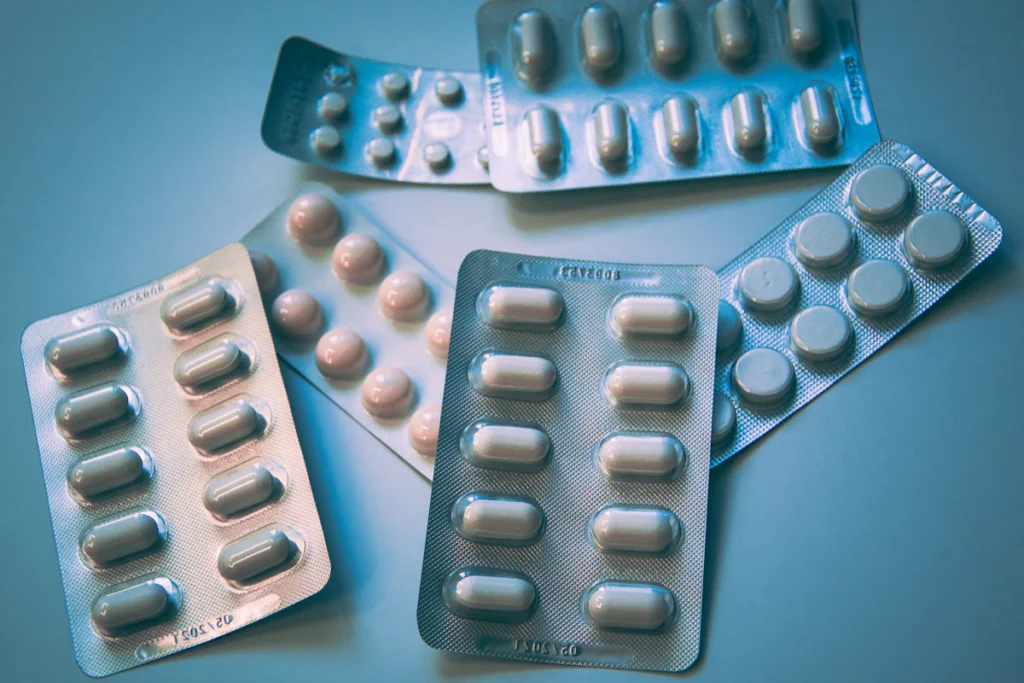
Short answer: no. Do not give your dog paracetamol (Crocin, Dolo-650, Calpol, P-650) at home, and never give it to a cat. A human tablet is made for a 60 kg adult. Even one 500 mg or 650 mg tablet can seriously harm a small dog, and a small piece can kill a cat. If your pet has already swallowed any, call a vet now, even if they look fine.
In this article
- Why paracetamol is dangerous for dogs and cats
- Warning signs after a dog or cat eats paracetamol
- What to do right now
- My dog has fever or pain. What can I give instead?
- Does your dog really have a fever?
- Quick table: common human medicines and pets
- Frequently asked questions
- When to call a vet
- Related Articles
- References
Key Takeaways
- Never give a human paracetamol tablet (Crocin, Dolo-650, Calpol) to a dog at home, and never give any amount to a cat.
- In dogs, liver damage is reported from about 100 mg per kg and red-cell damage from about 200 mg per kg; one 650 mg tablet already exceeds the liver threshold in a 5 kg dog.
- Cats lack the liver pathway that clears paracetamol; even a small fraction of a tablet can be fatal.
- Brown or blue gums, fast breathing, a swollen face or paws, and jaundice are danger signs.
- Go to a vet even if your pet looks normal; the antidote (N-acetylcysteine) works best in the first hours.
I see this mistake often in Indian homes because paracetamol is in every medicine box and it feels “safe”. For dogs and cats it is not. Here is why, what to watch for and what to do.
Why paracetamol is dangerous for dogs and cats
- Damages red blood cells: it changes haemoglobin so the blood cannot carry oxygen properly (methaemoglobinaemia). Gums turn brown, grey or blue.
- Damages the liver: dogs cannot break paracetamol down safely in larger amounts, and liver injury can show 1 to 3 days later.
- Cats are far more sensitive: cats lack the liver enzyme that clears paracetamol. There is no safe home amount for a cat.
- Combination tablets are worse: Combiflam and many cold tablets also contain ibuprofen, caffeine or decongestants, which add stomach, kidney and heart risks.
What one tablet means for your pet
Veterinary toxicology references describe liver injury in dogs from about 100 mg/kg and methaemoglobinaemia (oxidised, brown blood) from about 200 mg/kg. Cats can be poisoned at 10 mg/kg or less, so no dose is safe at home. Here is what a single tablet amounts to:
| Pet | One 500 mg tablet | One 650 mg tablet (Dolo-650) | Risk |
|---|---|---|---|
| Cat, 4 kg | 125 mg/kg | about 160 mg/kg | Potentially fatal |
| Small dog, 5 kg | 100 mg/kg | 130 mg/kg | Liver damage likely |
| Dog, 10 kg | 50 mg/kg | 65 mg/kg | Risky, especially with repeated doses or liver disease |
| Dog, 20 kg | 25 mg/kg | about 33 mg/kg | Lower risk from one tablet, but still needs a vet call |
| Dog, 30 kg | about 17 mg/kg | about 22 mg/kg | Repeated “fever doses” add up quickly |
Owners often give a tablet every 6 to 8 hours “for fever”, which multiplies the dose. Combination products (paracetamol with caffeine, cetirizine, phenylephrine or ibuprofen) add extra dangers.
Warning signs after a dog or cat eats paracetamol
- Brown, grey or bluish gums and tongue
- Fast or difficult breathing, weakness, collapse
- Swelling of the face, lips or paws (very common in cats)
- Vomiting, drooling, not eating
- Dark brown urine
- Yellow eyes or gums 1 to 3 days later (liver damage)
How poisoning progresses
| Time after swallowing | What may happen |
|---|---|
| First 1 to 4 hours | Drooling, vomiting, restlessness; many pets still look normal |
| 4 to 12 hours | Brown, grey or blue gums; fast or laboured breathing; weakness; swelling of the face and paws (especially in cats) |
| 12 to 36 hours | Cats may collapse and die in this window without treatment; dark urine |
| 1 to 3 days (dogs) | Yellow gums and eyes (jaundice), vomiting, belly pain, liver failure |
What to do right now
- Call a vet immediately, or the 1962 mobile veterinary helpline in your state. Tell them the brand, tablet strength (500 or 650 mg), how many were eaten and when.
- Take the strip or box with you.
- Do not make your dog vomit at home with salt water, mustard oil, ghee or milk. Salt can poison your dog, and oil can enter the lungs. A vet can give a safe injection to cause vomiting if the tablet was eaten recently.
- Go even if your pet looks normal. Treatment works best in the first few hours, before signs appear.
At the clinic, the vet may empty the stomach, give activated charcoal, and give an antidote (N-acetylcysteine) along with oxygen, fluids and liver support. Blood tests check the red cells and liver over the next few days.
My dog has fever or pain. What can I give instead?
Nothing from the human medicine box without a vet. Dogs have their own pain and fever medicines, chosen by weight and kidney and liver health. Ibuprofen (Brufen, Combiflam), diclofenac, nimesulide and aspirin can also cause ulcers and kidney failure in dogs.
Safe things you can do while you reach a vet:
- Check the temperature with a digital thermometer. Normal for dogs is about 38.3 to 39.2°C (101 to 102.5°F).
- Keep your dog in a cool, shaded room with fresh water.
- Offer small amounts of water or ORS if they are drinking.
- For heat-related fever, follow the cooling steps in our heatstroke first aid guide.
Does your dog really have a fever?
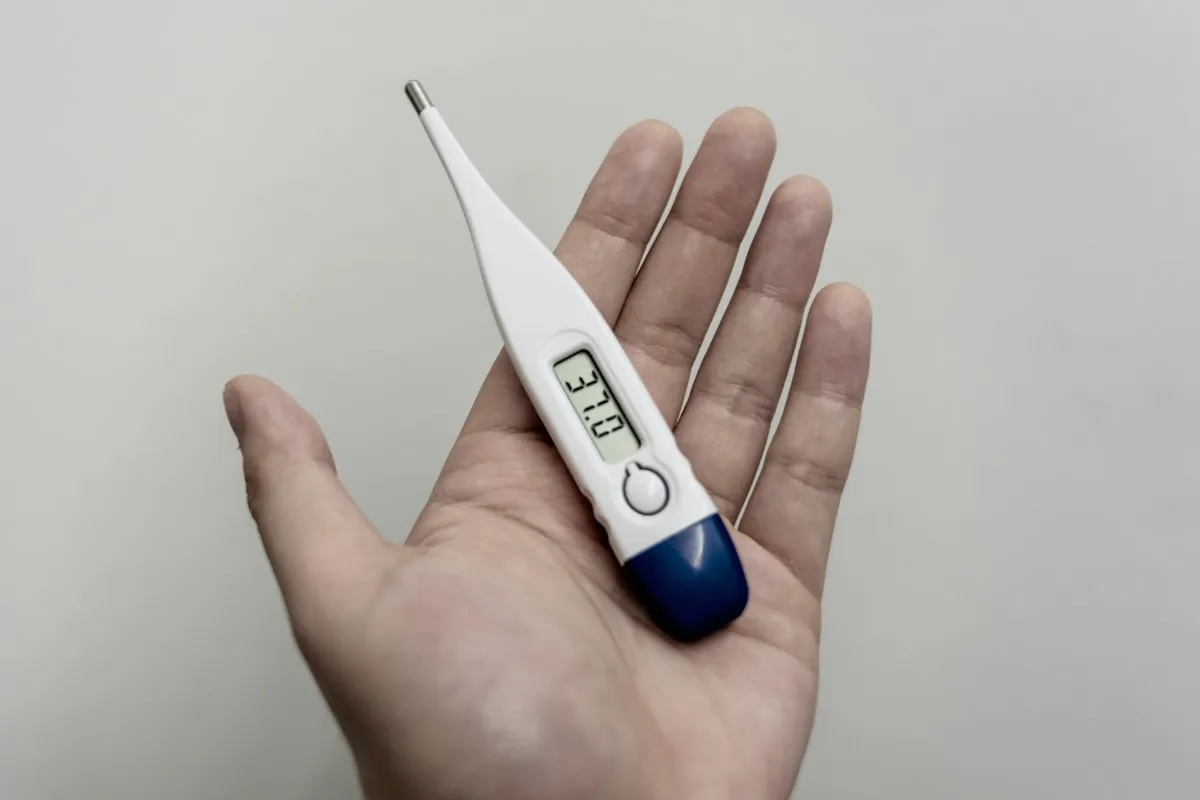
A warm, dry nose or warm ears do not mean fever. The only reliable check is a rectal temperature with a digital thermometer.
- Normal temperature in dogs is about 38.0 to 39.2 °C (100.4 to 102.5 °F).
- 39.5 °C or above: call your vet, especially if the dog is dull or not eating.
- 40.5 °C or above, or a hot dog that is collapsing after heat exposure: emergency. This may be heatstroke, which needs active cooling, not medicine.
- Common causes of fever in Indian dogs include tick fever, infections, and inflammation; treating the cause matters more than lowering the number.
Safe things you can do while you reach the vet
- Keep the dog in a cool, shaded, ventilated room with fresh water.
- For high body temperature from heat, wet the body with cool (not ice-cold) water and use a fan; stop when the dog stops panting heavily.
- Write down the temperature, when it started, appetite, and any vomiting or diarrhoea, to help the vet.
- Do not give any human tablet, syrup or injection from the home medicine box.
Quick table: common human medicines and pets
| Medicine (Indian brands) | Dogs | Cats |
|---|---|---|
| Paracetamol (Crocin, Dolo, Calpol) | Do not give at home | Never |
| Ibuprofen (Brufen, Combiflam) | Do not give | Never |
| Diclofenac, nimesulide | Do not give | Never |
| Aspirin (Disprin) | Only if your vet prescribes | Never at home |
| Cetirizine, Avil | Only on vet advice and dose | Only on vet advice |
🩺 Dr. Vaishnavi’s Clinical Picks (Available on Amazon India)
Check your dog’s temperature before calling the vet. Never give human painkillers.
Check temperature at home before calling the vet
As an Amazon Associate, I earn from qualifying purchases. This costs you nothing extra.
Dr. Vaishnavi’s advice: Please do not reach for the household medicine box when your pet seems unwell. Human tablets are dosed for a much heavier body and a different liver. If your pet has swallowed paracetamol, go to a vet straight away, even if it looks normal; early treatment makes a real difference.
Frequently asked questions
My dog ate half a Dolo-650 tablet but seems fine. Do I still need a vet?
Yes. Signs can take hours to appear, and liver damage can show days later. Early treatment is quicker, cheaper and much safer than waiting.
Can vets ever use paracetamol in dogs?
Some vets occasionally use it in dogs at a carefully calculated dose, with monitoring. That is very different from giving a human tablet at home. Never use it in cats.
Is Calpol syrup safer because it is for children?
No. It is still paracetamol, and the amount per spoon is easy to get wrong. Keep it away from pets.
When to call a vet
Call a vet the moment you know or suspect your pet has eaten any paracetamol, or any human medicine. For other household dangers, see our dog poisoning first aid guide.
Related Articles
- Dog Swallowed a Sock, Bone or Toy? Blockage Signs, Vet Treatment and What To Do
- Can Dogs Eat Roti or Chapati? A Vet Explains
- Can Dogs Eat Curd (Dahi) and Chaas? A Vet Explains
- Dog Seizures (Mirgi / Fits) First Aid Guide in India: What To Do During a Fit, Distemper vs Epilepsy and Safe Anti-Seizure Care
References
- Merck Veterinary Manual. Toxicoses From Human Analgesics in Animals.
- Richardson JA. Management of acetaminophen and ibuprofen toxicoses in dogs and cats. Journal of Veterinary Emergency and Critical Care. 2000;10(4):285-291.
- ASPCA Animal Poison Control Center. People Foods to Avoid Feeding Your Pets.
More on Dog Poisoning and Emergencies

Vomiting and Acidity Medicines for Dogs and Cats: Maropitant (Cerenia), Ondansetron, Pantoprazole and Famotidine
How vets use maropitant, ondansetron, famotidine and pantoprazole for vomiting and acidity in dogs and cats, and why diagnosis must come first.

How To Induce Vomiting in Dogs (And 6 Situations Where Making a Dog Vomit Is Deadly)
When and how vets make a poisoned dog vomit, when you must never induce vomiting, why cats are different, and which home…