 Written and reviewed by Dr. Vaishnavi Karmawat, B.V.Sc. & A.H., Registered Veterinary Practitioner

Choosing the wrong breed is the most common reason small backyard poultry units lose money. Vanaraja, Gramapriya and Kadaknath are all hardy, scavenging-friendly Indian birds, but they are built for different markets. Vanaraja and Gramapriya were developed by the ICAR-Directorate of Poultry Research (ICAR-DPR, Hyderabad) under the AICRP on Poultry Breeding, while Kadaknath is a native breed from Madhya Pradesh famous for its black meat. This comparison helps you match the breed to your local market.
In this article
- Quick answer
- Head-to-head comparison (backyard / semi-scavenging conditions)
- Vanaraja: the all-rounder
- Gramapriya: the egg layer
- Kadaknath: the premium black bird
- Feed Conversion Ratio (FCR) and feed cost
- Management rules for all three
- Where to buy chicks
- Frequently asked questions
- Related Articles
- References
Quick answer
- Want meat and some eggs? Choose Vanaraja, a dual-purpose bird.
- Want to sell eggs? Choose Gramapriya, an egg-type variety.
- Have a premium market or health-food buyers? Choose Kadaknath, sold at high prices for meat and eggs.
Head-to-head comparison (backyard / semi-scavenging conditions)
| Trait | Vanaraja | Gramapriya | Kadaknath |
|---|---|---|---|
| Type | Dual-purpose (meat + eggs) | Egg-type | Meat (and premium eggs) |
| Body weight at 8 weeks | About 1.0 to 1.2 kg | About 0.8 to 1.0 kg | About 0.4 to 0.5 kg |
| Adult male weight | 3.5 to 4 kg | 2.5 to 3 kg | 1.5 to 2 kg |
| Age at first egg | About 175 to 180 days | About 160 to 170 days | About 180 to 200 days |
| Annual hen-housed egg production (backyard) | About 110 to 140 eggs | About 140 to 160 eggs (more under semi-intensive care) | About 80 to 120 eggs |
| Egg colour | Light brown | Brown-shelled | Light brown to pinkish |
| Mortality (with vaccination) | Low, 5 to 8% | Low, 5 to 8% | Moderate, 8 to 12% (chicks are delicate) |
| Predator evasion capability | Good, long legs, colourful plumage | Good, lighter body | Fair, dark colour helps hide at night |
| Meat retail price (approx.) | ₹250 to ₹350 per kg live | ₹200 to ₹300 per kg live | ₹700 to ₹1,000 per kg |
| Egg retail price (approx.) | ₹10 to ₹12 each | ₹10 to ₹12 each | ₹25 to ₹50 each |
| Chick cost (approx.) | ₹35 to ₹50 | ₹35 to ₹50 | ₹70 to ₹120 |
Figures are approximate benchmarks under backyard or semi-intensive care. Actual results depend on feed, health care and the scavenging feed base available.
Vanaraja: the all-rounder
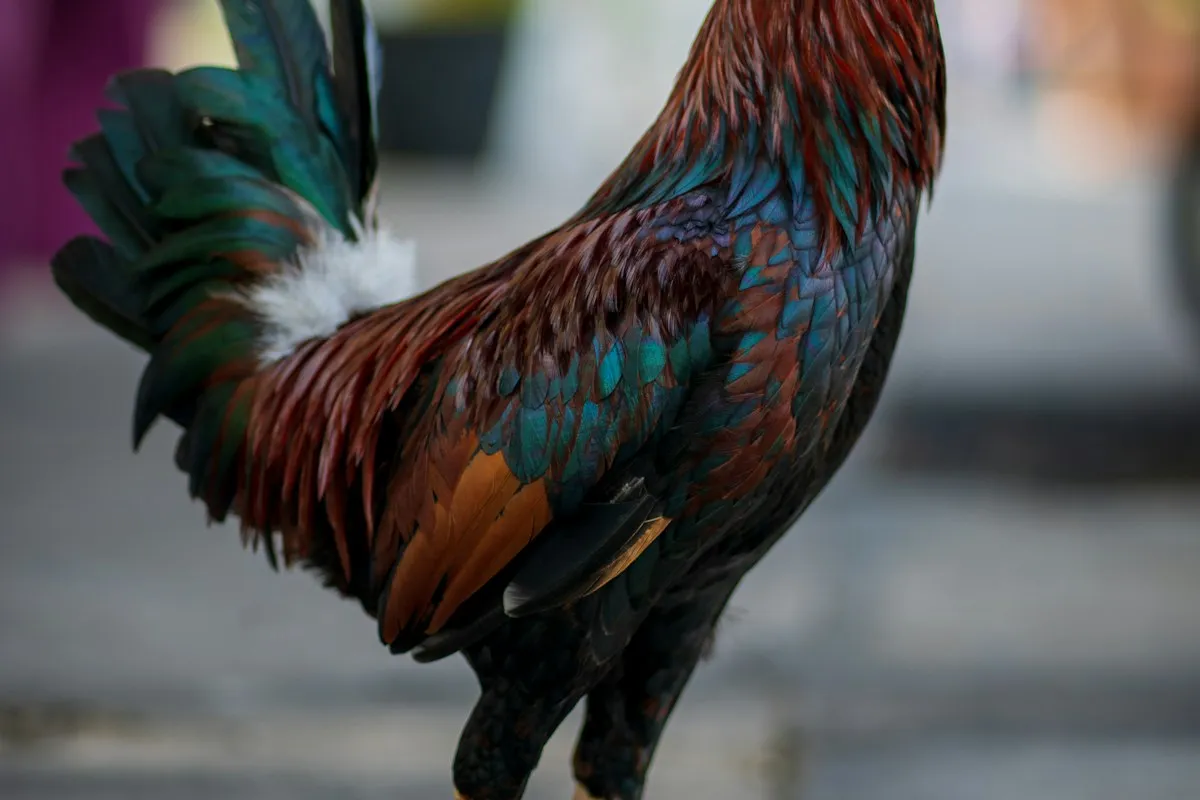
Vanaraja is the most widely distributed improved backyard bird in India. Its multi-coloured feathers help it avoid predators, it grows fast on kitchen waste and scavenging, and males reach market weight in about 12 to 16 weeks. Hens also lay a reasonable number of brown-shelled Desi-type eggs, which sell at a price premium over white farm eggs.
Best for: families and SHGs wanting both meat and eggs, with modest care.
Gramapriya: the egg layer
Gramapriya was bred for higher egg production under rural conditions. It is lighter, eats less, and lays more brown eggs than Vanaraja. Males are smaller and sell for less.
Best for: farmers near towns or weekly haats with a steady market for brown-shelled Desi eggs.
Kadaknath: the premium black bird
Kadaknath has black skin, black meat, black bones and dark organs due to fibromelanosis. Its meat is lean, high in protein and in demand with health-conscious and premium buyers, and it holds a GI tag. Growth is slow and eggs are fewer, but the price per kg is three to four times higher.
Best for: farmers with reliable buyers (restaurants, online sellers, city customers). Without a market link, Kadaknath can be hard to sell at a good price.
Feed Conversion Ratio (FCR) and feed cost
FCR is the kg of feed needed for 1 kg of body weight. Under semi-intensive rearing, Vanaraja has the best FCR of the three, around 2.5 to 3, while Kadaknath is around 3.5 to 4.5 because it grows slowly. Scavenging, kitchen waste and Azolla can cut bought-feed costs by 30 to 50%.
Management rules for all three
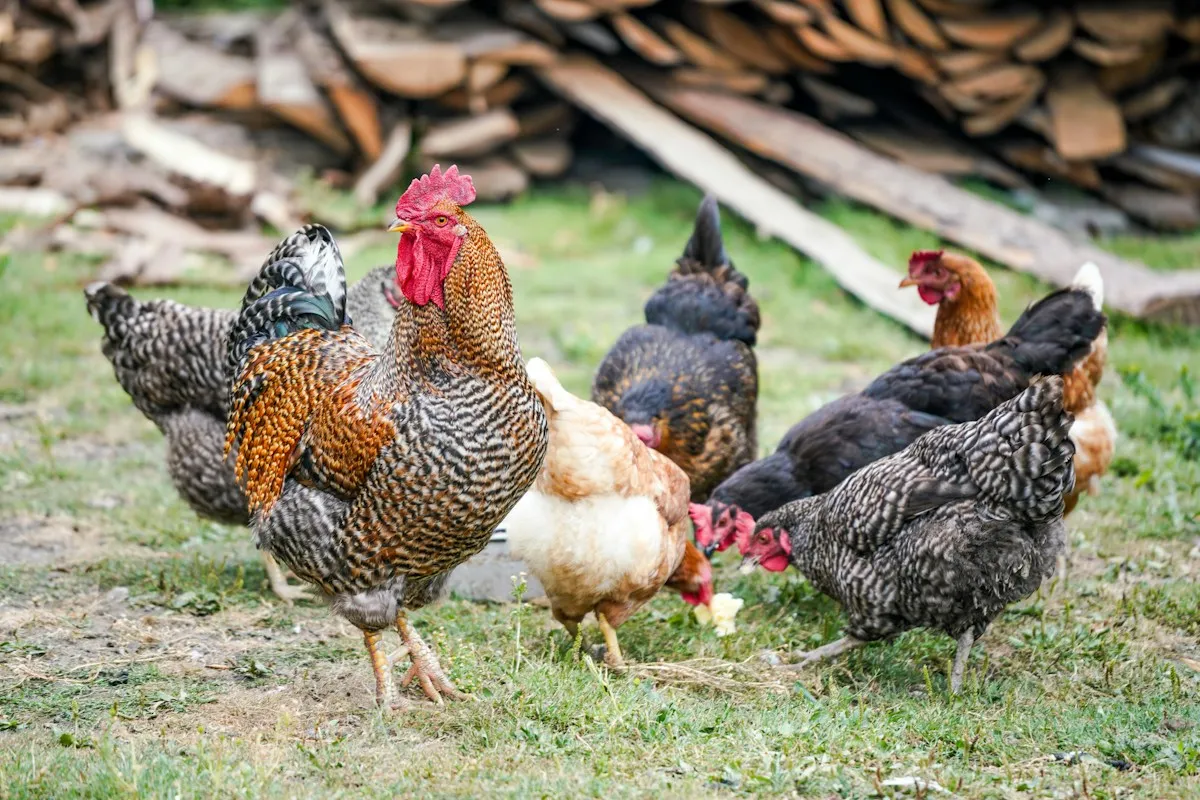
- 6-week nursery brooding: rear chicks indoors with heat, feed and water for the first 6 weeks before letting them scavenge. This is the single biggest factor in survival.
- Vaccinate against Marek’s disease, Ranikhet (Newcastle disease) and fowl pox.
- Give a night shelter safe from dogs, cats, snakes and mongooses.
- Provide supplementary feed: about 30 to 50 g per bird per day plus scavenging.
- Deworm every 2 to 3 months.
Where to buy chicks
Buy from ICAR-DPR, state veterinary universities, state animal husbandry department hatcheries, or authorised mother units. Avoid unknown sellers who may supply crossbreds sold as pure Kadaknath.
🩺 Dr. Vaishnavi’s Clinical Picks (Available on Amazon India)
Equipment I suggest for backyard and small poultry farms.
Hatch chicks while your desi hens keep laying
As an Amazon Associate, I earn from qualifying purchases. This costs you nothing extra.
Frequently asked questions
Which is more profitable, Kadaknath or Vanaraja?
Kadaknath gives more profit per bird if you have a premium buyer. Vanaraja gives steadier profit with easier sales in most villages.
How many eggs does a Gramapriya hen lay?
About 140 to 160 eggs a year in backyard conditions, more with better feed.
Can I rear these breeds together?
Yes, but brood chicks separately by age and keep Kadaknath chicks warmer in the first weeks.
At what age does Vanaraja start laying eggs?
Around 175 to 180 days (about 6 months).
Planning a backyard poultry unit? Contact Dr. Vaishnavi Karmawat for breed and health advice.
Related Articles
- Kadaknath Chicken Farming in India: Care, Cost, and Profit
- Most Popular Dog Breeds in India: Climate Suitability, Common Diseases and Care Guide
- Chick Brooding Temperature: Day-Old Chick Care in the First 2 Weeks
- Why Have My Hens Stopped Laying Eggs? 10 Causes and Fixes
References
- ICAR-Directorate of Poultry Research, Hyderabad. Rural poultry varieties and package of practices.
- Geographical Indications Registry, Government of India. Jhabua Kadaknath Black Chicken Meat (GI registration, 2018).
- Department of Animal Husbandry and Dairying, Government of India. National Livestock Mission: operational guidelines 2021-22 to 2025-26.
More on Poultry
CRD in Chickens: Winter Breathing Sounds, Treatment, and Curtains
Hearing ghur-ghur sounds in your flock? Learn poultry respiratory disease CRD and sound problem treatment in winter, ammonia control & antibiotic protocols.

Bird Flu (Avian Influenza) in Chickens: Signs and Prevention
Learn the signs of bird flu in chickens and ducks, what to do if birds start dying suddenly and simple biosecurity steps…