 Written and reviewed by Dr. Vaishnavi Karmawat, B.V.Sc. & A.H., Registered Veterinary Practitioner
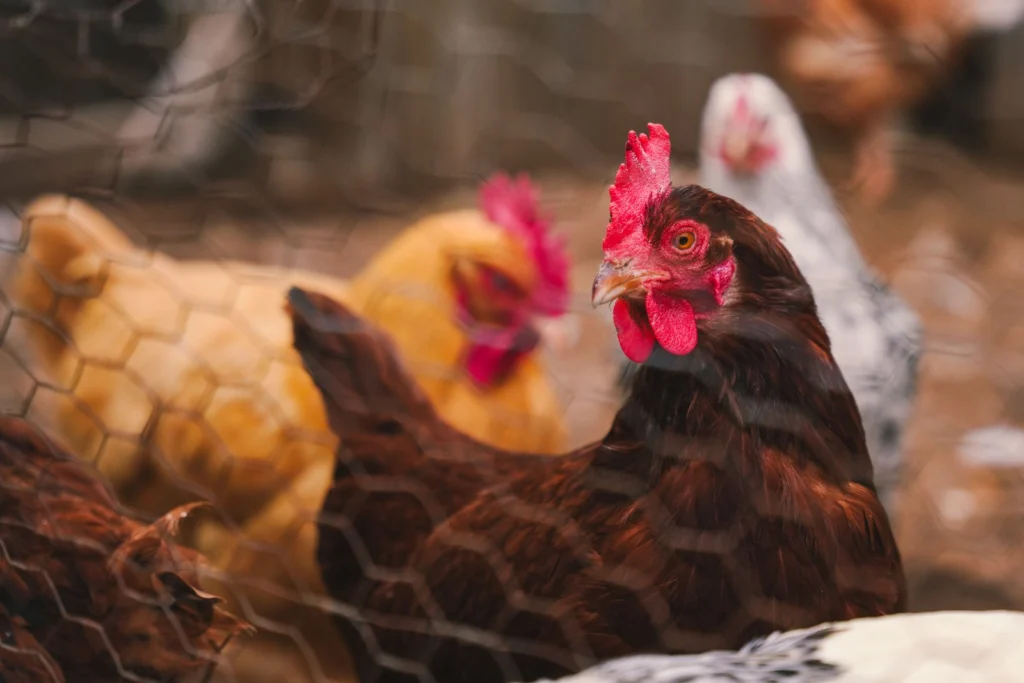
To protect chickens in winter, block cold wind with curtains while keeping the top of the shed open for ventilation, deepen the litter to about 6 inches, keep chicks at the right brooding temperature, give layers 16 hours of light a day, add a little more energy to the feed, and offer fresh, lukewarm water.
In this article
Key Takeaways
- Block cold wind with curtains but keep the top of the shed open for ventilation.
- Deepen litter to about 6 inches and keep it dry.
- Keep chicks at the right brooding temperature; one cold night can kill young chicks.
- Give laying hens about 16 hours of light a day to keep egg production up.
- Add a little more energy to feed and offer fresh, lukewarm water.
Winter in north and central India brings cold nights, fog and chilly winds from November to February. Chickens handle cold better than heat, but sudden drops in temperature, wet litter and poor ventilation cause real losses: hens lay fewer eggs, broilers eat more but grow more slowly, and young chicks can die in a single cold night. Good winter management prevents most of this.
Signs your birds are feeling the cold
- Birds huddle together in corners or near the brooder
- Feathers fluffed up, birds standing still and hunched
- Chicks chirping loudly and crowding under the heater
- Sudden drop in egg production
- Higher feed intake but lower weight gain in broilers
- Pale combs and wattles; frost damage to combs in very cold areas
Housing: curtains and ventilation
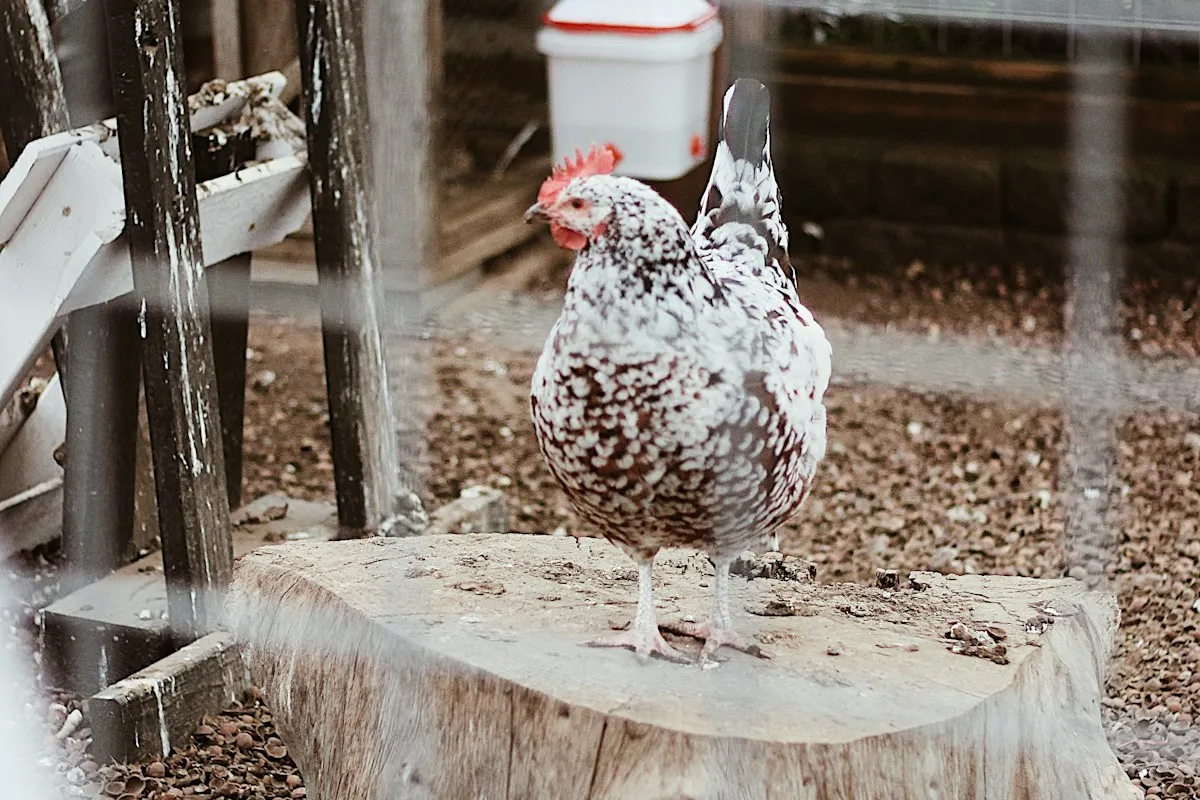
- Use curtains on open sides. Hang gunny (burlap) bags or plastic sheets on the side walls and lower them at night and on windy days. Raise them partly during warm, sunny hours.
- Do not seal the shed completely. Leave an opening of about 1 to 1.5 feet near the roof so stale, moist air and ammonia can escape. A closed, airless shed causes more disease than cold does.
- Stop draughts at bird level. Cold wind blowing directly on birds is worse than low temperature.
- Let sunlight in. Morning sunlight warms the shed and dries the litter.
- Repair the roof and walls before the cold sets in.
Never burn charcoal angithis, wood fires or gas heaters inside a closed shed. They can cause carbon monoxide poisoning and fire. Keep heaters and bulbs away from curtains, litter and feed bags.
Litter management
- Increase litter depth to about 6 inches using rice husk, sawdust or wood shavings
- Rake or turn the litter regularly to keep it loose and dry
- Remove wet, caked patches, especially around waterers, and add fresh dry litter
- Wet litter leads to ammonia, foot problems and coccidiosis
Brooding chicks in winter
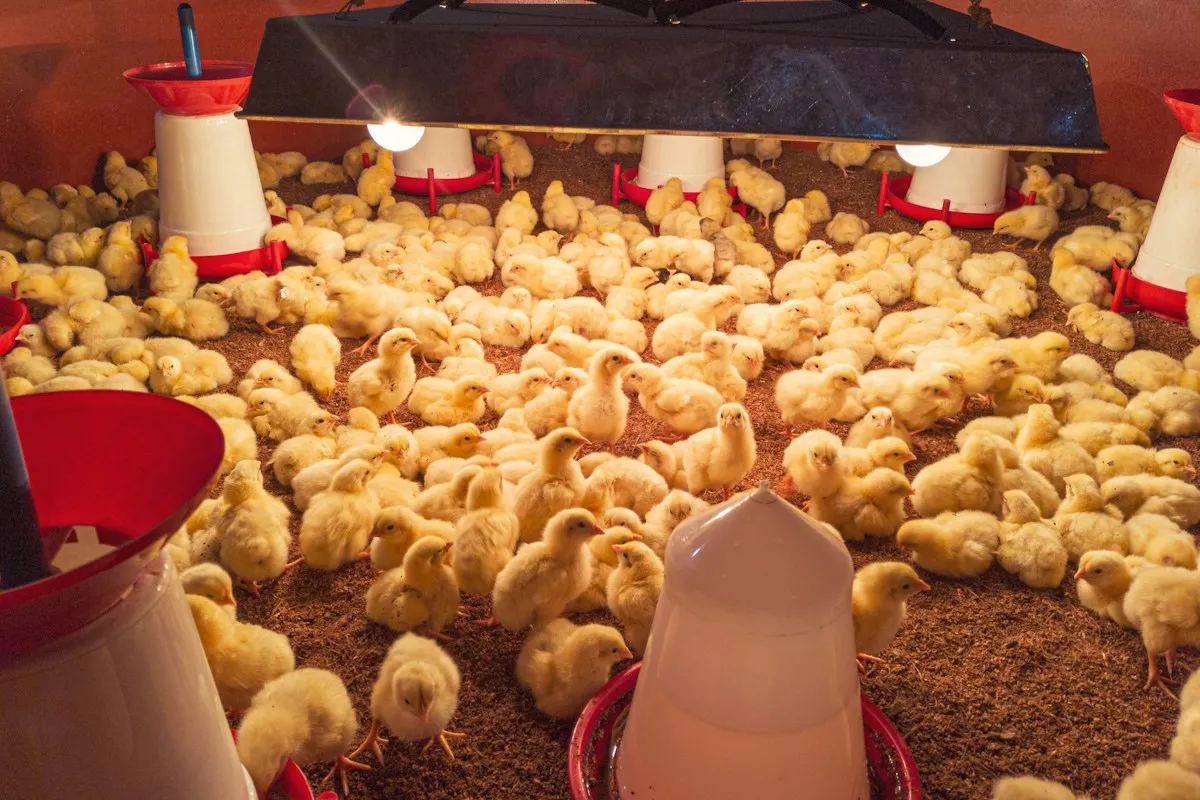
Chicks cannot control their own body temperature well in the first weeks, so winter brooding needs extra care.
- Preheat the brooder for at least 12 to 24 hours before chicks arrive
- Start at about 33 to 35 degrees Celsius (91 to 95°F) at chick level in the first week
- Reduce by about 3 degrees Celsius (about 5°F) each week until you reach about 21 to 24 degrees Celsius (70 to 75°F), or until birds are well feathered
- Watch the chicks, not just the thermometer:
- Chicks crowded under the heater and chirping loudly: too cold
- Chicks spread far away at the edges, panting: too hot
- Chicks spread evenly, eating, drinking and resting: just right
- Use a chick guard (a ring of cardboard or sheet) to keep chicks near the heat source and away from draughts
Read our guide on why chicks die in the first week for more brooding tips.
Winter brooding temperature by week
| Chick age | Temperature at chick level |
|---|---|
| Week 1 | 33 to 35 degrees Celsius (91 to 95°F) |
| Week 2 | 30 to 32 degrees Celsius (86 to 90°F) |
| Week 3 | 27 to 29 degrees Celsius (81 to 84°F) |
| Week 4 | 24 to 26 degrees Celsius (75 to 79°F) |
| Week 5 onwards | 21 to 24 degrees Celsius (70 to 75°F), or until well feathered |
Light for laying hens
Shorter winter days reduce egg production. Laying hens need about 16 hours of light a day. Add light in the early morning or evening with bulbs to make up the total. Keep the timing fixed every day, and never reduce the light hours suddenly for laying birds. Read why hens stop laying eggs.
Feed and water
- Birds eat more in cold weather to keep warm. Make sure feeders are never empty and add extra feeders if needed.
- Increase energy a little. Your feed supplier or vet can adjust the ration, for example by slightly raising maize or adding a little oil, while keeping protein, calcium and minerals balanced.
- Store feed in a dry place. Damp feed in winter grows mould, which causes poisoning and poor growth.
- Offer fresh, lukewarm water. Birds drink less when water is very cold. In the morning, add a little warm water to bring it to room temperature.
- When giving vaccines or medicines in water, remove water for a short time beforehand and give a smaller volume so every bird drinks its full dose, as your vet advises.
Common winter diseases
- Respiratory disease (CRD, coryza): sneezing, nasal discharge, swollen face and rattling breathing, made worse by ammonia and poor ventilation
- Ranikhet disease (Newcastle disease): keep vaccination up to date. Read our Ranikhet guide and poultry vaccination schedule.
- Coccidiosis: linked to wet litter
- Aspergillosis (brooder pneumonia): from mouldy litter or feed, especially in chicks
- Rats and other pests move into warm sheds in winter and spread disease; control them
Isolate sick birds and call your vet. Do not use antibiotics without veterinary advice.
Backyard and desi birds
- Close the coop at night and open it after sunrise
- Give a raised perch and dry bedding; keep the coop dry
- Keep birds out of the rain and fog
- Offer extra grain in the evening for warmth through the night
Winter checklist
- Curtains fitted, with ventilation at the top
- Litter about 6 inches deep and dry
- Brooder preheated and thermometer at chick level
- 16 hours of light for layers
- Extra feeders, dry feed storage, lukewarm water
- Vaccinations checked before winter
- Heaters and bulbs safely away from curtains and litter
Our free layer farm record and profit tracker helps you see if egg numbers are dropping.
🩺 Dr. Vaishnavi’s Clinical Picks (Available on Amazon India)
Equipment I suggest for backyard and small poultry farms.
Keeps litter dry and cuts feed wastage
As an Amazon Associate, I earn from qualifying purchases. This costs you nothing extra.
Frequently asked questions
How do I keep chickens warm in winter?
Hang curtains on open sides to stop cold wind, keep ventilation near the roof, deepen dry litter to about 6 inches, provide heaters for chicks, and give enough feed and lukewarm water.
What temperature do chicks need in winter?
About 33 to 35 degrees Celsius (91 to 95°F) at chick level in the first week, reducing by about 3 degrees (about 5°F) each week. Watch the chicks' behaviour to check that the temperature is right.
Why do hens lay fewer eggs in winter?
Shorter days are the main reason. Laying hens need about 16 hours of light daily, so add bulb light in the morning or evening. Cold stress and poor feed also reduce laying.
Can I close the poultry shed completely in winter?
No. Keep side curtains closed at night, but leave an opening near the roof for ventilation. A fully closed shed traps ammonia and moisture and causes respiratory disease.
Should I give warm water to chickens in winter?
Lukewarm water at about room temperature helps birds drink enough. Very cold water reduces drinking and feed intake.
When should you call a vet?
Call your vet if birds are sneezing or have swollen faces, show a sudden drop in eggs, have bloody droppings, chicks are dying, or many birds are sick at once.
Recommended reading
- Dr. Vaishnavi’s animal-care books are available on her Amazon author page.
- See all titles on the Books page.
Related Articles
- How To Start a Poultry Farm in India: Beginner’s Guide
- Ranikhet Disease in Chickens: Symptoms and Emergency Control
- Vanaraja vs Gramapriya vs Kadaknath: Which Breed Is Most Profitable?
- Chick Brooding Temperature: Day-Old Chick Care in the First 2 Weeks
References
- ICAR-Directorate of Poultry Research, Hyderabad. Rural poultry varieties and package of practices.
- Merck Veterinary Manual. Newcastle Disease in Poultry.
- FAO. Small-scale poultry production. FAO Animal Production and Health Manual No. 1. Rome; 2004.
More on Poultry
CRD in Chickens: Winter Breathing Sounds, Treatment, and Curtains
Hearing ghur-ghur sounds in your flock? Learn poultry respiratory disease CRD and sound problem treatment in winter, ammonia control & antibiotic protocols.

Bird Flu (Avian Influenza) in Chickens: Signs and Prevention
Learn the signs of bird flu in chickens and ducks, what to do if birds start dying suddenly and simple biosecurity steps…