 Written and reviewed by Dr. Vaishnavi Karmawat, B.V.Sc. & A.H., Registered Veterinary Practitioner

Bird flu, or avian influenza, is one of the most feared poultry diseases in India. Outbreaks usually appear between November and March, when migratory water birds arrive and spread the virus to ducks and chickens. In December 2025, for example, outbreaks on duck and poultry farms in Kerala killed more than 50,000 birds, and thousands more were culled. A single outbreak can wipe out a farm and stop poultry trade across a whole area. The good news is that strict biosecurity greatly reduces the risk, and quick reporting protects your neighbours' flocks too.
In this article
Key Takeaways
- Bird flu (avian influenza, mainly H5N1 in India) can kill most of a flock within days.
- Outbreaks usually occur between November and March, when migratory water birds arrive.
- Sudden deaths, swollen blue combs and wattles, and a sharp drop in eggs are warning signs.
- Bird flu is notifiable: report unusual deaths to your vet hospital at once and do not move birds.
- Strict biosecurity and keeping poultry away from wild birds and ducks are the best protection; well-cooked chicken and eggs are safe to eat.
What is bird flu?
Bird flu is caused by influenza A viruses. The type that causes the most serious outbreaks in India is H5N1, a highly pathogenic strain that can kill most of a flock within days.
It can affect:
- Chickens, ducks, turkeys, quail and other farmed birds
- Wild birds, especially ducks, geese and other water birds, and also crows
- Occasionally mammals, including cats that eat infected birds, and very rarely people
How bird flu spreads
- Wild and migratory birds, especially water birds, which may carry the virus without looking sick
- Droppings, saliva and nasal discharge of infected birds
- Contaminated feed, water, egg trays, crates, cages and vehicles
- People's shoes, clothes and hands moving between farms and markets
- Live bird markets and the movement of birds from unknown sources
- Ponds and open water shared by ducks and wild birds
Signs of bird flu
| What you may see | Details |
|---|---|
| Sudden deaths | Many birds die within a day or two, sometimes without earlier signs |
| Head and comb changes | Swollen head, eyes and wattles; comb and wattles turn blue or purple |
| Egg drop | Sudden fall in egg production; soft-shelled or misshapen eggs |
| Breathing problems | Gasping, coughing, sneezing, nasal discharge |
| Other signs | Very dull birds, ruffled feathers, not eating or drinking, green diarrhoea, red spots on the legs |
| Ducks | Twisted neck, loss of balance, swimming in circles, sudden death |
If several birds die suddenly, do not sell, eat, move or throw away the dead birds. Keep the flock shut in, stop all movement in and out, and report immediately to your vet, the animal husbandry department or the 1962 helpline.
Bird flu is a notifiable disease, so the government must be informed. Other diseases, especially Ranikhet (Newcastle disease) and fowl cholera, can look very similar, so only a laboratory test can confirm bird flu. Read our Ranikhet disease guide.
What happens if bird flu is confirmed?
India follows a national action plan to stop bird flu spreading:
- Poultry in the infected zone around the outbreak (usually about 1 km) are humanely culled, and eggs, feed and droppings are destroyed
- A wider surveillance zone (usually about 10 km) is set up, where birds are tested and the movement and sale of poultry and eggs are restricted
- Farms and markets are cleaned and disinfected
- Compensation is paid to farmers for culled birds, destroyed eggs and feed at government rates. Keep your bird counts and purchase records ready
- Restocking is allowed only after the area is declared free by the authorities
Cooperating with officials is the fastest way to get compensation and to reopen poultry trade in your area.
Biosecurity checklist: keep bird flu out
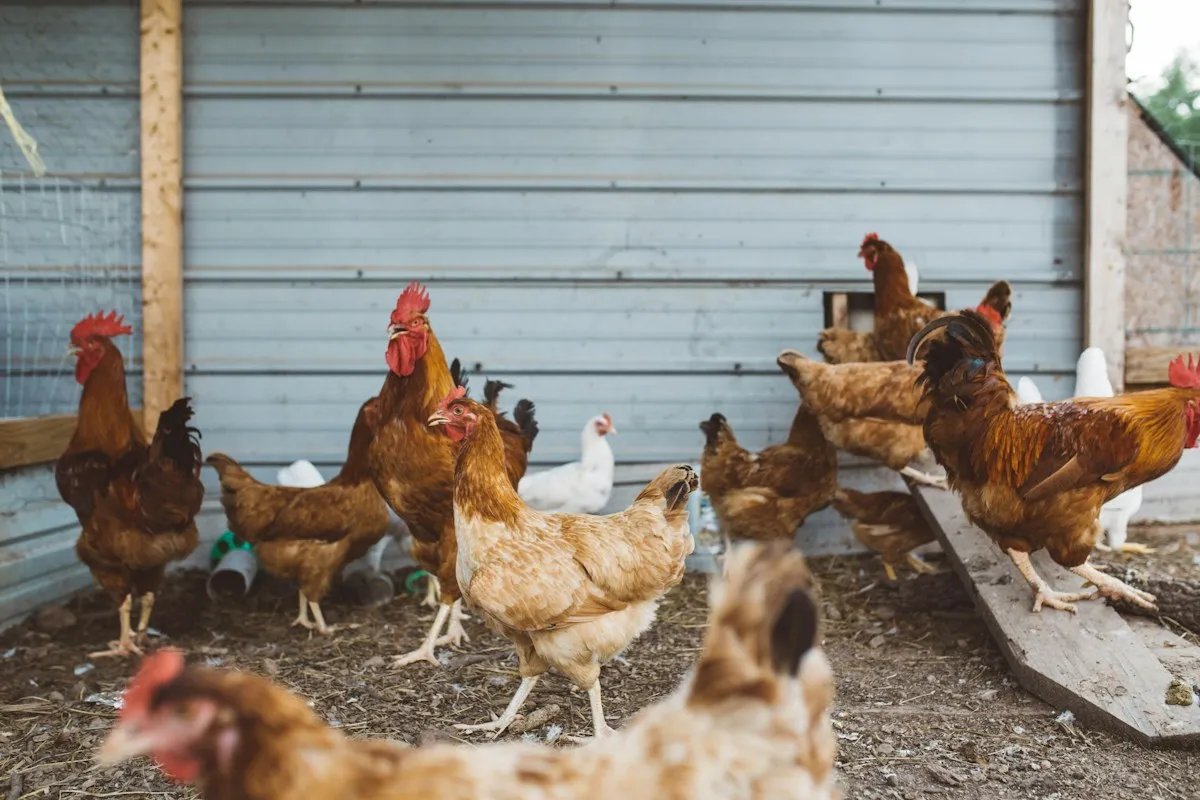
- Keep wild birds out. Use wire mesh or nets on sheds, and do not let feed attract crows, pigeons and sparrows
- Keep ducks and chickens separate, and keep ducks away from ponds used by wild water birds during winter
- Cover feed and water, and use clean well or tap water, not pond water
- Limit visitors. Keep a footbath with disinfectant at the shed door, and use separate boots and clothes for the poultry shed
- Wash hands before and after handling birds
- Clean and disinfect egg trays, crates and vehicles that come from other farms or markets
- Buy chicks only from trusted hatcheries, never from unknown sellers or live bird markets during an outbreak
- Keep new birds separate for at least 21 days before mixing them with your flock
- Follow all-in, all-out batches on commercial farms, with cleaning and a rest period between batches
- Remove dead birds daily and dispose of them safely by deep burial with lime, away from water sources
For more on running a safe farm, see how to start a poultry farm and our winter care guide for poultry.
Backyard and free-range flocks
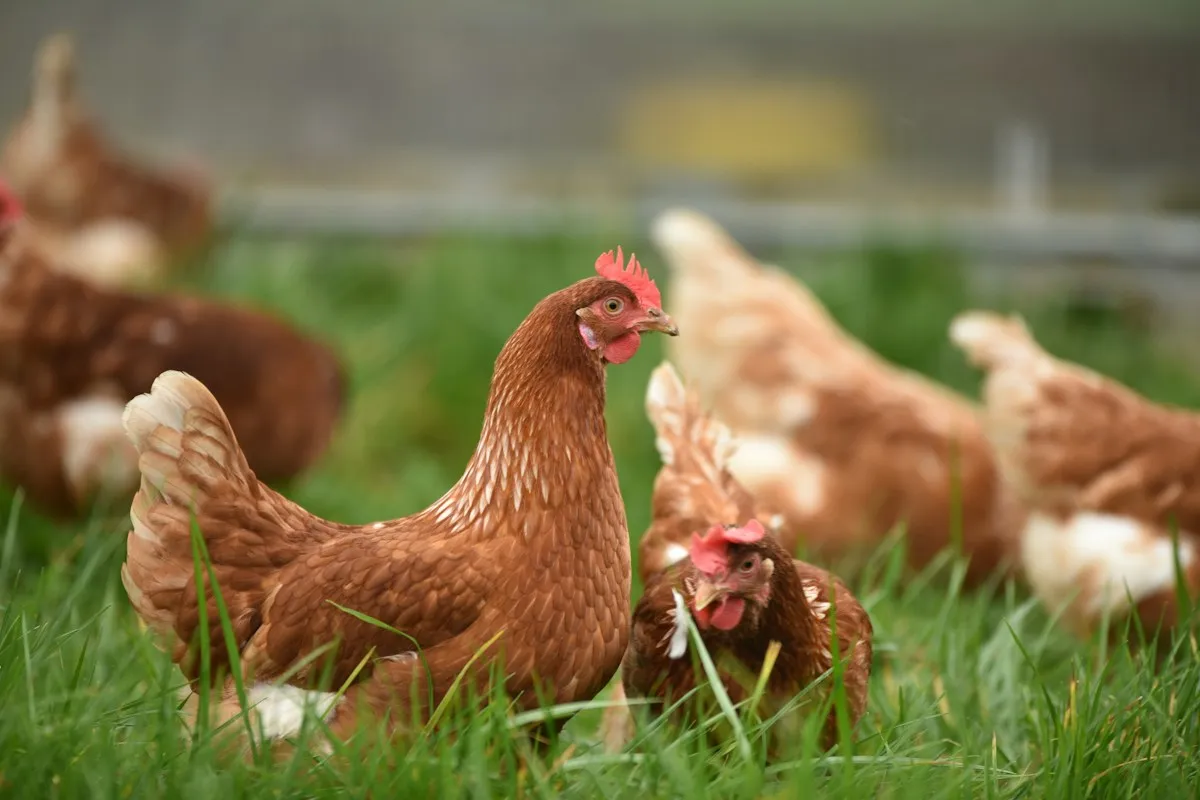
Backyard birds mix more easily with wild birds, so they are at higher risk during winter.
- Bring birds into a closed coop at night and, during an outbreak in your area, keep them confined during the day as well
- Feed and water them inside the coop
- Do not let backyard ducks share ponds with wild ducks
- Report any sudden deaths straight away; small flocks also receive compensation if culled
If you are choosing birds for a backyard flock, read our guide to the best backyard chicken breeds in India.
Is it safe to eat chicken and eggs?
Yes, when they are properly cooked. Heat kills the bird flu virus.
- Cook chicken until the meat is no longer pink and juices run clear, reaching at least 158°F (70°C) throughout
- Cook eggs until both the white and yolk are firm. Avoid raw or runny eggs during an outbreak
- Keep raw chicken separate from cooked food, and wash hands, knives and boards after handling raw poultry
- Never buy or eat birds that were sick or died of disease
Protecting your family and pets
- Human infection is rare and almost always follows close contact with sick or dead birds
- Use gloves and a mask when handling sick or dead birds, and wash hands well afterwards
- Do not let children touch dead wild birds or crows
- See a doctor and mention the bird contact if you develop fever, cough or breathing difficulty after handling sick birds
- Keep cats and dogs away from dead birds and do not feed them raw poultry in outbreak areas, as H5N1 can infect cats
Common myths
| Myth | Fact |
|---|---|
| "Cooked chicken and eggs spread bird flu." | Properly cooked chicken and eggs are safe to eat. |
| "Sell the flock quickly when birds start dying." | Selling sick birds spreads the disease and is against the law during an outbreak. Report instead. |
| "Only big commercial farms get bird flu." | Backyard birds and ducks are often the first to be infected. |
| "Antibiotics or home remedies can cure bird flu." | There is no cure. Prevention through biosecurity and early reporting is the only protection. |
🩺 Dr. Vaishnavi’s Clinical Picks (Available on Amazon India)
Protect yourself and disinfect sheds. Report suspected bird flu to the vet department.
Protect yourself when handling sick or dead birds
Low-cost disinfectant for floors, drains and foot baths
For spraying disinfectant in sheds
As an Amazon Associate, I earn from qualifying purchases. This costs you nothing extra.
Frequently asked questions
Can I treat birds with bird flu?
No. There is no treatment for bird flu in poultry, and the government controls it by culling in the infected zone and strict biosecurity. Report suspected cases immediately.
Will I get compensation if my birds are culled?
Yes. Under the national action plan, farmers are paid compensation at government rates for birds culled and eggs and feed destroyed. Keep records of bird numbers and purchases.
Is it safe to keep poultry near my house during an outbreak?
Keep birds confined, follow strict hygiene, and stop all movement of birds and eggs. Follow instructions from your local animal husbandry department.
How long does the virus survive on a farm?
The virus can survive for weeks in cool, moist droppings and water, which is why thorough cleaning and disinfection are needed before restocking.
How is bird flu different from Ranikhet disease?
Both can cause sudden deaths and breathing problems, but Ranikhet can be prevented with regular vaccination. Only a laboratory test can tell them apart, so always report sudden deaths. See our poultry vaccination schedule.
When to call the vet
Report immediately to your vet, the animal husbandry department or the 1962 helpline if several birds die suddenly, if combs and wattles turn blue or swollen, if egg production drops sharply, or if ducks show twisted necks and loss of balance. Also report dead crows or wild water birds found in numbers near your farm. Early reporting saves your neighbours' flocks and speeds up compensation.
Recommended reading
- Dr. Vaishnavi’s animal-care books are available on her Amazon author page.
- See all titles on the Books page.
Related Articles
- Coccidiosis in Chickens: Bloody Droppings, Treatment, and Prevention
- Hens Eating Eggs and Feather Pecking: 7 Vet Fixes
- Heat Stroke in Broiler Chickens: How To Prevent Summer Deaths
- Ranikhet Disease in Chickens: Symptoms and Emergency Control
References
- World Organisation for Animal Health (WOAH). Avian influenza: technical disease card.
- Department of Animal Husbandry and Dairying, Government of India. Action Plan for Prevention, Control and Containment of Avian Influenza (Revised 2021).
- Merck Veterinary Manual. Avian Influenza.
More on Poultry
CRD in Chickens: Winter Breathing Sounds, Treatment, and Curtains
Hearing ghur-ghur sounds in your flock? Learn poultry respiratory disease CRD and sound problem treatment in winter, ammonia control & antibiotic protocols.
Winter Care for Chickens in India: Housing, Light, and Feed
Keep backyard and farm chickens warm and laying through Indian winters. Learn vet tips on housing, lighting hours, feed and water to…