 Written and reviewed by Dr. Vaishnavi Karmawat, B.V.Sc. & A.H., Registered Veterinary Practitioner
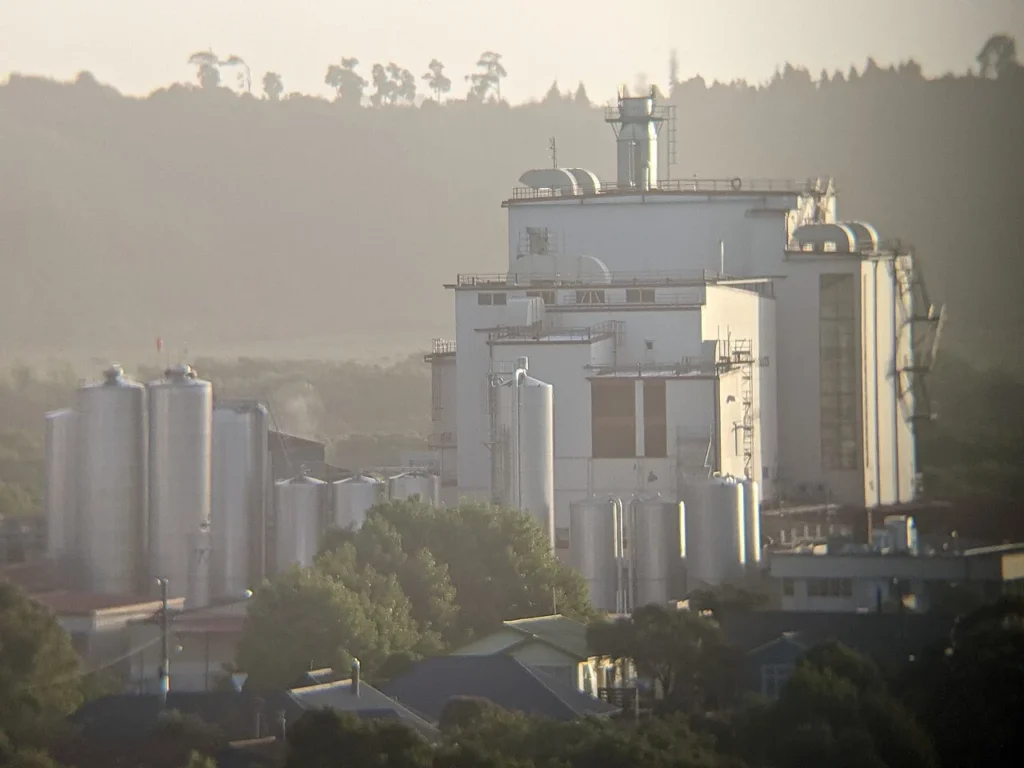
If you want to set up a milk processing unit, a cattle feed plant or a TMR block unit, the National Livestock Mission’s capped subsidies are often too small. The Animal Husbandry Infrastructure Development Fund (AHIDF) is built for bigger projects. Instead of a one-time subsidy, it lowers the cost of a large bank loan through interest subvention and a credit guarantee, with no upper limit on project size.
In this article
- AHIDF at a glance
- Scheme status and recent changes
- What projects are eligible
- Who can apply
- AHIDF vs NLM: which scheme should you choose?
- Example: savings on a ₹5 crore dairy plant
- How to apply
- Veterinary inputs that strengthen your project
- What a bank-ready project report contains
- Frequently asked questions
- Related Articles
- References
Key Takeaways
- AHIDF is not a capital subsidy: it gives 3% interest subvention for 8 years (including a 2-year moratorium) on bank loans of up to 90% of project cost.
- MSMEs and dairy cooperatives can also get a credit guarantee covering up to 25% of the loan.
- It suits larger projects: dairy and meat processing, cattle feed and TMR plants, breed multiplication farms, waste-to-wealth units and veterinary vaccine or drug plants.
- In February 2024 the scheme was extended to 2025-26 with an outlay of ₹29,610 crore; confirm whether new applications are open in the current year before you invest.
- A strong raw-material plan, animal health support for supplying farmers, and feed and milk quality testing make a project bankable.
AHIDF at a glance
| Feature | Details |
|---|---|
| Interest subvention | 3% interest subvention for 8 years on the bank loan |
| Loan amount | Up to 90% term loan financing of the project cost (beneficiary margin 10% for MSMEs; 25% for larger companies may apply) |
| Credit guarantee | 25% Credit Guarantee Fund via NABSanrakshan, for MSMEs, covering part of the loan |
| Moratorium | 2-year moratorium on principal, total repayment period up to 8 to 10 years |
| Project size | No upper project cap |
| Portal | ahidf.udyamimitra.in |
Scheme status and recent changes
In February 2024 the Union Cabinet approved continuation of AHIDF under the wider Infrastructure Development Fund, with an outlay of ₹29,610.25 crore up to 2025-26. The extension also:
- brought dairy cooperatives into the scheme for modernising and strengthening their plants;
- added technologically assisted breed multiplication farms, animal waste-to-wealth projects, and veterinary vaccine and drug production units to the eligible list;
- kept the ₹750 crore Credit Guarantee Fund for MSMEs and dairy cooperatives.
By the time of the extension, the government reported that AHIDF had helped add about 141 lakh litres a day of milk processing capacity, 79 lakh tonnes of feed capacity and 9 lakh tonnes of meat processing capacity. Because the approved period ran to 2025-26, check on the official portal or with your bank whether sanctions are continuing in 2026-27 before committing money.
What projects are eligible
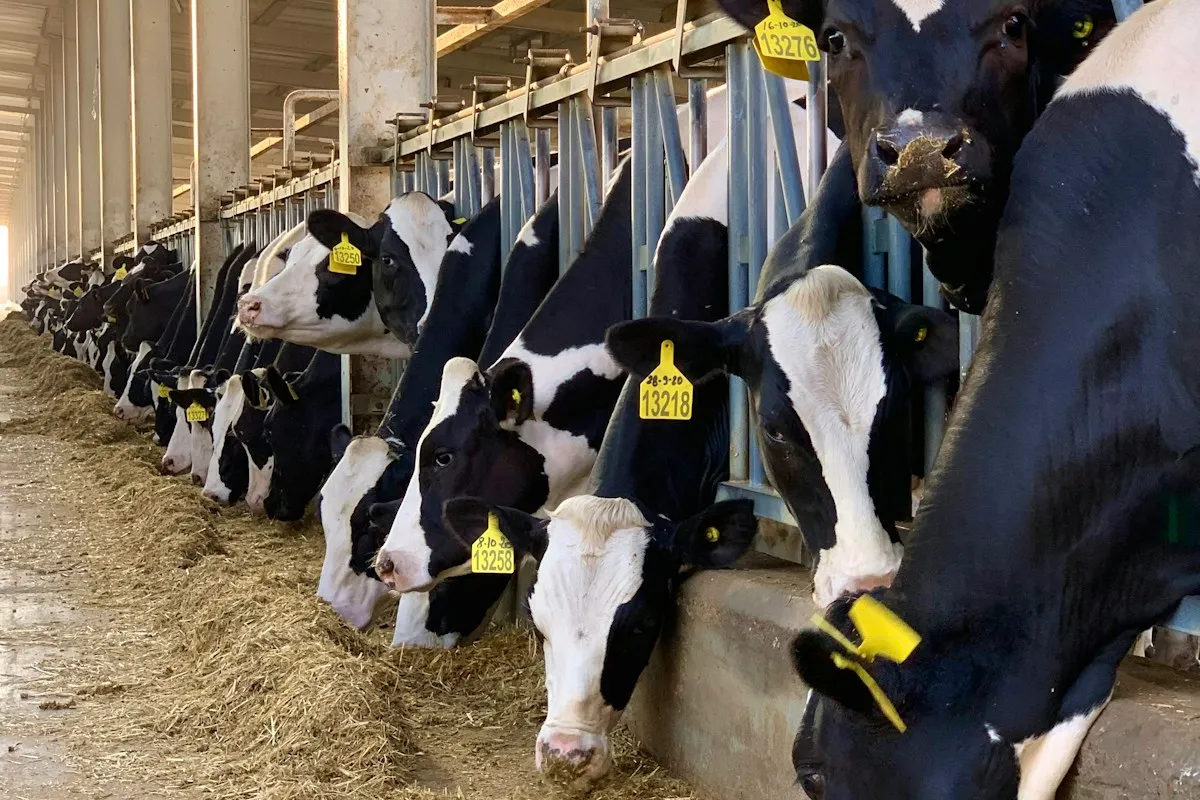
Milk processing and value addition
- Milk processing plants and chilling centres, bulk milk coolers
- Products such as paneer, ghee, curd, mozzarella and other cheese, UHT milk, ice cream, milk powder
Animal feed
- Balanced cattle feed plants
- Total Mixed Ration (TMR) block unit
- Bypass protein and mineral mixture plant
- Silage making and fodder processing units
Meat processing and breed improvement
- Meat processing and value addition units
- Breed improvement technology and breed multiplication farms
- Animal waste to wealth (biogas, compost) projects linked to livestock
Who can apply
- Individual entrepreneurs
- MSMEs
- Farmer Producer Organisations (FPOs)
- Private companies and Section 8 companies
- Dairy cooperatives (under certain conditions)
MSME / FPO / Private Company eligibility applies across these groups, but the margin money and credit guarantee rules differ by size.
AHIDF vs NLM: which scheme should you choose?
| AHIDF | NLM Entrepreneurship | |
|---|---|---|
| Type of support | 3% interest subvention plus 25% credit guarantee | 50% capital subsidy (one-time) |
| Project size | No upper cap; suits ₹1 crore to ₹100 crore+ projects | Capped (for example up to ₹50 lakh subsidy for goat or fodder units) |
| Best for | Dairy processing, cattle feed plants, large TMR or silage units, meat plants | Goat, sheep, pig, poultry breeding farms and smaller fodder units |
| Loan needed | Yes, up to 90% | Yes, or bank-certified self-financing |
| Who benefits most | Medium-to-large investors, FPOs and processors | Small and medium rural entrepreneurs |
As a rule of thumb, if your project is above about ₹1 to ₹2 crore or involves processing, AHIDF usually gives more total benefit. Smaller breeding farms are better served by NLM.
Example: savings on a ₹5 crore dairy plant
A ₹5 crore milk processing plant financed with a ₹4.5 crore loan at 9% interest:
- Without AHIDF: about ₹40.5 lakh interest in the first year.
- With AHIDF 3% subvention: effective 6%, about ₹27 lakh interest in the first year.
- Saving: about ₹13.5 lakh in year 1, and significant savings over 8 years as the loan reduces.
How to apply
- Prepare a detailed project report with market study, technical details, machinery quotations, and financials.
- Register and apply on ahidf.udyamimitra.in.
- The application is screened and forwarded to the lending bank you choose (scheduled banks, NABARD, NCDC and others).
- The bank appraises and sanctions the loan.
- Interest subvention is credited to the loan account periodically through the government.
Veterinary inputs that strengthen your project
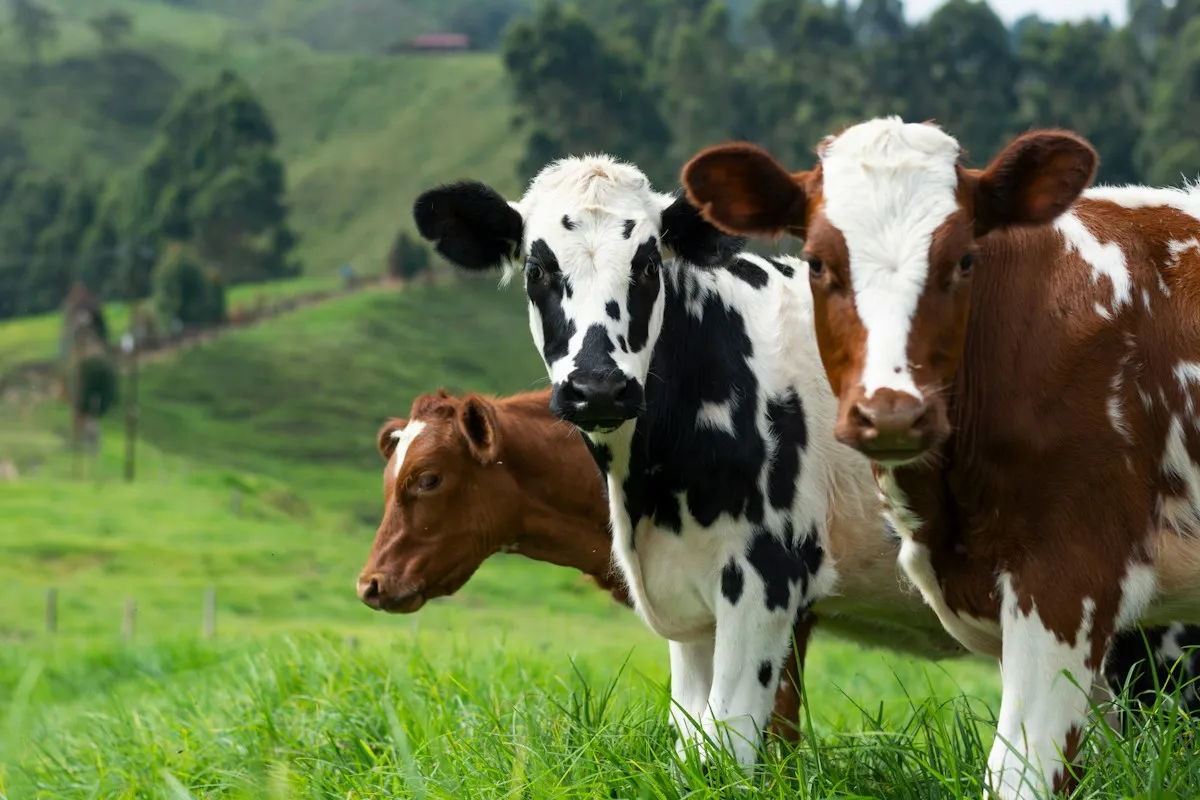
Banks and appraisers look for a strong raw material plan: a milk procurement network, animal health and breeding support for supplying farmers, and quality control for feed (aflatoxin testing, mineral balance). A veterinarian’s technical note on these points improves credibility.
What a bank-ready project report contains
- Market study: who will buy your milk products, feed or meat; current prices; competition within your supply area.
- Raw material plan: milk procurement routes and village collection centres, or grain, oil cake and mineral sources for a feed plant, with seasonal variation.
- Technical design: plant capacity, machinery with quotations, layout, power and water needs, and effluent treatment.
- Licences: FSSAI for food products, pollution control consent, BIS certification where relevant, and factory and fire approvals.
- Financials: project cost, margin money, loan schedule, cash flow for at least the repayment period, break-even point and sensitivity to lower prices.
- Management: experience of promoters, staffing plan, and technical advisers, including a veterinarian or dairy technologist.
Quality controls a vet would build in
| Project type | Key quality and health controls |
|---|---|
| Milk processing or chilling | Platform tests on every can (fat, SNF, adulterants, antibiotic residues); mastitis control and clean-milking training in supplying villages; vaccination and deworming camps to keep supply stable |
| Cattle feed or TMR plant | Aflatoxin testing of maize, oil cakes and finished feed against BIS limits; moisture control in storage; correct mineral mixture and salt levels; batch records |
| Breed multiplication farm | Disease-free status testing for brucellosis and tuberculosis, quarantine of new stock, breeding records linked to Pashu Aadhaar |
| Meat processing | Ante-mortem and post-mortem inspection by veterinarians, cold chain, residue monitoring, waste rendering |
These controls protect your brand and your loan: a single batch of contaminated feed or milk rejected for residues can cost more than a year’s interest subvention.
🩺 Dr. Vaishnavi’s Clinical Picks (Available on Amazon India)
Helpful resources and equipment while you plan and set up your farm.
Hygienic milk storage and transport
Practical guide for planning and running a dairy farm
As an Amazon Associate, I earn from qualifying purchases. This costs you nothing extra.
Dr. Vaishnavi’s advice: When entrepreneurs ask me about AHIDF projects, I always point them to the raw material first. A milk or feed plant is only as good as the animals and farmers supplying it. Build animal health, breeding support and quality testing into your plan from day one; it strengthens both your business and your bank file.
Frequently asked questions
Is AHIDF a subsidy or a loan?
It is a loan scheme with 3% interest subvention and a credit guarantee, not a direct capital subsidy.
What is the maximum loan under AHIDF?
There is no upper cap on the project; banks fund up to 90% of the project cost depending on the applicant category.
Can a farmer apply for AHIDF?
Individual entrepreneurs, FPOs and MSMEs can apply. Small farmers are usually better served by KCC and NLM.
Can I combine AHIDF with state subsidies?
In many cases yes, subject to state rules. Check with your bank and the state animal husbandry department.
Planning a dairy or feed plant? Contact Dr. Vaishnavi Karmawat for technical and veterinary inputs in your project report.
Related Articles
- Kisan Credit Card for Dairy and Animal Husbandry: Limit and Interest
- Is the NABARD Dairy Subsidy (DEDS) Still Available?
- Dairy Farm Loans and Subsidies in India: Gokul Mission and AHIDF
- Lumpy Skin Disease in Cattle: Symptoms, Treatment, and Recovery Feed
References
- Department of Animal Husbandry and Dairying, Government of India. Animal Husbandry Infrastructure Development Fund (AHIDF): operational guidelines.
- AHIDF online portal: ahidf.udyamimitra.in.
More on Government Schemes
NLM Poultry Farming Subsidy: ₹25 Lakh for a 1,000-Bird Parent Unit
Planning a hatchery? Check the NLM poultry farming subsidy 25 lakh eligibility and project report for a 1,000-bird parent farm & mother…

Is the NABARD Dairy Subsidy (DEDS) Still Available?
Many websites still advertise the NABARD dairy subsidy. Learn what DEDS was, its current status and which government schemes dairy farmers can…